
Still Life Flower Canvas
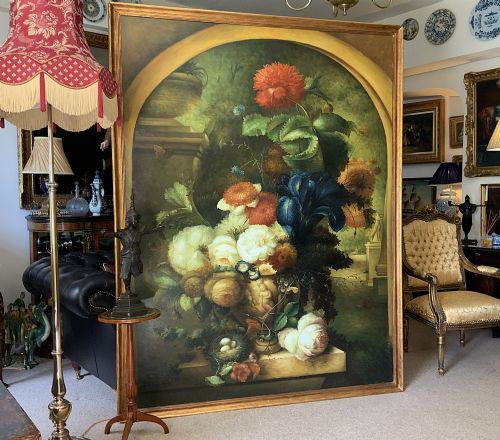
A still life flower canvas brings the vibrant permanence of a Dutch Golden Age arrangement or a mid-century botanical study directly into a room.
Still Life Flower Canvas
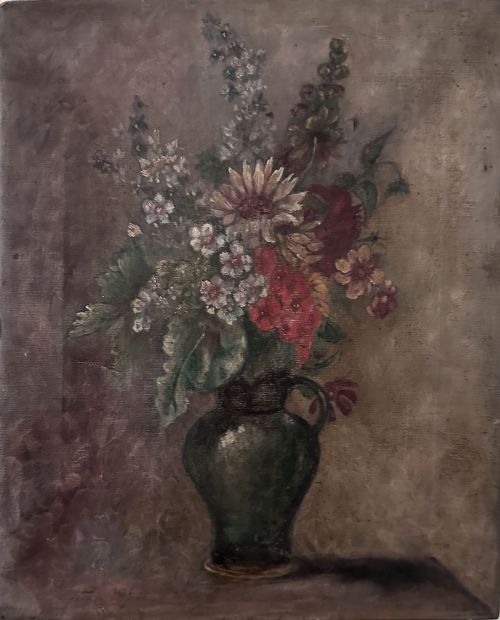
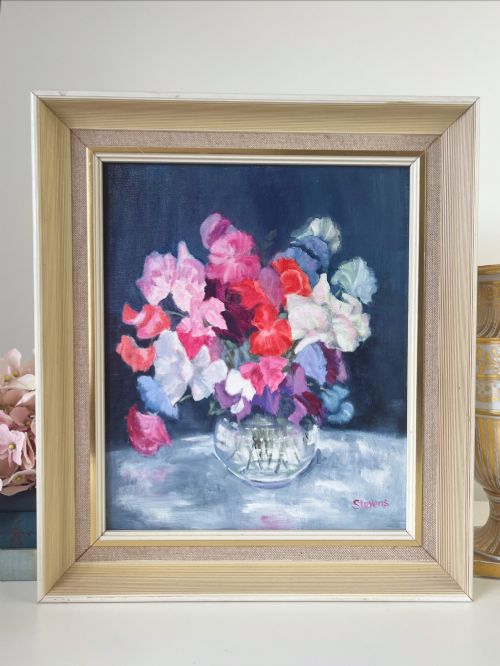
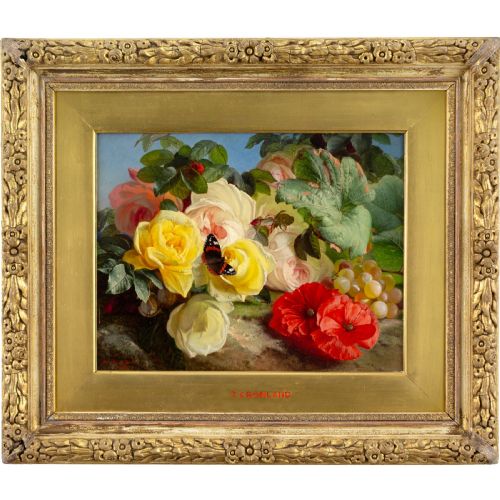
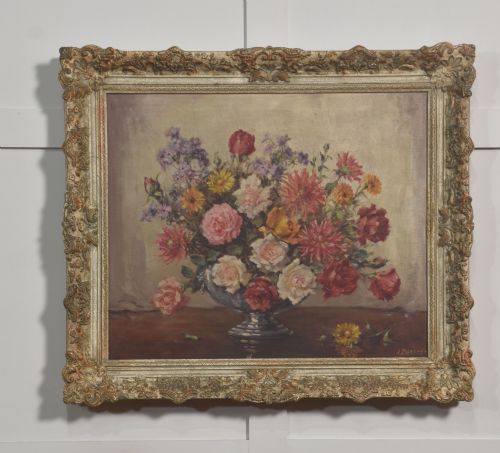
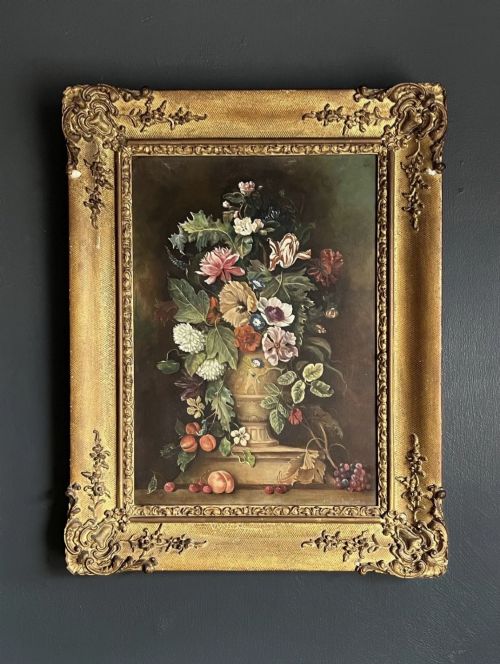
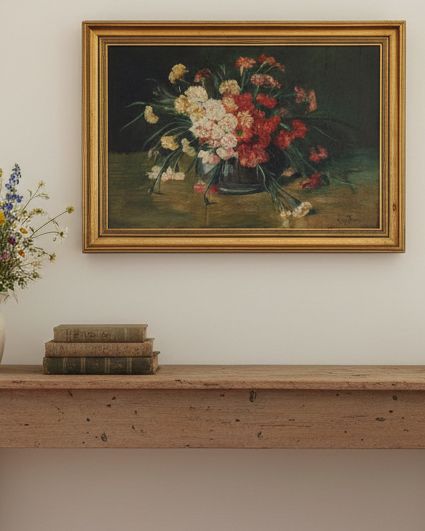
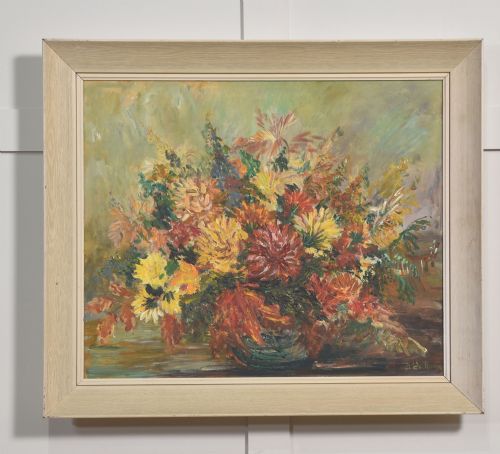
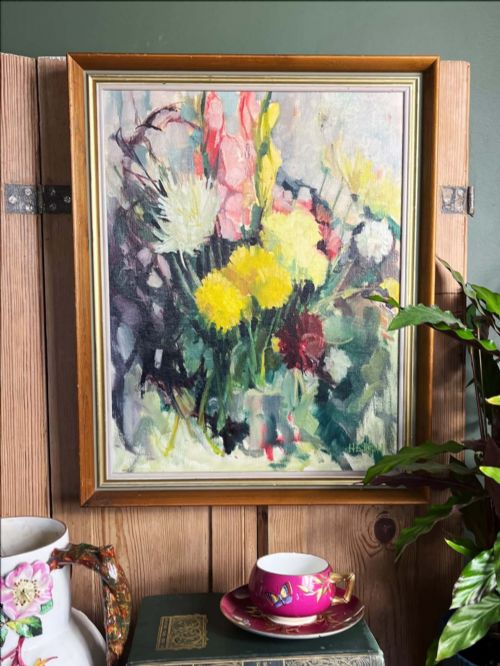
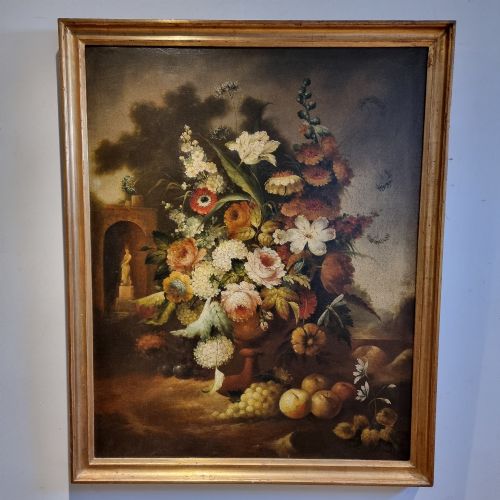
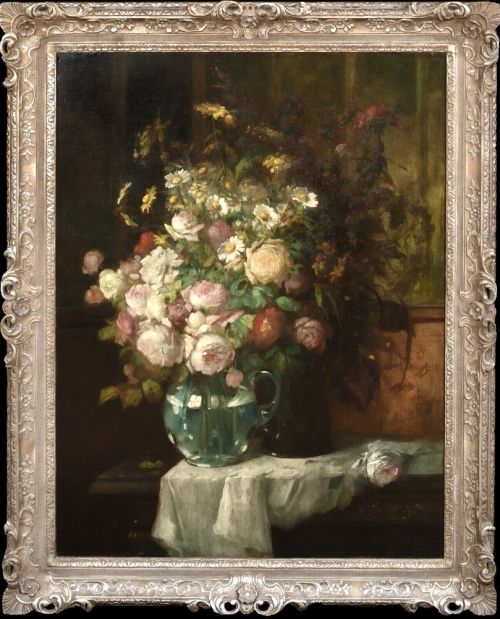
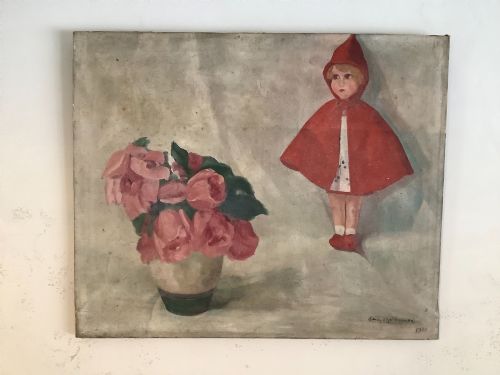
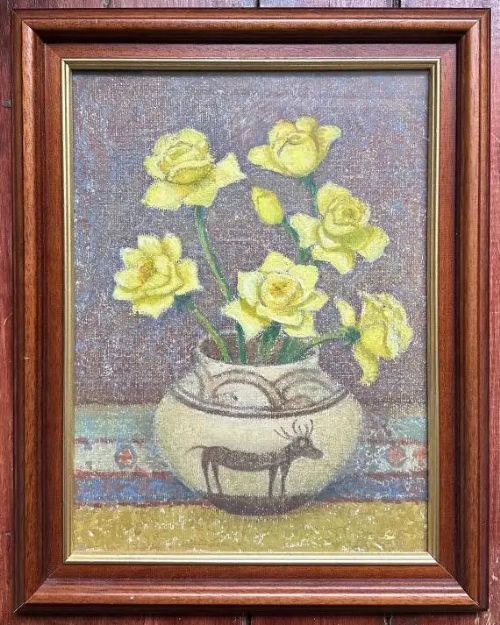
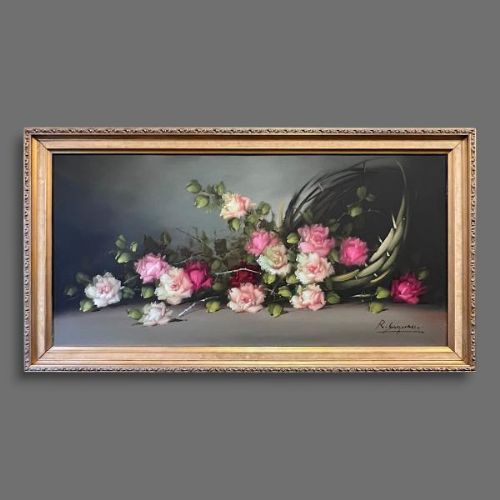
When searching for a still life flower canvas, a buyer encounters painted floral compositions spanning from seventeenth-century Dutch interpretations to mid-century impressionist and modernist expressions.
The selections available range from monumental seven-foot decorative statements down to intimate cabinet pieces, with oil paintings on canvas forming the primary category.
Origin points stretch across Britain, France, Belgium, Austria, and the Netherlands, offering both formal studio pieces and naive or regional interpretations.
What Varies in Quality
The distinction between ordinary decorative student work and a master canvas lies in the handling of light through petals and the structural balance of the vase or urn.
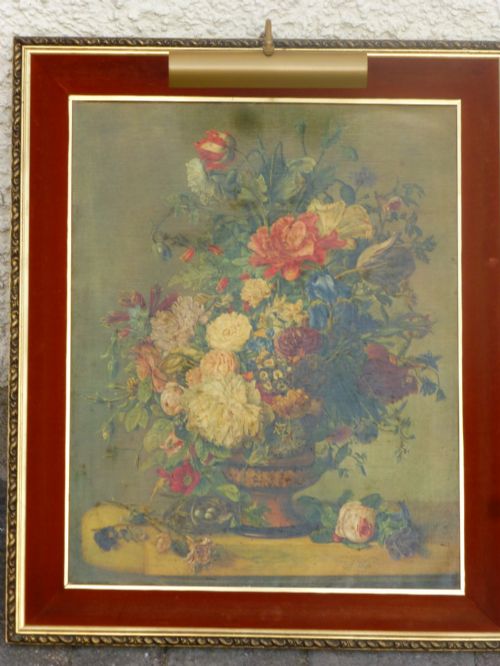
Execution depth separates mass-produced oleographs or later printed copies from genuine signed hand-painted original oils where pigment texture remains visible.
Listings feature canvases spanning from the seventeenth century through the mid-twentieth century, executed in oil paint on woven fabric and wood.
Theude Grönland·I. Berezny·D. L. Williams·Konstantin Stoitzner·Emma Fordyce MacRae·Gaspar Peeter Verbruggen·Harold Clayton·Edwin Steele·Manuela Bonati·Owen Bowen·Gertrude Hayes·Simon Pietersz Verelst·Amile Coppieters·A. Nikolokov·Edward Ladell·Calzolari·J.Milton·E.A. Cook·William Greaves·John Burns Robertson·Peter Colville Horridge Gardner·Thomas Sherlock Evans·S.L. Abbot
The Still Life Flower Canvas Glossary
- Canvas
- A heavy woven fabric stretched tightly across a wooden frame to serve as the foundation for oil paintings. It provides a stable surface that accepts multiple layers of pigment.
- Gilt Gesso
- A plaster-like material applied to wooden picture frames then covered in thin gold leaf. This technique creates ornate, reflective borders around traditional floral paintings.
- Oleograph
- A mechanical colour print made to imitate an oil painting on canvas. These reproductions often show a textured surface pattern pressed into the ink.
- Post-Impressionism
- An art style originating in the late nineteenth century that focuses on expressive brushwork and symbolic colour rather than strict optical realism.
- Impressionism
- A painting approach characterised by relatively small, thin yet visible brush strokes and an emphasis on accurate depiction of light.
Still Life Flower Canvas: Frequently Asked Questions
How do I date an old floral painting?
Dating relies on examining the canvas weave, the stretcher frame construction, and the stylistic traits of the brushwork. Nineteenth-century works often show tighter canvas preparation and heavier gilt frames.
Signatures, artist registry records, and framing styles also provide clear chronological markers. Comparing the floral arrangement style against historical periods helps narrow down the decade of creation.
What is a Dutch style flower painting?
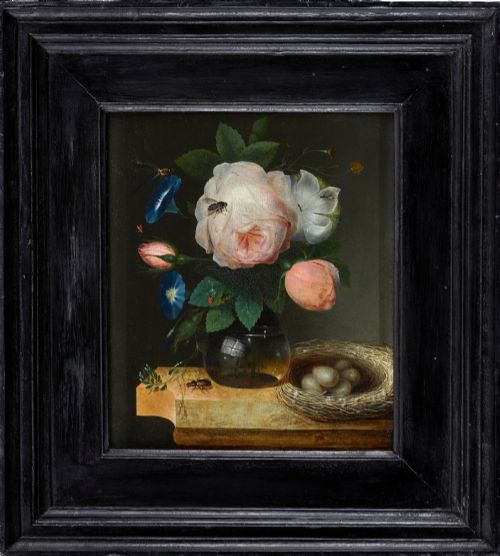
These compositions draw inspiration from seventeenth-century masters, featuring dense arrangements of tulips, roses, and summer blooms spilling from urns or glass vases. They frequently include insects or fallen petals to symbolise transience.
Later artists recreated this aesthetic to capture the rich dark backgrounds and dramatic lighting characteristic of the Dutch Golden Age tradition.
How should I hang an oil painting?
Secure hanging requires using appropriate wall fixings matched to the weight of the canvas and its heavy wooden or gesso frame. Professional picture wire attached firmly to the stretcher bars ensures stability.
Placement should avoid direct sunlight and high humidity areas like kitchens or unventilated bathrooms to protect the oil paint and canvas from warping.
Are oleographs the same as oil paintings?
Oleographs are printed reproductions designed to replicate the appearance and texture of genuine oil paintings on canvas. Close inspection reveals a mechanical dot pattern or pressed canvas texture rather than actual brush strokes.
While decorative, they lack the hand-applied pigment layers and unique impasto found in original antique artworks.