



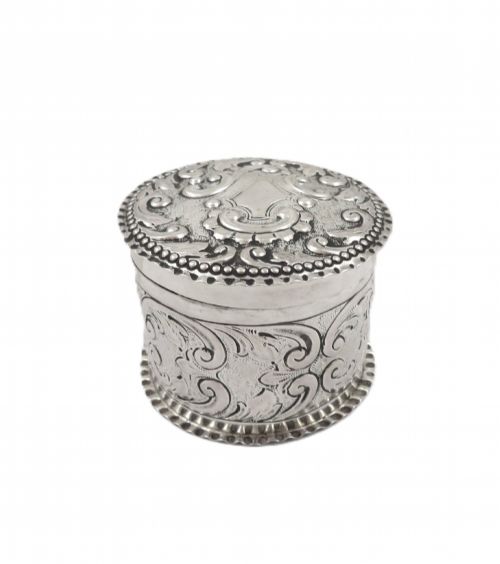


Sterling Vanity Pot
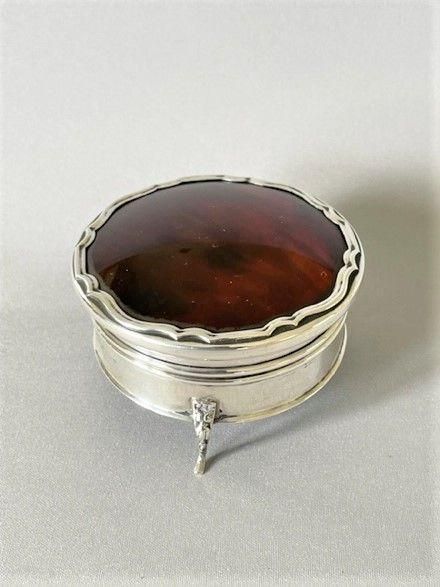
A sterling vanity pot sits on the dressing table to hold small treasures, powders and unguents behind a silver lid.
Sterling Vanity Pot
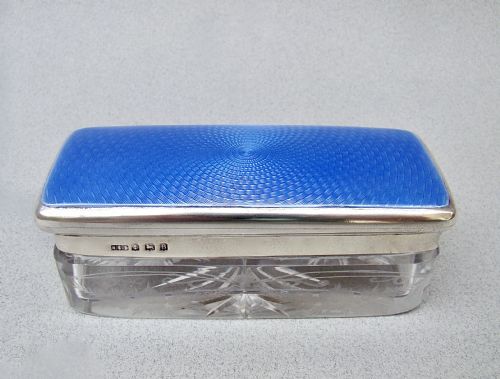
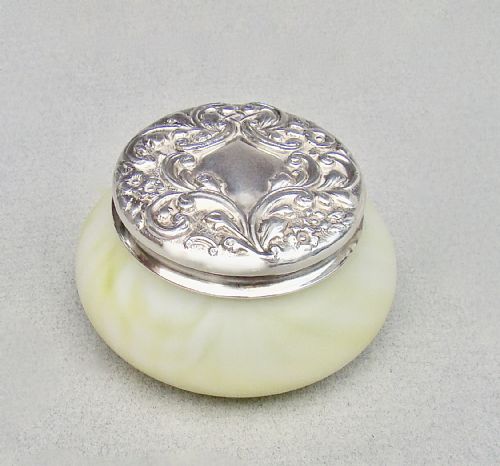
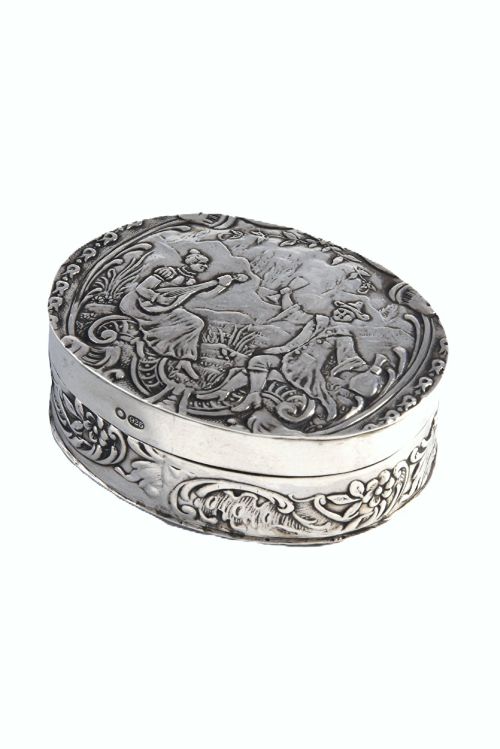
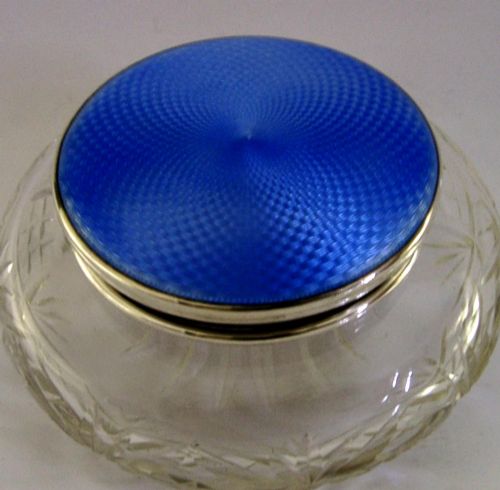
A sterling vanity pot combines a functional glass or crystal body with a precious silver lid, often found in forms such as dressing table jars, trinket boxes and small pill pots. These pieces emerge across several periods, with Edwardian and Art Deco examples appearing frequently alongside Victorian and Georgian pieces.
Makers housed these vessels on dressing tables to store cosmetics, pins and small personal items. The selection ranges from compact circular pill boxes to substantial cut crystal jars spanning several inches across.
How they were made
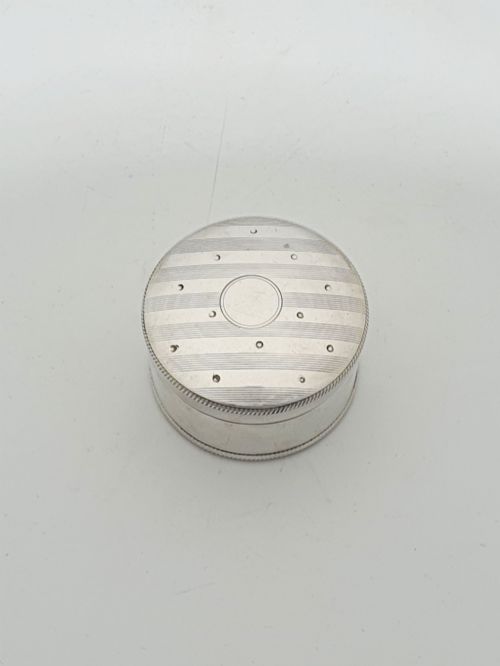
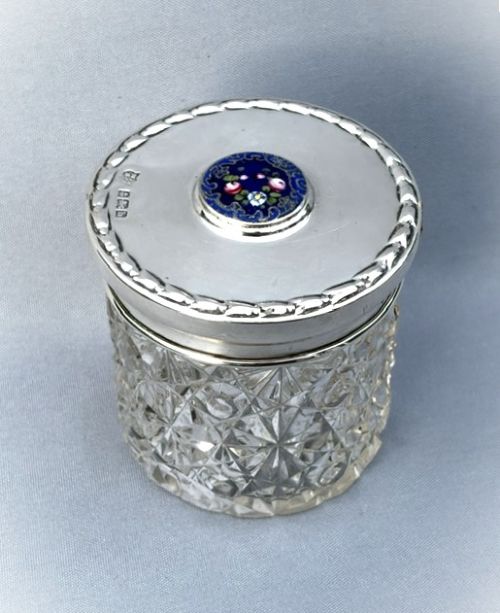
Silversmiths shaped the lids from sterling silver, frequently employing engine turning, hand-painting or guilloché enamel decoration onto the metal surface. Glass bodies were blown, cut or etched into crystal, satin glass, cranberry glass and amethyst glass forms.
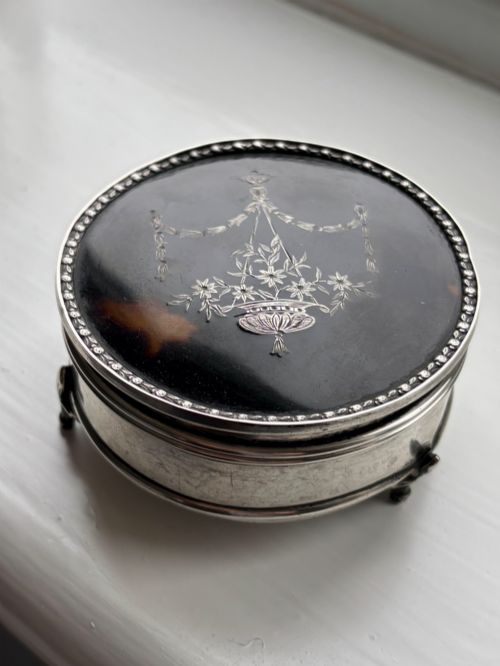
Workers secured the silver mounts directly to the glass or crystal containers, sometimes incorporating tortoiseshell, faux tortoiseshell or porcelain plaques inset into the lids.
Sterling Vanity Pot Retail Price Guide 2026
Typical asking prices for sterling vanity pot among the pieces listed under this phrase on Sellingantiques today, from the lower quarter to the upper quarter. They describe what is for sale here now, not the wider market.
Listings feature sterling silver combined with cut glass, enamel, tortoiseshell, and porcelain across the Edwardian, Art Deco, and Victorian periods.
What varies in quality
The weight and gauge of the sterling silver lid set the baseline for a piece, alongside the depth and crispness of any engine turning or hand-applied enamel. Thicker metal resists dents and maintains secure closures over time.
The clarity and weight of the glass body, whether heavy cut crystal or coloured glass, dictate the substance of the object. Finer examples display precise facets, intact enamel without loss, and tightly fitting silver mounts.
A. J. Pepper & Co·Ollivant & Botsford·Henry Clifford Davis·A. Bromet & Co·Jonathan Douglas·Asprey
The Sterling Vanity Pot Glossary
- Guilloche enamel
- A decorative technique where intricate geometric patterns are engraved beneath a translucent layer of coloured enamel. This method creates a reflective, shimmering surface on the silver lid.
- Engine turned
- A mechanical engraving process that cuts precise geometric lines into the silver surface. It provides texture and catches the light on dressing table accessories.
- Cut glass
- Glassware shaped and patterned by grinding abrasive wheels against the surface. It adds weight and sparkle to the body of a vanity jar.
- Trinket box
- A small lidded container used for holding jewellery and personal keepsakes. These boxes match the materials and styles of larger vanity jars.
Sterling Vanity Pot: Frequently Asked Questions
What fits inside a sterling vanity pot?
These jars hold small personal items like rings, pins, and cosmetics on a dressing table. Their enclosed spaces protect delicate contents from dust.
Smaller versions function well for pills and rouge, while larger cut crystal boxes accommodate larger trinkets.
How do I date an Edwardian vanity pot?
Hallmarks stamped on the sterling silver lid provide the exact assay office, city, and year of manufacture. Examining these tiny stamped symbols reveals when the metal was tested and marked.
Stylistic details like geometric Art Deco lines or softer Edwardian curves offer further clues to the period of origin.
How should I clean the enamel and tortoiseshell?
Enamel and tortoiseshell require gentle dusting with a soft dry cloth rather than harsh silver dips. Liquid cleaners can damage organic shell inserts and vulnerable enamel work.
Polishing should focus solely on the sterling silver sections while protecting the glass and decorative lid surfaces.