



Sterling Trinket Container
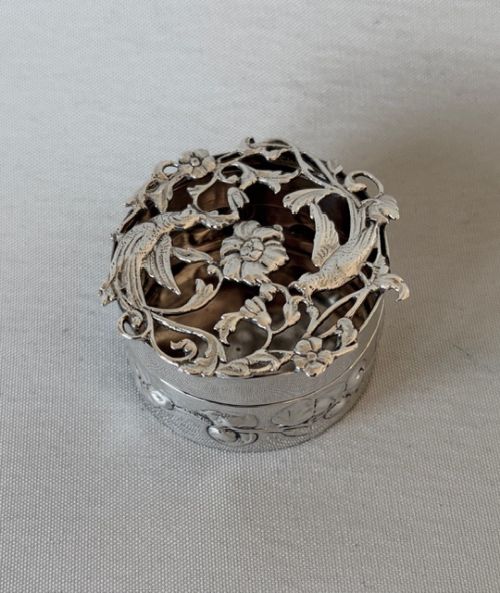
These sterling trinket container items are small precious boxes formed in silver to hold keepsakes, pills and vanity items on a dressing table.
Sterling Trinket Container
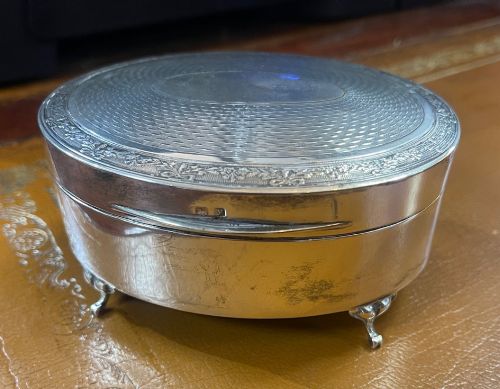
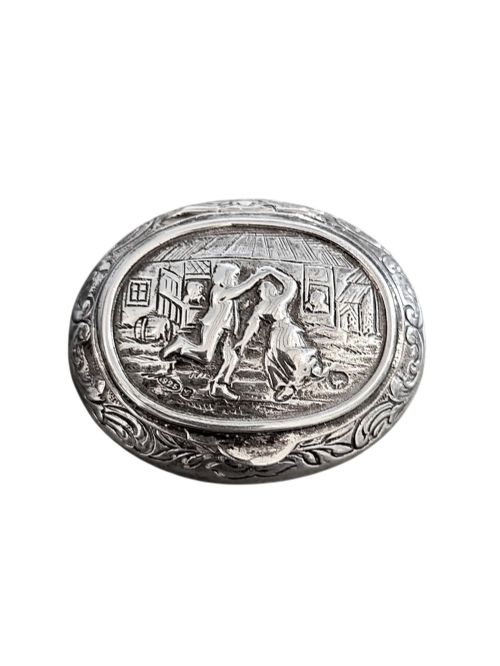
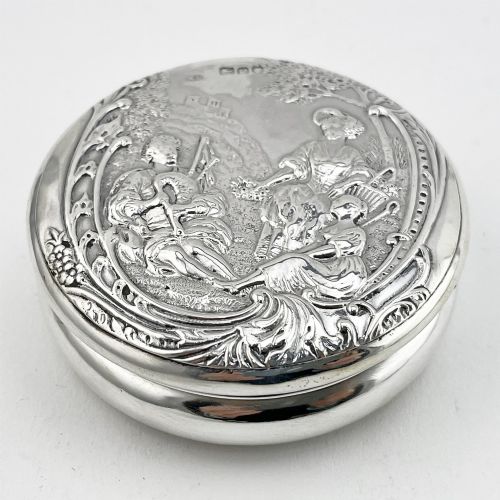
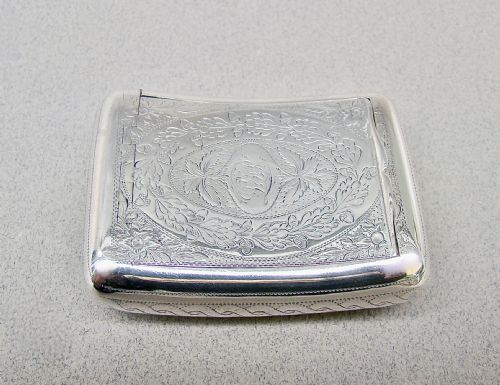
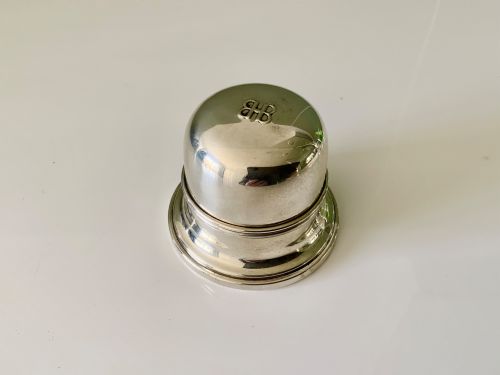
A sterling trinket container takes many forms across the inventory, ranging from pocket-sized pill boxes and snuff boxes to larger dressing table vanity jars, ring boxes and jewellery caskets. Most examples you encounter stem from the Victorian and Edwardian eras, alongside George V and later mid-century iterations.
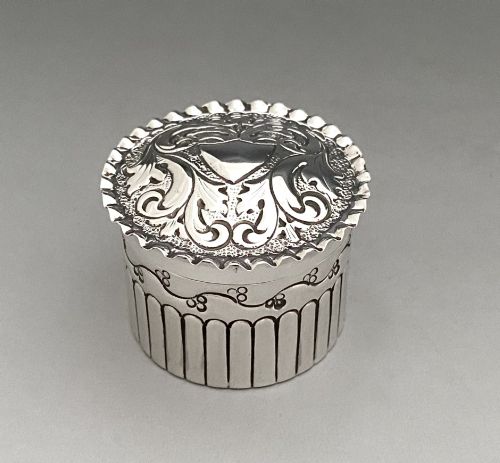
The objects serve varied domestic uses, originally created for tobacco, stamps, personal adornments or communion wafers, but today they function primarily as decorative receptacles for modern keepsakes. You find them shaped as hearts, rounds, or novelty subjects such as birds and snipe.
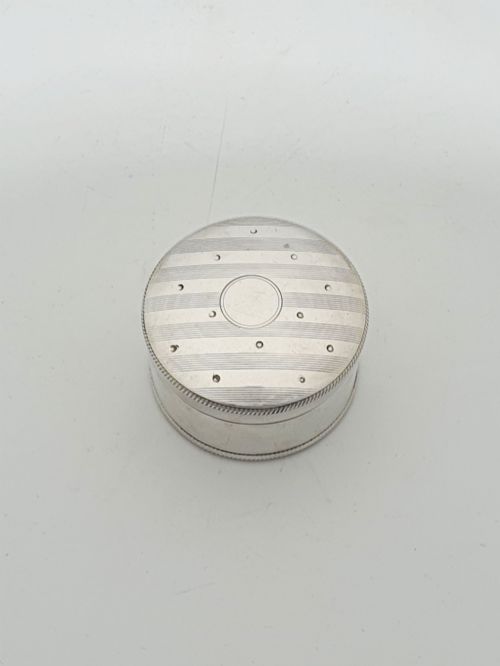
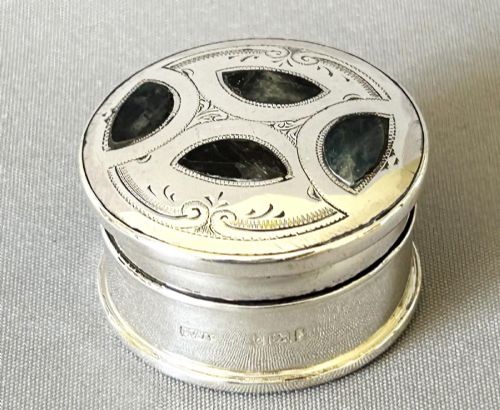
Makers utilised diverse secondary elements within the silver framework, combining precious metal with glass, enamel and organic materials. The variety encompasses simple engine-turned surfaces as well as ornate chased pictorial scenes and Scottish agate insets.
How They Were Made
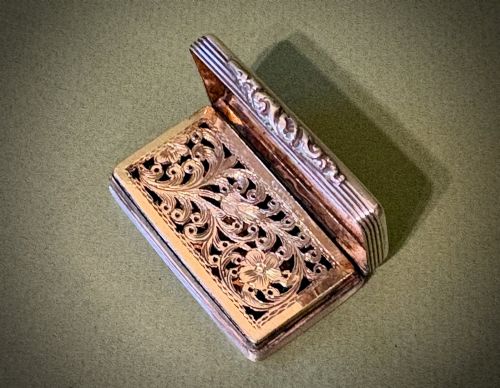
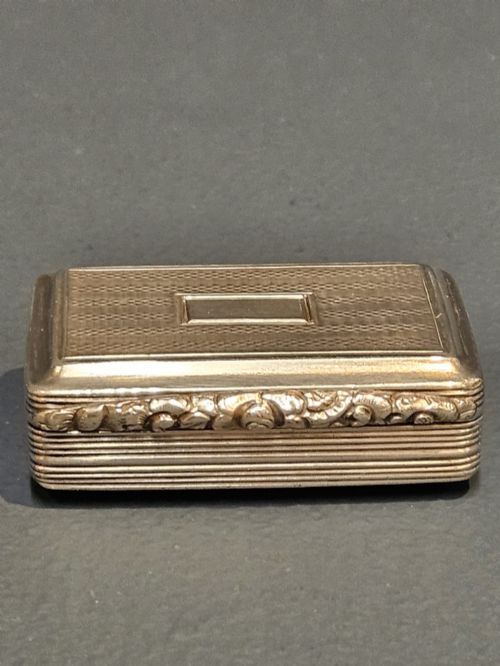
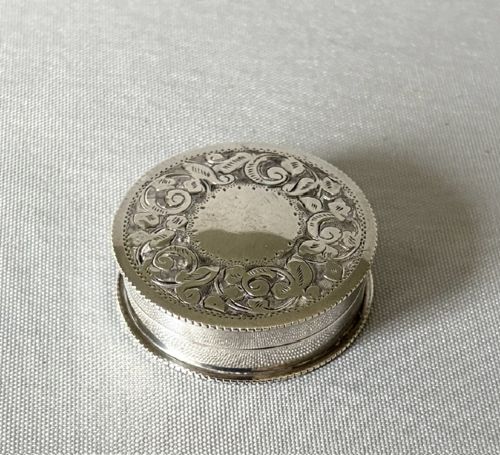
Silversmiths constructed these boxes using solid sterling silver, applying techniques such as engine turning, hand engraving, and casting to decorate the lids and bodies. Many pieces incorporate gilt interiors, where a thin layer of gold wash protects the silver from corrosive contents like snuff.
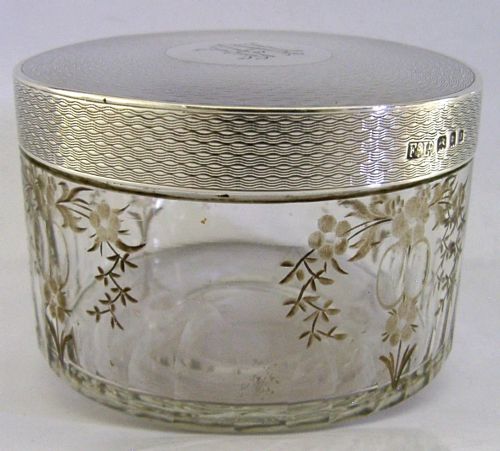
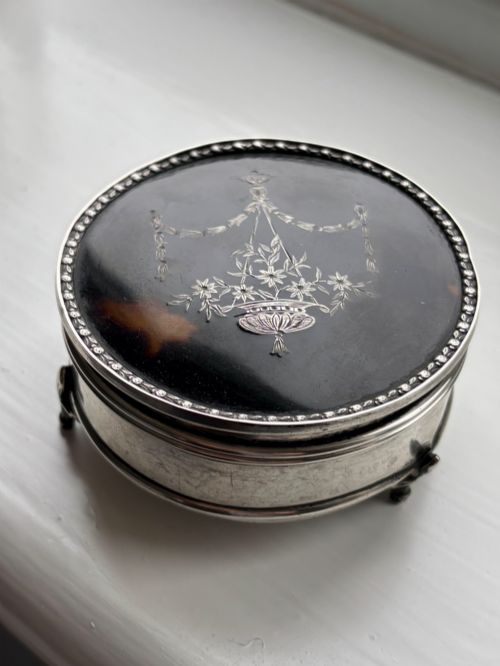
Craftsmen combined the silver mounts with contrasting materials, mounting cut glass, amethyst glass, and ceramics into frames, or applying translucent enamel over guilloche engraving. Organic elements like mother of pearl, tortoiseshell, and Scottish stones appear securely set into the metal bezels.
Sterling Trinket Container Retail Price Guide 2026
Typical asking prices for sterling trinket container among the pieces listed under this phrase on Sellingantiques today, from the lower quarter to the upper quarter. They describe what is for sale here now, not the wider market.
Listings feature sterling trinket container examples incorporating materials like agate, mother of pearl, and enamel across Victorian and Edwardian periods.
What Varies in Quality
The standard of execution separates ordinary production boxes from exceptional studio work, visible in the crispness of chased details, the depth of engine turning, and the weight of the silver. Boxes attributed to notable makers display superior hinge alignment and tighter lid closures.
Joseph Willmore·Paul Storr·Walker & Hall·George Adam Scheid·Sigvard Bernadotte for Georg Jensen·Elkington & Co
The Sterling Trinket Container Glossary
- Sterling Silver
- An alloy containing ninety-two point five percent silver by mass, with the remainder comprising copper or other metals. This standard grade forms the primary body of almost every piece.
- Guilloche
- A decorative mechanical technique whereby a precise repetitive pattern is engraved into a metal surface. Enamel is frequently applied over this texture to create a translucent wavy sheen.
- Engine Turned
- A method of ornamentation produced on a lathe, cutting geometric patterns into the metal. It provides a textured surface that catches light.
- Gilt Interior
- A gold wash applied to the inside of a silver box. This coating prevents the silver from tarnishing when exposed to acidic substances such as snuff.
- Pyx
- A small round container historically used to carry the Eucharist. In secular contexts, the term describes compact lidded boxes of similar proportions.
Sterling Trinket Container: Frequently Asked Questions
What is a sterling trinket container?
A sterling trinket container is a small lidded box or jar fabricated from silver to hold small personal items like pills, rings, and keepsakes. These objects range from pocket snuff boxes to heavy dressing table caskets.
They reflect the domestic habits of periods spanning from the Georgian era to the mid-twentieth century, combining utility with decorative metalwork.
How were these boxes used?
Original uses varied widely depending on the specific form and size of the container. Snuff boxes held powdered tobacco, pill boxes held medication, and stamp boxes kept postage secure on a desk.
Today, buyers utilise them to store modern rings, cufflinks, and small mementos on dressing tables or display shelves.
How do I date a silver box?
Dating relies heavily on hallmarks stamped into the silver by assay offices in cities like Birmingham, Sheffield, and London. These marks include date letters that correspond to specific years of manufacture.
Stylistic cues such as Art Deco geometric lines or Victorian chased floral motifs also help determine the period.
Are all boxes made entirely of silver?
Not all pieces consist solely of solid metal. Many incorporate cut glass, ceramic bodies, or crystal jars fitted with silver collars and lids.
Others feature organic insets including mother of pearl, tortoiseshell, agate, and enamel panels set into the metal framework.