


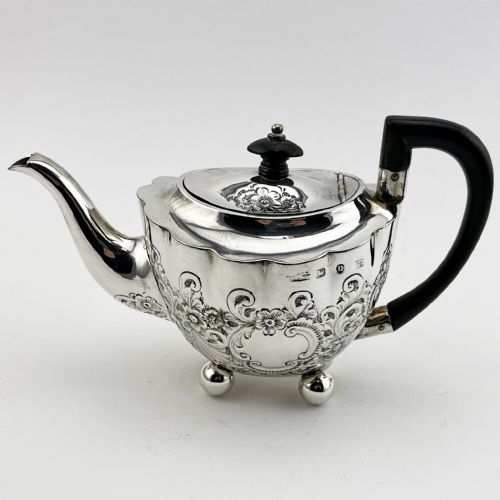


Sterling Silver Tea Pot
A sterling silver tea pot brings genuine weight to the table, uniting Georgian elegance with Victorian and Edwardian domestic ritual.
Sterling Silver Tea Pot
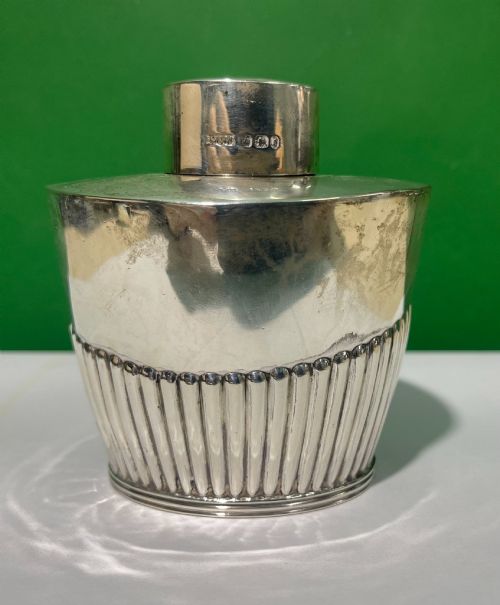
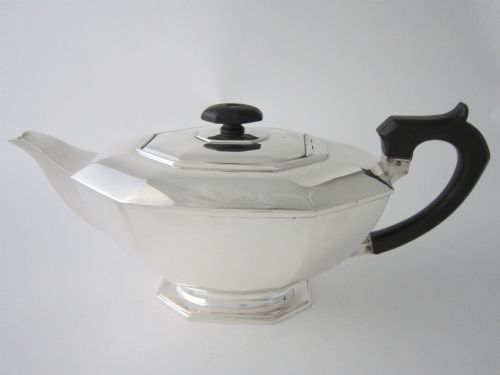
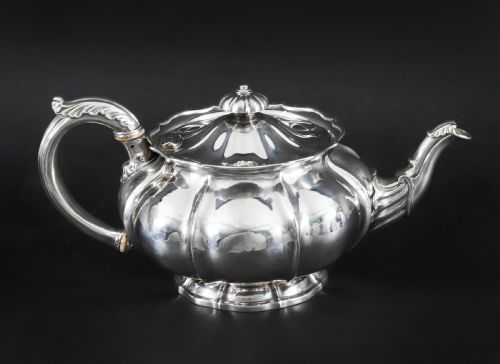
A sterling silver tea pot encompasses forms ranging from Georgian and Regency creations to later Victorian, Edwardian, and Art Deco services. The pieces appearing here span tea pots, coffee pots, tea caddies, sugar bowls, and complete sets with matching stands.
Buyers encounter provincial English pieces from Newcastle alongside London hallmarks and Irish silver tea pots. Miniature chocolate pot sets and bachelor teapots also surface within these periods.
The chronological scope reaches from the 1800s through to mid-century Elizabeth II productions, offering both solo vessels and multi-piece tea and coffee services.
Materials and construction methods
Makers utilised sterling silver and solid silver as the primary body material, sometimes applying silver-gilt or gilding to interior surfaces. Handles and finials frequently incorporate insulating materials such as wood, ebonised wood, and bone to manage heat.
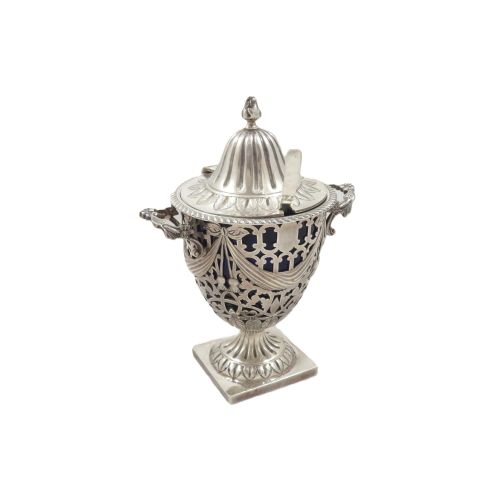
Certain vessels integrate contrasting elements, including cobalt glass inserts within openwork sugar baskets or urns. Surviving examples often retain their original fitted wooden and velvet-lined cases from workshops in Sheffield and London.
Sterling Silver Tea Pot Retail Price Guide 2026
Typical asking prices for sterling silver tea pot among the pieces listed under this phrase on Sellingantiques today, from the lower quarter to the upper quarter. They describe what is for sale here now, not the wider market.
Listings feature sterling silver tea pots spanning the Georgian, Victorian, Edwardian, and mid-20th-century periods, incorporating wood, bone, and cobalt glass.
Assessing craftsmanship and execution
The distinction between standard production and masterwork output rests on the crispness of chased decoration and the balance of the vessel. Pieces bearing the mark of specialist silversmiths demonstrate superior hand-raising and refined handle insulation.
The survival of original components, such as matching stands, lids, and fitted cases, elevates a service. Provincial or London hallmarks that remain clear and legible add historical integrity to the piece.
Paul Storr·Joseph Craddock·Robert Hennell II·Harry Atkin
The Sterling Silver Tea Pot Glossary
- Sterling silver
- An alloy comprising a defined proportion of pure silver and other metals, traditionally marked with a lion passant in British assay offices. This standard ensures durability for functional domestic hollowware.
- Hallmark
- The official stamp applied to precious metals indicating the maker, assay office, and year of testing. These marks allow historians to date silver tea pots precisely.
- Silver-gilt
- A layer of gold applied to the surface of sterling silver, often seen on the interior of sugar bowls or tea caddies to prevent tarnishing from acidic contents.
- Bachelor teapot
- A smaller scale teapot designed for single portions or intimate hospitality during the Georgian and Victorian periods.
- Coffee biggin
- A tall pot equipped with an internal straining device or filter bag for brewing coffee, frequently mounted on a spirit-burner stand.
Sterling Silver Tea Pot: Frequently Asked Questions
How do I clean an antique silver teapot?
Use a soft cloth and a specialised silver polish designed to remove tarnish without abrading the metal surface or chasing. Avoid harsh chemical dips that strip the natural patina accumulated over centuries.
Rinse the pot thoroughly in warm water and dry it immediately with a lint-free cloth to prevent water spots and protect any wooden or bone handle insulators.
Can I still use a silver teapot for serving tea?
Many collectors utilise their silver teapots for daily service, provided the interior joints and insulators remain secure. Solid silver conducts heat rapidly, so pre-warming the vessel with hot water is standard practice.
Ensure you check the handle fittings and lid hinge before pouring to confirm the vessel handles boiling water safely without transferring excessive heat.
What is the difference between a teapot and a coffee pot?
Coffee pots are typically taller and more slender than teapots to accommodate the traditional brewing grounds and sediment. Teapots feature a broader, lower profile designed for steeping loose tea leaves efficiently.
Matching sets often include both vessels alongside a dedicated sugar bowl and cream jug within a fitted presentation case.
How do I identify the date of my silver teapot?
Locate the hallmark stamps usually situated near the rim, base, or on the underside of the lid. Each assay office uses a specific city symbol, paired with a date letter that corresponds to the year of manufacture.
Reference tables for London, Newcastle, Sheffield, and Irish assay marks provide the exact year of testing based on the specific shield and letter style.