

Sterling Silver Sweetmeat Dishes
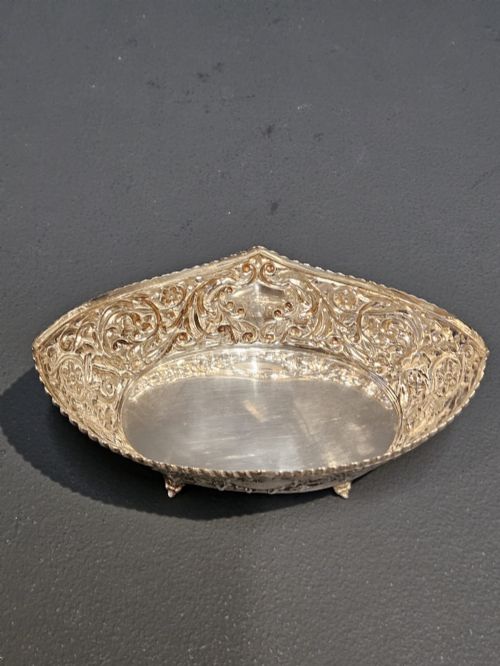
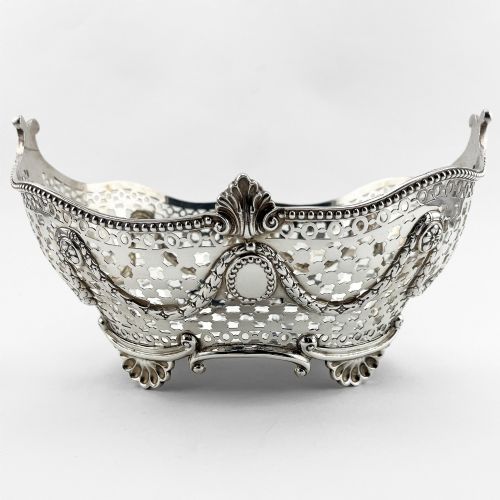
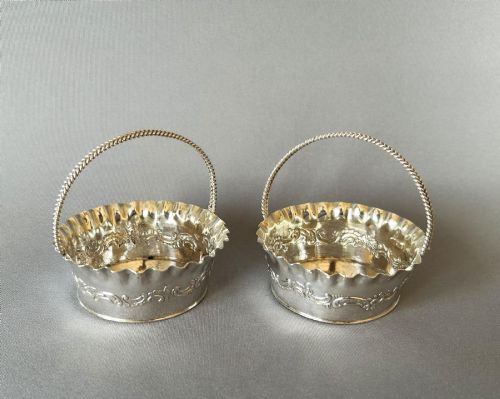
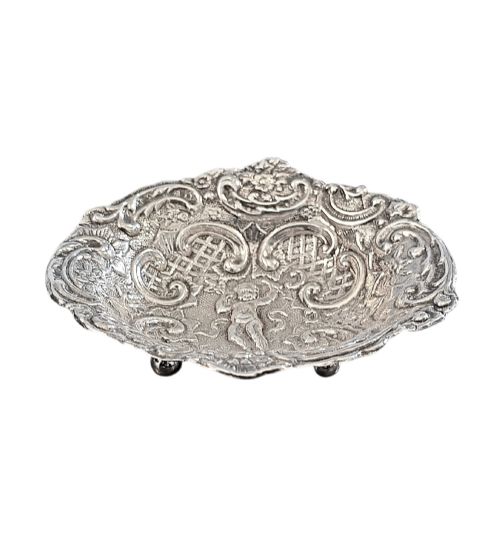
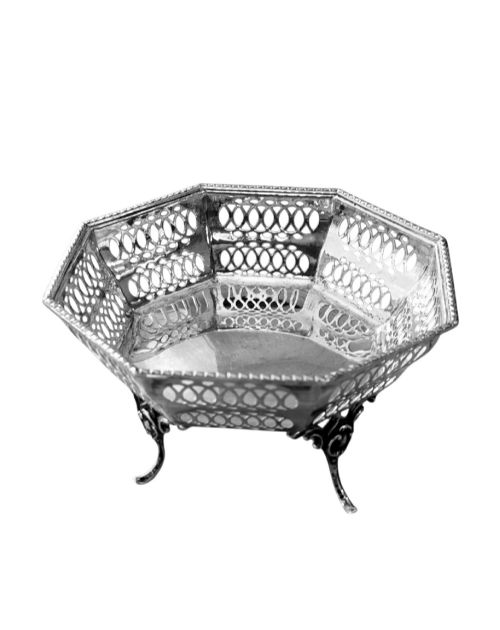
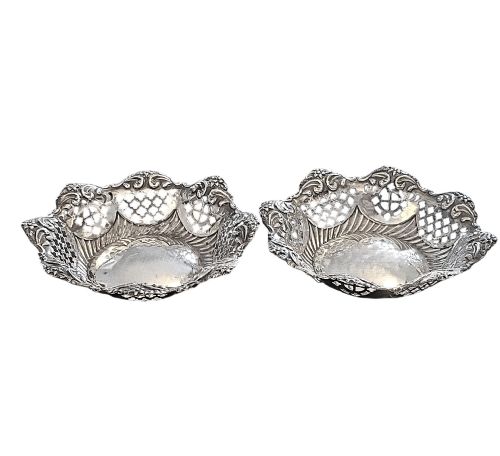
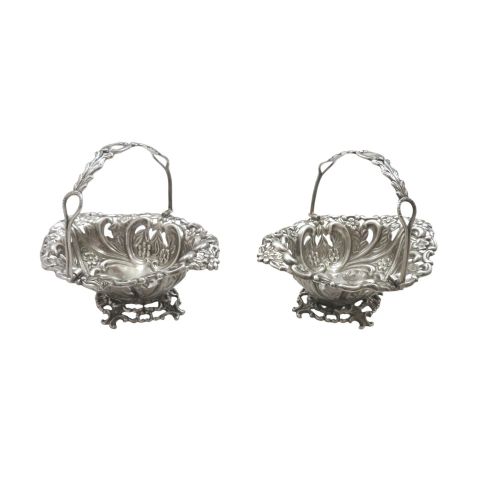
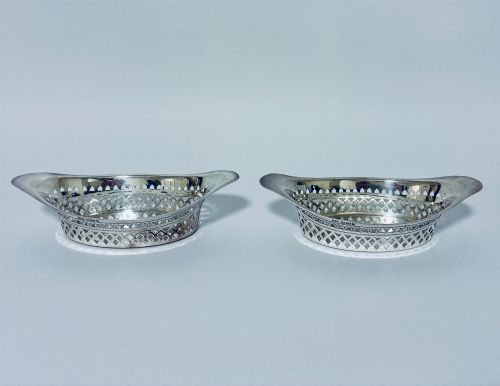
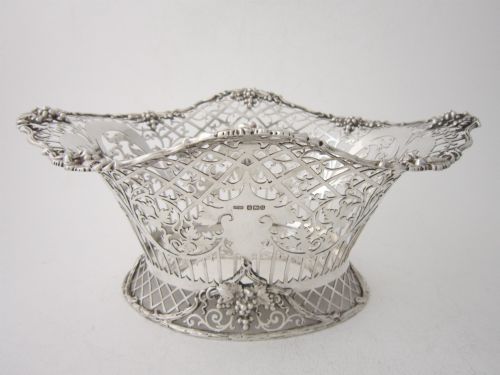
These sterling silver sweetmeat dishes range from delicate Victorian bonbon baskets to Georgian swing-handled designs intended for small confections.
Sterling Silver Sweetmeat Dishes
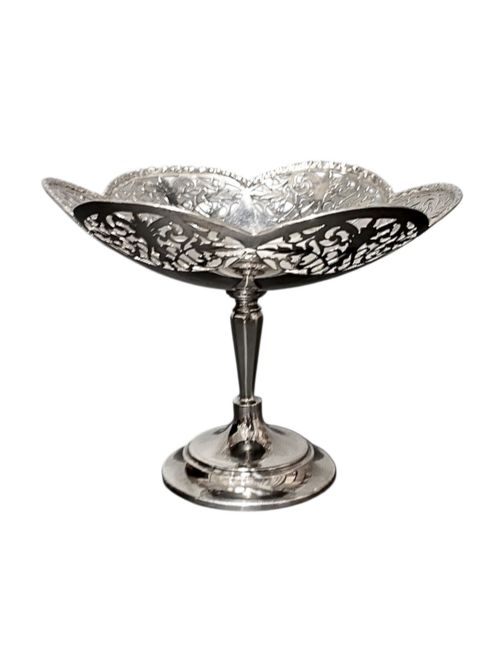
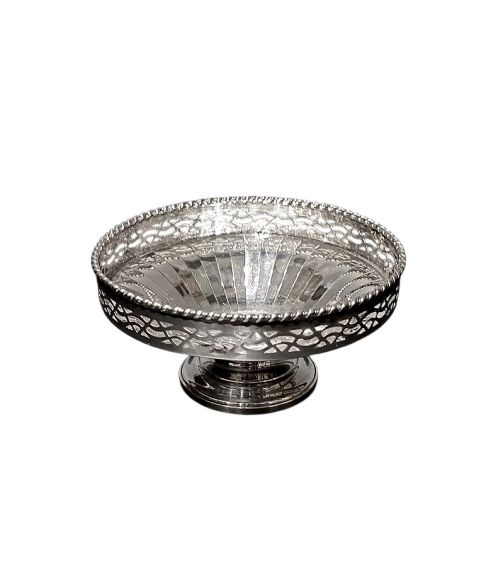
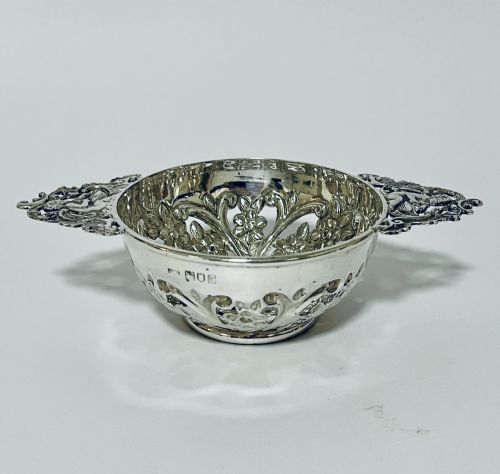
When searching for sterling silver sweetmeat dishes, buyers encounter a variety of forms including bonbon dishes, sugar baskets, tazzas, and small pierced bowls. The pieces span periods from the Georgian era through the Victorian, Edwardian, and Art Deco years, reflecting changing dining customs.
Edwardian and Victorian examples dominate the selection, often taking the form of handled baskets, footed bowls, or shallow dishes designed for sweets and sugar. Makers across Birmingham, Sheffield, London, and Chester produced these items in substantial numbers to serve formal dining tables.
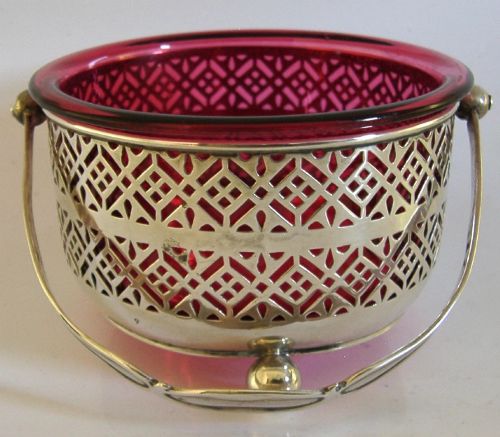
The assortment also includes paired items housed in original cases, alongside pieces featuring coloured glass liners in cranberry, ruby, or cobalt hues. These tabletop vessels bridge the gap between functional tableware and decorative display items.
How they were made
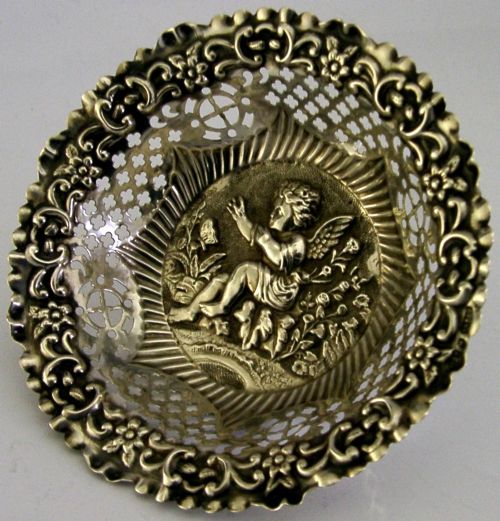
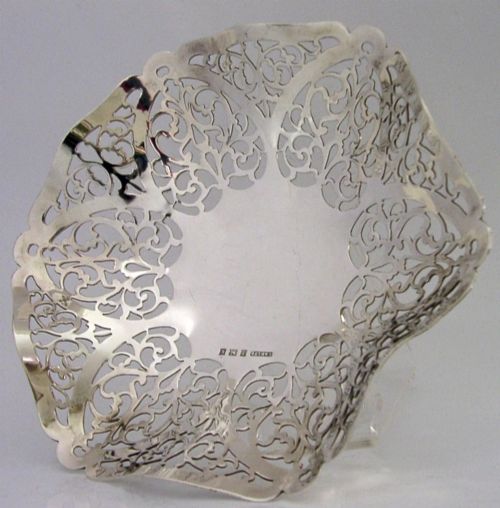
Silversmiths utilised solid sterling silver, often shaping the metal through piercing, lattice work, and embossed detailing to create lightweight yet decorative openwork baskets. Cast floral handles and swing handles were soldered to bodies formed by spinning or hammering sheet silver.
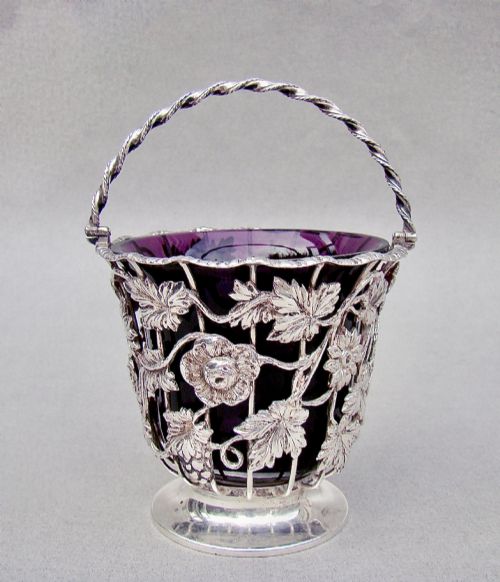
Many designs incorporate removable glass liners in cranberry, ruby, or cobalt glass, requiring precise metal frames to hold the blown glass securely. Gilding was occasionally applied to the interior surfaces of pedestal dishes to contrast with the exterior silver finish.
Sterling Silver Sweetmeat Dishes Retail Price Guide 2026
Typical asking prices for sterling silver sweetmeat dishes among the pieces listed under this phrase on Sellingantiques today, from the lower quarter to the upper quarter. They describe what is for sale here now, not the wider market.
Some Edwardian sweetmeat baskets feature cherubs peering out from pierced silver foliage, proving that Victorians loved a little mischief in their sugar.
What varies in quality
Quality in these pieces rests upon the crispness of the pierced or embossed ornamentation and the weight of the silver used in construction. Substantial gauge silver maintains structural integrity in open lattice designs without bending under normal handling.
The integration of maker craftsmanship, such as finely chased floral motifs and well-fitted cast handles, separates standard production items from workshop pieces bearing recognised makers' marks. The presence of undamaged coloured glass liners adds an additional layer of completeness to surviving sets.
William Aitken·Mitchell Bosley And Co·Viners And Co·Thomas Bradbury And Sons·Henry Chawner·Charles Boyton·Fenton Brothers·James Deakin And Sons·William Bond·Martin Hall·William Comyns
The Sterling Silver Sweetmeat Dishes Glossary
- Sweetmeat dish
- A small vessel designed for serving confectionery, nuts, or dried fruits during formal dining. These pieces often take the form of shallow bowls, tazzas, or small baskets.
- Bonbon dish
- A small handled dish or basket created specifically for holding sweets or bonbons. They frequently date from the Victorian and Edwardian periods.
- Sugar basket
- A small basket, often featuring a swing handle and a coloured glass liner, used to hold lump or granulated sugar on the tea table. Examples appear in Georgian, Victorian, and Edwardian styles.
- Tazza
- A small shallow bowl raised on a central foot or pedestal. These items were used for serving fruit or confections.
- Pierced work
- A decorative technique where holes are cut through the silver sheet to form geometric or floral patterns. This method lightens the object while creating intricate visual detail.
- Swing handle
- A movable arched handle attached to the rim of a basket by pivots. This feature allows the handle to lie flat when the vessel is placed on a table.
Sterling Silver Sweetmeat Dishes: Frequently Asked Questions
What were sweetmeat dishes used for?
These vessels held small confections, sweetmeats, sugar, or nuts served at the end of a meal or during tea service. They sat on the dining table as part of the decorative tablescape.
Over time, changing dining habits turned them from functional tableware into cabinet display pieces or decorative tidy bowls.
How do I identify an Edwardian silver basket?
Edwardian pieces often feature pierced lattice patterns, Art Nouveau influences, or elaborate revival styles produced between the late Victorian era and the First World War. Hallmarks stamped on the silver provide exact assay office symbols and date letters for verification.
Weight, construction methods, and maker marks help separate these early twentieth-century items from later reproductions.
Why do some silver baskets have glass liners?
Glass liners protected the silver from sticky or acidic contents such as preserves, sugar, and fruit. Cranberry, ruby, and cobalt glass also provided a colourful contrast against the polished sterling silver framework.
Liners were blown separately and fitted into the pierced metal baskets during production.
Are swing-handled baskets original?
Swing handles formed an integral part of many sugar baskets and sweetmeat dishes from the Georgian period through the Edwardian era. The hinged joints allowed the handle to drop down for easy access and storage.
Matching hallmarks on the handle and body confirm the original pairing of the components.