

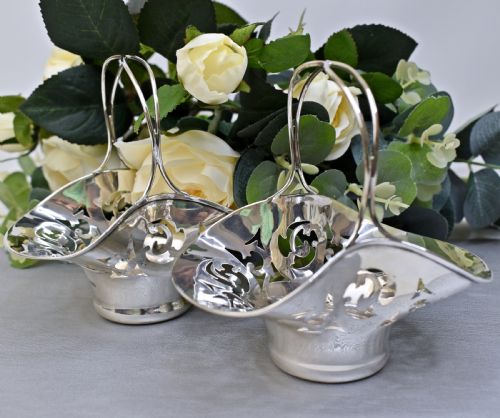


Sterling Silver Sweet Dishes
Sterling silver sweet dishes bring small-scale elegance to a table, offering pierced bowls and handled baskets for serving miniature treats.
Sterling Silver Sweet Dishes
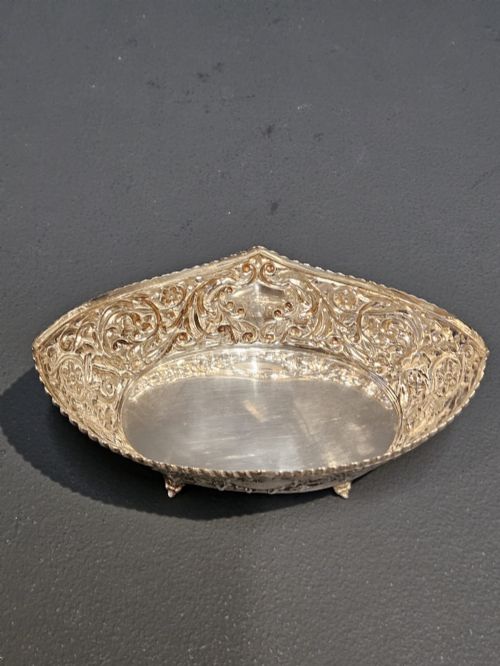
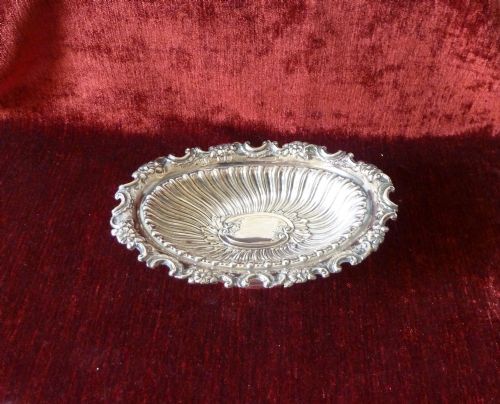
When you search for sterling silver sweet dishes, you encounter a selection of small table vessels designed for confectionery, nuts or bonbons during the Victorian and subsequent periods. These items encompass bonbon dishes, sweet bowls and small baskets intended to sit directly upon the dining or drawing-room table.
Materials and construction
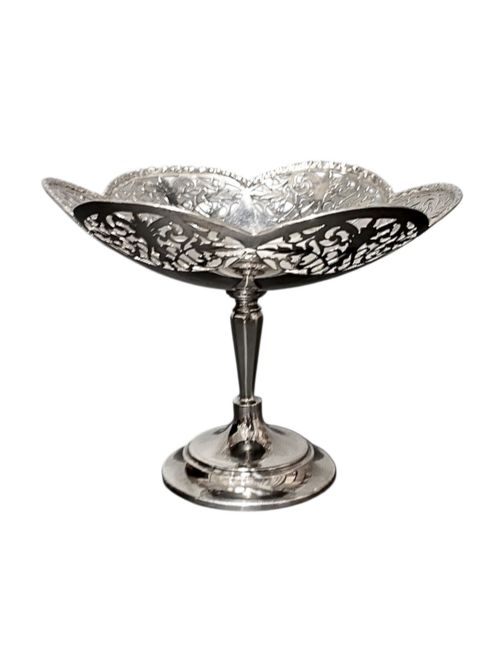
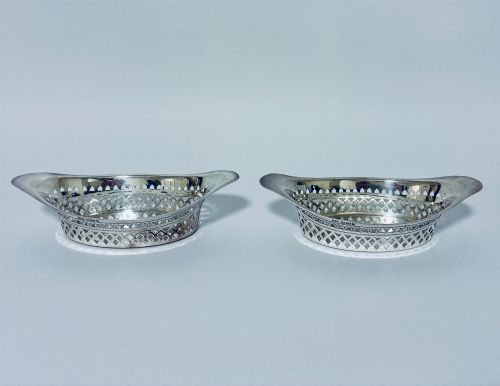
These dishes are formed from sterling silver and silver, often shaped into openwork or pierced patterns that create delicate lattice designs across the walls of the bowl. Makers utilised traditional silversmithing techniques, raising the metal into pedestals and attaching handles or rims.
Assay office hallmarks stamped directly onto the silver record the year of manufacture, the city of testing such as London, Sheffield or Birmingham, and the standard of the metal.
Sterling Silver Sweet Dishes Retail Price Guide 2026
Typical asking prices for sterling silver sweet dishes among the pieces listed under this phrase on Sellingantiques today, from the lower quarter to the upper quarter. They describe what is for sale here now, not the wider market.
Victorian sweet baskets made sure that even sugar cubes enjoyed a dignified carriage across the dining room.
Distinctions in quality
Quality in these dishes rests upon the crispness of the piercing and the structural integrity of the silver walls when held. Pieces that maintain a heavier gauge of metal resist distortion better than thinner alternatives.
The refinement of the chasing and the clarity of the maker marks and hallmarks also elevate the standing of an individual piece.
Fenton Brothers
The Sterling Silver Sweet Dishes Glossary
- Bonbon dish
- A small vessel specifically intended for holding sweets or confectionery. These often feature decorative piercing and delicate handles.
- Pierced
- A technique where metal is cut through to create openwork patterns and decorative motifs. This reduces weight while increasing visual lightness.
- Hallmark
- A series of official marks stamped on precious metals. It guarantees the purity of the silver and indicates the assay office and date.
- Pedestal
- A raised base supporting the bowl of the dish. It elevates the vessel above the surface of the table.
Sterling Silver Sweet Dishes: Frequently Asked Questions
What are sterling silver sweet dishes?
These are small decorative vessels made from sterling silver, designed primarily to hold sweets, bonbons or small confectionery on a dining table or sideboard.
They appear in various forms including open bowls, pedestal stands and pierced baskets dating from the Victorian era through to the Art Deco period.
How were sweet dishes used?
Historically, hosts placed these dishes filled with sweetmeats or nuts on the table during dessert courses or in reception rooms for guests.
Their small scale allowed them to be passed easily among company during formal gatherings.
How do I identify the date of a dish?
Dating relies upon the hallmarks stamped into the silver, which include specific date letters corresponding to the year the piece was tested at an assay office.
Stylistic elements such as heavy Victorian ornamentation or geometric Art Deco lines also provide broad chronological markers.
Can I use these dishes daily?
While robust enough for occasional modern service, these antique silver pieces require gentle hand washing to preserve their finish and hallmarks.
Many owners choose to display them on sideboards or use them for serving small items during special meals.