


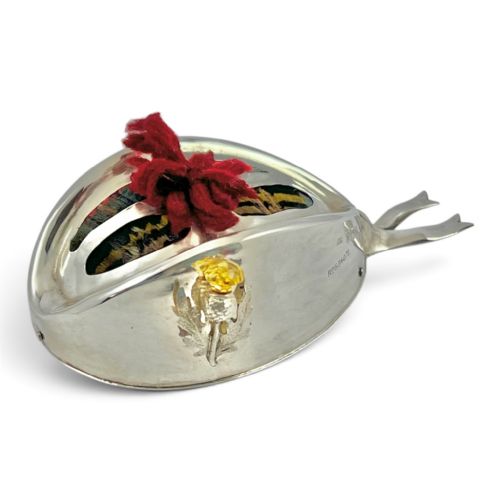
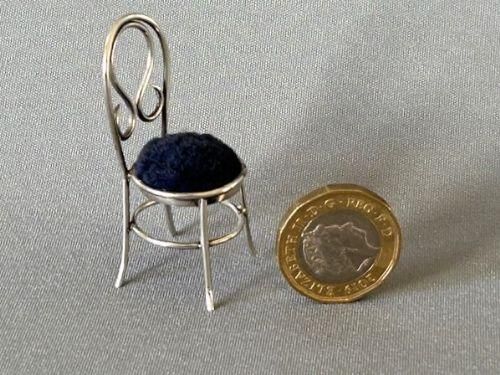
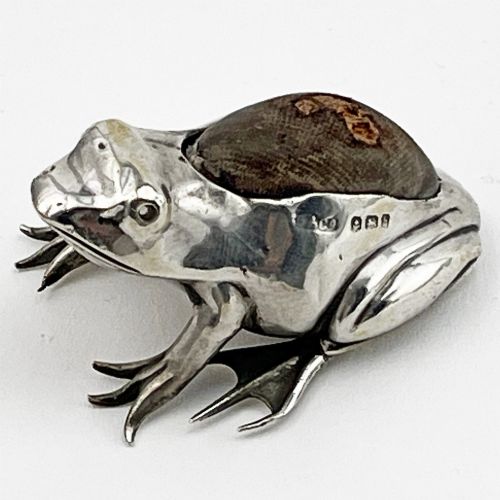


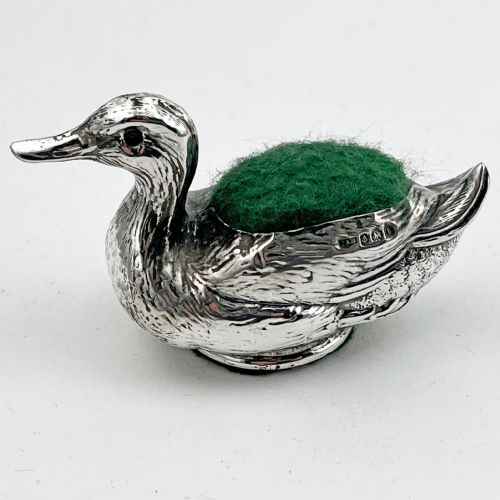
Sterling Silver Sewing Cushion
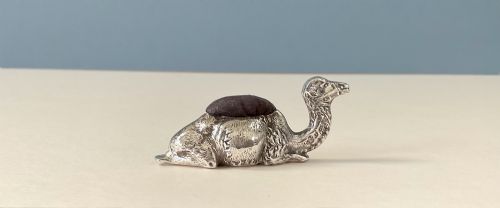
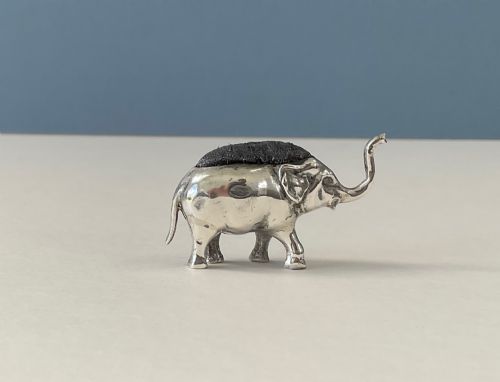
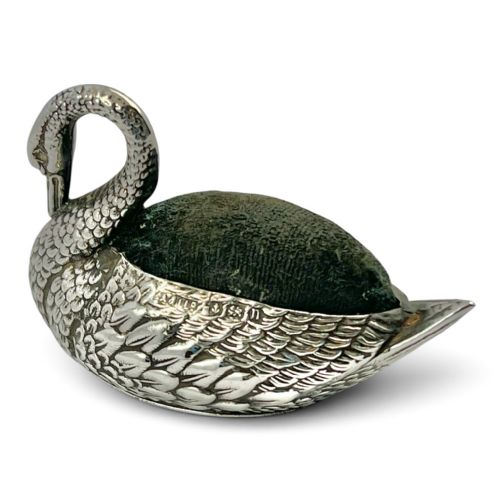
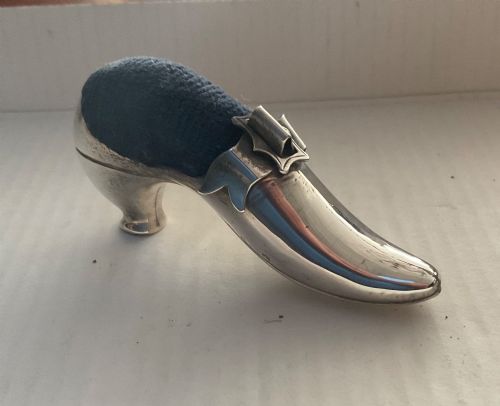
These sterling silver sewing cushion pieces are small desk and vanity weights shaped as animals, boots and everyday objects, built to hold pins during needlework.
Sterling Silver Sewing Cushion
A sterling silver sewing cushion combines a heavy silver chassis with an upholstered fabric insert designed to store pins and needles safely during sewing tasks. When handling these items, you encounter both plain geometric shapes and whimsical novelty models.
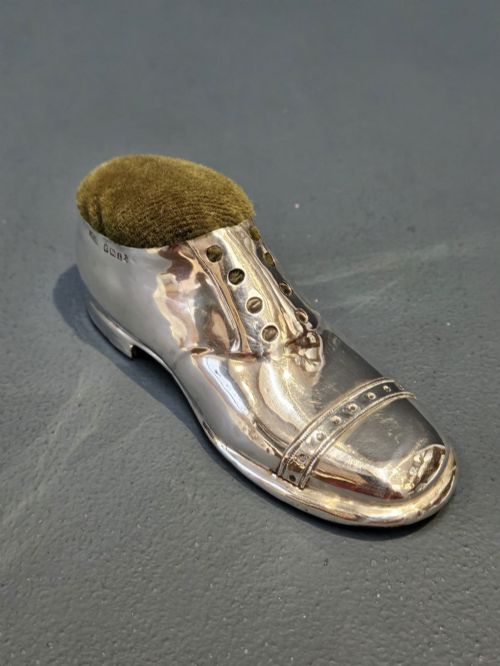
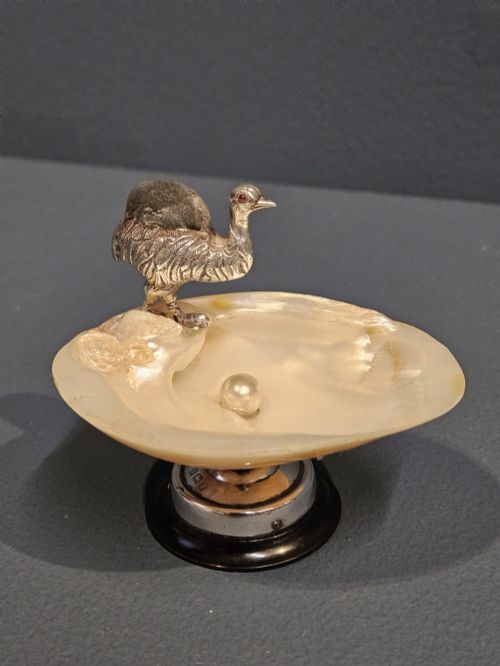
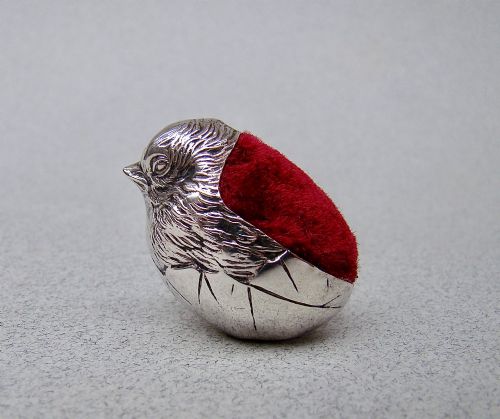
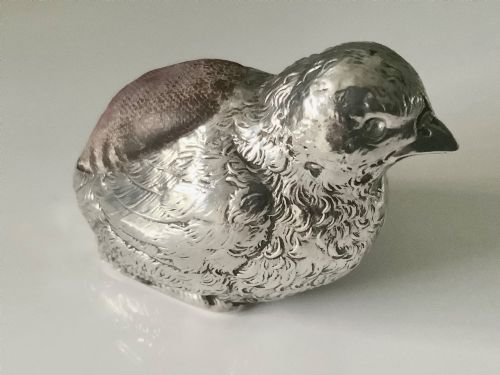
The selections span the Victorian, Edwardian and George V periods, with a strong showing of Edwardian novelty animal figures. Standard forms include shoes, birds, pigs and miniature domestic items.
Makers produced these sewing accessories for dressing tables and workbaskets, combining utilitarian needlework functions with decorative metalwork.
Materials and construction
Silversmiths formed the outer bodies using sterling silver sheets, often pressing or casting them into detailed animal and object shapes before hallmarking the metal. Artisans then fitted these hollow silver mounts with textile inserts.
The internal cushions consist of velvet, felt, wool or fabric stuffed tightly to grip pins without damaging delicate needle points. Some examples integrate glass components or mother of pearl elements into the overall design.
Sterling Silver Sewing Cushion Retail Price Guide 2026
Typical asking prices for sterling silver sewing cushion among the pieces listed under this phrase on Sellingantiques today, from the lower quarter to the upper quarter. They describe what is for sale here now, not the wider market.
The listings show materials spanning sterling silver, velvet, wool, felt, glass and mother of pearl across Victorian and Edwardian periods.
Assessing quality in silver cushions
The condition and originality of the fabric cushion insert heavily influence the piece, as original velvet or wool pads show less disruption to the inner stuffing over decades of use.
Adie And Lovekin·Sampson Mordan·George W Shiebler·Artificer's Guild·Henckel NY
The Sterling Silver Sewing Cushion Glossary
- Novelty
- A piece shaped to represent an animal, vehicle or household object rather than a standard geometric form. These figural designs formed a major part of Edwardian silver production.
- Hallmark
- A set of official marks stamped onto silver items indicating the assay office, metal standard and date letter. These marks help verify the exact year of manufacture.
- Assay Office
- An official body that tested precious metals and stamped silver items with guarantee marks. Common towns include Birmingham, Chester and London.
Sterling Silver Sewing Cushion: Frequently Asked Questions
What were sterling silver sewing cushions used for?
These items sat on sewing tables and dressing desks to hold pins and needles securely during textile work. The heavy silver base kept the cushion stable while dressmakers pulled threads.
They also served as decorative novelties for wealthy Victorian and Edwardian households, doubling as miniature ornaments when not in active use.
How do I identify an Edwardian silver pin cushion?
Look for the date letters and town marks stamped into the silver body, which often point to Birmingham or Chester hallmarks from the early 1900s. Edwardian pieces frequently favor animal novelty shapes like chicks, pigs and elephants.
The style leans toward naturalistic detailing on the silver surface combined with coloured velvet or wool inserts.
Can I replace the fabric cushion inside?
Original textile inserts hold historic value, so collectors prefer to keep the aged velvet, felt or wool intact whenever possible. Replacing the stuffing disturbs the historic fabric and alters the original construction.
Cleaning should focus solely on the exterior silver mount while leaving the internal pad undisturbed.
Are all these cushions shaped as animals?
Many examples take the form of birds, dogs, pigs and other animals, but makers also produced shoes, canoes, wheelbarrows and goblets. Geometric shapes like hearts and standard pin cushion stands also appear in the record.
Animal novelties remain the most commonly encountered type from the Edwardian period.