



Sterling Silver Pen
These sterling silver pen and desk accessories offer a tangible link to Georgian, Victorian, and Edwardian writing rooms, prized for their craftsmanship and utility.
Sterling Silver Pen
When you search for a sterling silver pen and related desk wares, you encounter items designed for historical correspondence, ranging from inkstands and trays to novelty inkwells and pen wipes. The items you are most likely to meet on this page span the Victorian and Edwardian eras, alongside Georgian pieces.
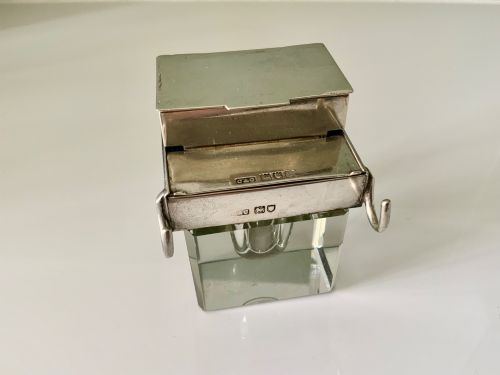
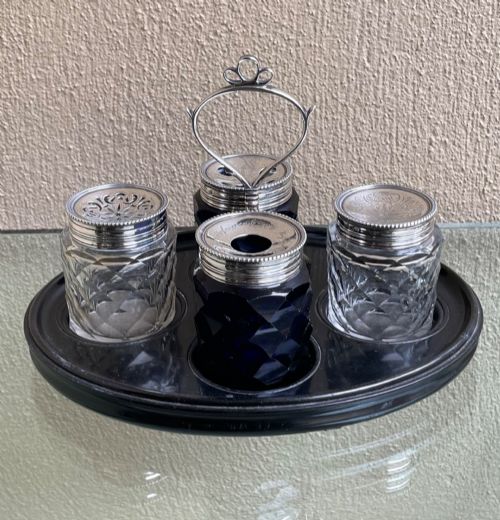
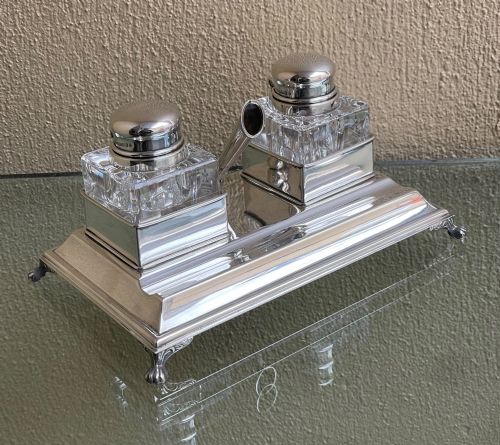
The assortment includes elaborate double inkstands with chambersticks, capstan-shaped desk inkwells, and oval snuffers trays. These objects served functional roles in domestic and office settings, often incorporating cut glass bottles or ebony details alongside the silver.
How they were made
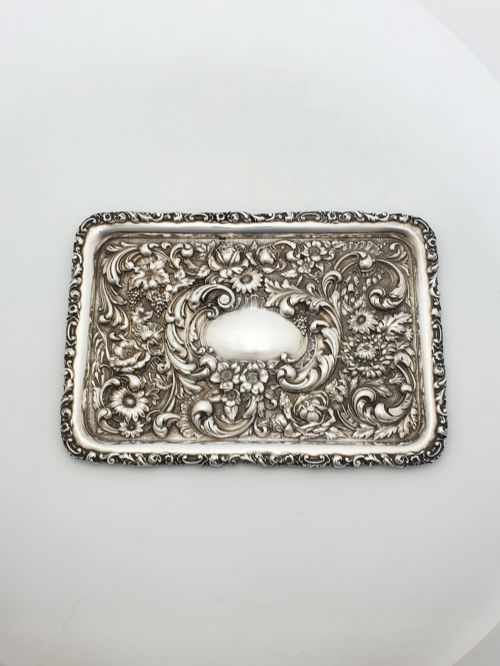
Makers utilised solid sterling silver, shaping it through techniques such as repoussé to create floral and rococo decoration on trays and boxes. Structural components combined silver with contrasting materials like ebony wood and cut glass.
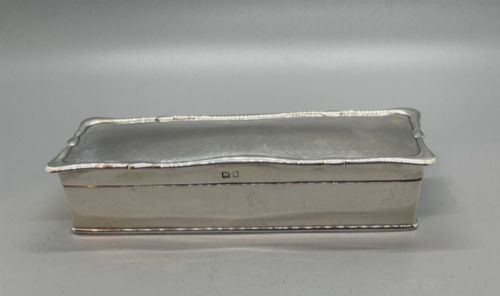
Silversmiths incorporated functional elements including hinged lids, ceramic or glass ink inserts, and fitted compartments for writing instruments. Hallmarks stamped into the metal recorded the assay office, city, and year of production.
Sterling Silver Pen Retail Price Guide 2026
Typical asking prices for sterling silver pen among the pieces listed under this phrase on Sellingantiques today, from the lower quarter to the upper quarter. They describe what is for sale here now, not the wider market.
Listings feature Victorian, Edwardian, and Georgian periods, utilising sterling silver, cut glass, ebony, and enamel.
What varies in quality
Quality in these desk accessories rests on the weight of the silver, the crispness of the repoussé or chased decoration, and the survival of matching original components like cut glass bottles. Substantial pieces with integrated chambersticks or clocks sit at a different level from simpler single inkwells.
The distinction also lies in the provenance and the clarity of the full hallmarks stamped upon the pieces. Maker marks from established silversmiths elevate the standing of an inkstand or tray.
Peter and Anne Bateman·Robert Garrard
The Sterling Silver Pen Glossary
- Hallmark
- Official stamps applied to precious metals indicating standard of purity, assay office, and year of manufacture. These marks allow collectors to date items accurately.
- Repoussé
- A metalworking technique where the smith hammers the silver from the reverse side to form raised decorative patterns on the front. This method creates tactile floral and scroll designs.
- Capstan
- A desk accessory shaped like a nautical capstan, featuring a wide base tapering upwards towards a hinged lid. This form provides stability on a writing desk.
- Inkstand
- A tray or stand holding one or more inkwells, often with dedicated spaces for pens, sanders, and stamp moisteners. They formed the centrepiece of a nineteenth century desk.
- Chamberstick
- A small portable candlestick featuring a pan to catch dripping wax and a loop handle. Some desk pieces incorporated these for sealing letters with hot wax.
Sterling Silver Pen: Frequently Asked Questions
How do I date a silver desk piece?
You date these items by examining the hallmarks stamped directly into the sterling silver. These marks typically include a date letter corresponding to the assay office in cities like London, Birmingham, or Sheffield.
Design styles, such as Regency scrollwork or Edwardian capstan shapes, also provide clues to the era of production. Combining hallmark records with stylistic evidence offers a reliable timeline.
What materials are used alongside silver?
Makers frequently combined sterling silver with cut glass or plain glass for inkwell inserts, allowing owners to monitor ink levels. Ebony wood also appears as a contrasting dark material in trays and stands.
Enamel, natural bristle, and ceramic components are occasionally found in specific novelty desk accessories and pen wipes. These mixed media pieces highlight the diverse skills of period silversmiths.
How should I clean antique silver?
Antique silver benefits from gentle cleaning with a soft microfibre cloth and specialised silver polish to remove tarnish without abrading the metal. Avoid harsh chemical dips that strip away the desirable patination accumulated over decades.
Care should be taken around fitted glass, enamel, or ebony parts to prevent moisture damage. Regular, light dusting helps preserve the reflective surface of the silver.