





Sterling Silver Novelty Item
These sterling silver novelty item pieces turn everyday utilitarian objects into charming animals, furniture, and tools.
Sterling Silver Novelty Item
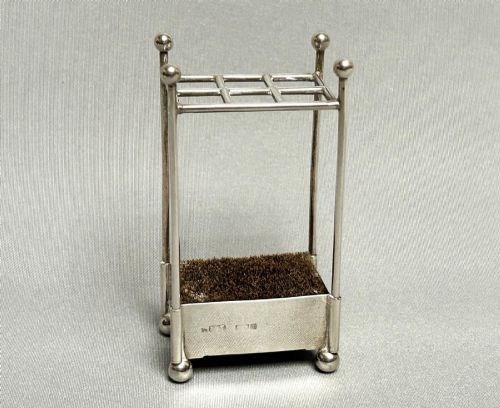
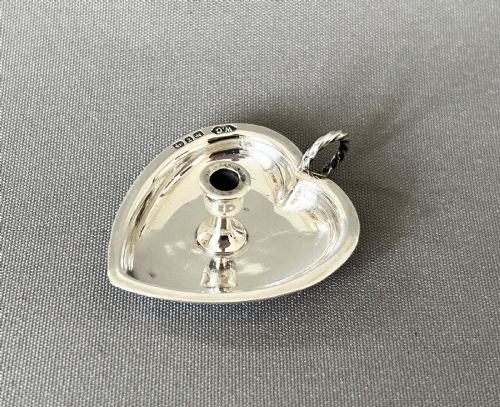
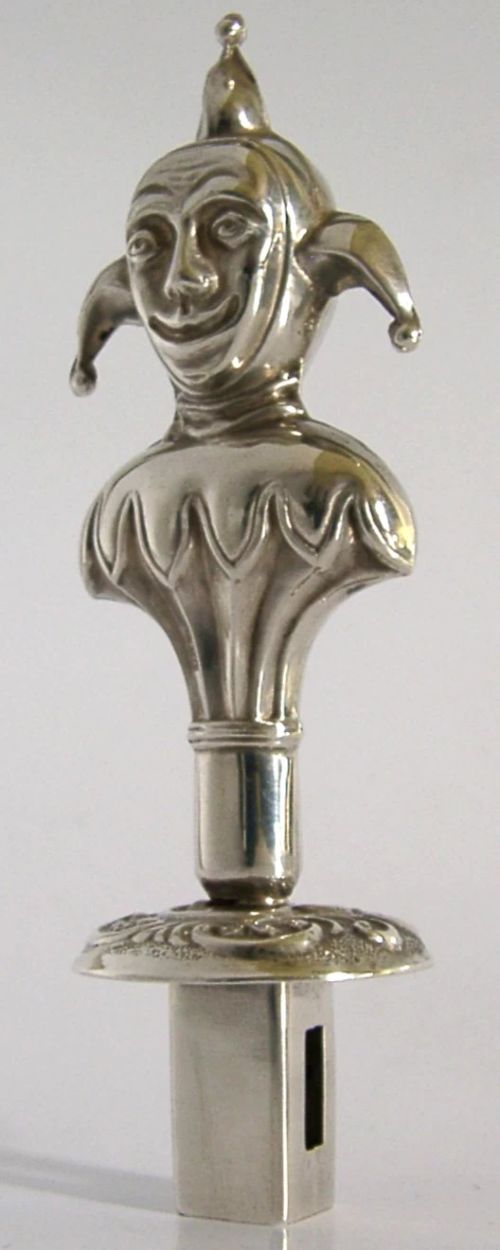
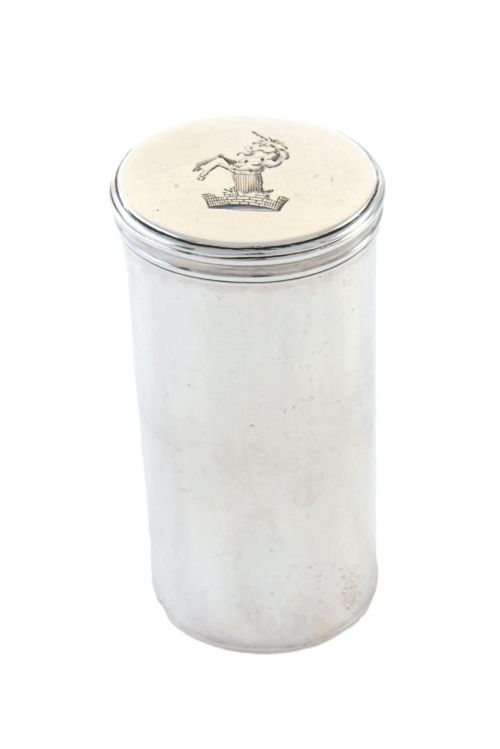
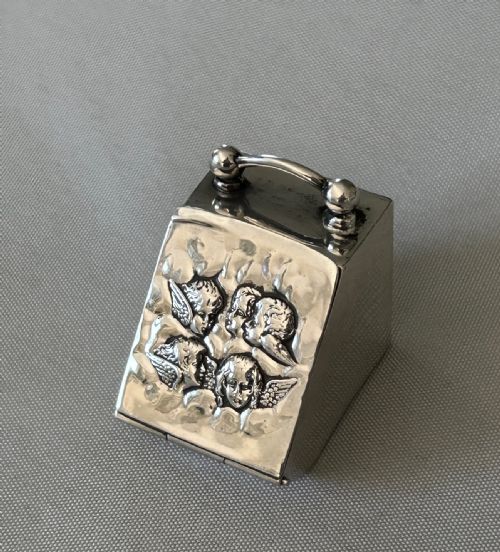
A sterling silver novelty item takes a standard domestic accessory and models it into an unexpected shape, such as a chair, an animal, or a miniature coal scuttle. Buyers seeking these pieces encounter whimsical domestic items spanning the Georgian, Victorian, and Edwardian periods.
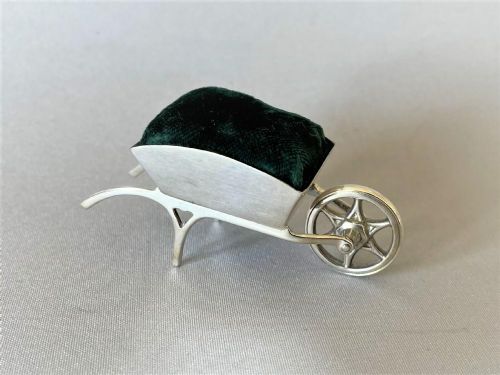
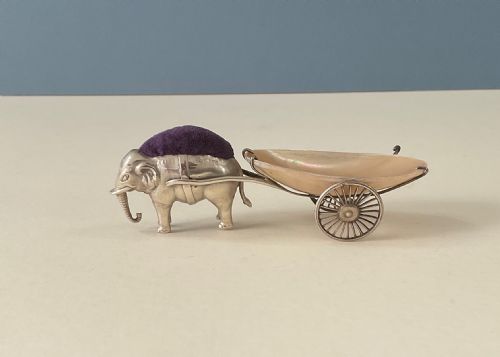
The assortment relies heavily on sewing and desk accessories, including pin cushions in the form of pigs, ducks, and wheelbarrows, alongside practical items like vesta cases and nutmeg graters. These shaped silver pieces served as decorative conversation pieces for writing desks and sewing tables.
Most examples originate from the late nineteenth and early twentieth centuries, though earlier Georgian pieces also appear among the selection. The form merges functional utility with playful design, making each survivor a small sculpture executed in precious metal.
Materials and construction
The primary material is sterling silver, frequently paired with secondary elements like velvet or felt inside pin cushions, natural bristle on brushes, and steel for blades in items such as apple corers or button hooks. Shell and stained bone also appear as supplementary components in specific functional objects.
Silversmiths utilised traditional techniques of casting, repoussé, and piercing to shape the metal into realistic fauna and miniature household equipment. Makers integrated textiles and organic materials securely into the silver housings to ensure the desk or sewing accessories remained durable.
Sterling Silver Novelty Item Retail Price Guide 2026
Typical asking prices for sterling silver novelty item among the pieces listed under this phrase on Sellingantiques today, from the lower quarter to the upper quarter. They describe what is for sale here now, not the wider market.
A tiny silver wheelbarrow serves no practical agricultural purpose, yet it holds pins with immense dignity on an Edwardian sewing table.
What determines quality
Quality rests upon the naturalism and detail of the modeling, particularly in animal forms where the expression and texture of feathers, bristles, or hides dictate the piece's success. Crisp hallmarks and clean junctions between the silver body and fitted elements like velvet inserts elevate the standard of a piece.
William Comyns
The Sterling Silver Novelty Item Glossary
- Sterling silver
- A silver alloy containing 92.5 percent silver by mass and 7.5 percent other metals, usually copper. This standard composition provides the durability required for intricate miniature items.
- Vesta case
- A small pocket container designed to hold matches and keep them dry. These cases often take novelty forms in silver during the Victorian and Edwardian periods.
- Pin cushion
- A small stuffed pad used for holding pins during sewing, frequently mounted inside silver novelty bases shaped as furniture or animals. The interior padding typically uses velvet or felt.
- Nutmeg grater
- A small pocket utensil used for grating hard nutmeg spices at the table, often fashioned into miniature silver boxes or decorative shapes.
- Hallmark
- An official stamp applied by an assay office to indicate the purity of the metal, the maker, and the year of production. British silver relies on these marks to verify origin and date.
Sterling Silver Novelty Item: Frequently Asked Questions
How were pin cushion novelties used?
Pin cushion novelties sat on sewing tables and dressing desks to hold pins and needles securely within a velvet or felt insert. Their amusing shapes provided visual entertainment during domestic needlework.
Owners appreciated them as both practical sewing tools and conversation pieces for the home.
How do I date a silver novelty item?
Dating relies primarily on the hallmarks stamped into the silver, which indicate the specific assay office and year of manufacture. Stylistic markers from the Victorian and Edwardian periods also help place the piece in time.
Examining secondary materials like stained bone, steel, or velvet can offer additional clues to the era of production.
How should I care for silver novelty items?
Care requires gentle cleaning with a soft cloth to avoid damaging delicate details, chased textures, or delicate inserts like felt and velvet. Keeping the pieces away from excessive moisture protects internal components such as steel blades or bone elements.
Regular, careful maintenance preserves the crisp definition of the silver modeling without wearing away the hallmarks.