

Sterling Silver Figurine
A sterling silver figurine brings small animals, birds and human figures to life in solid metal, offering charm and utility for collectors.
Sterling Silver Figurine
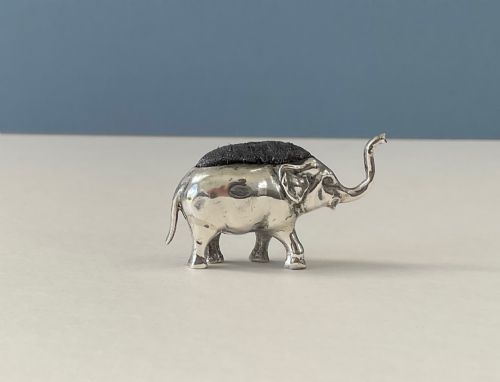
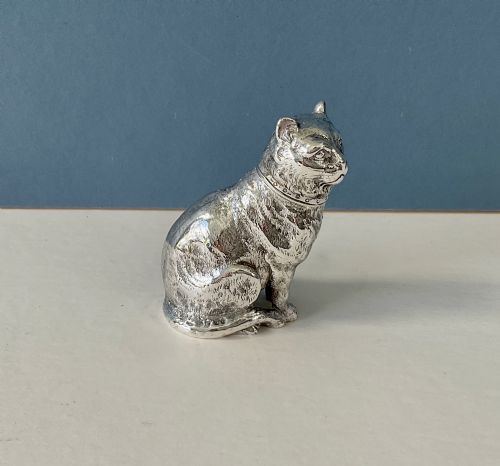
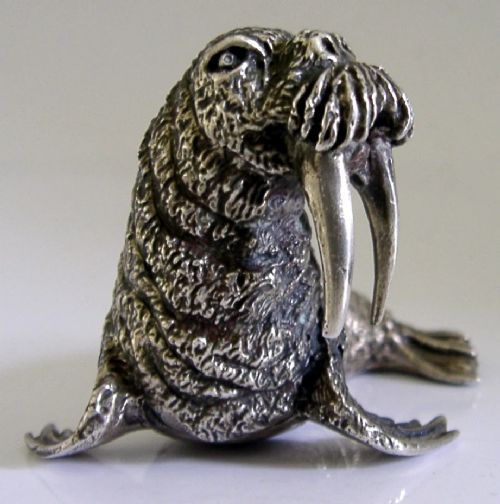
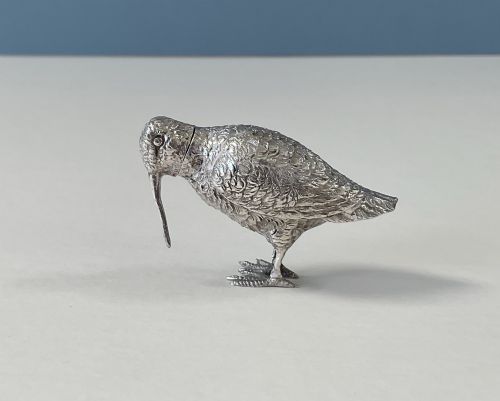
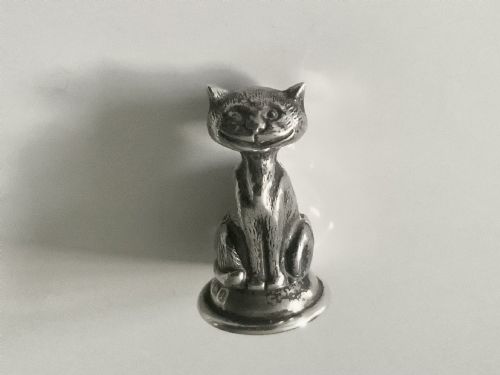
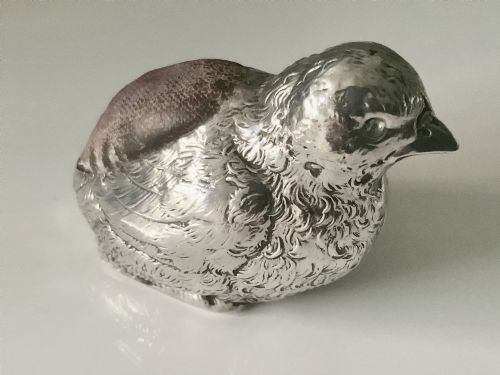
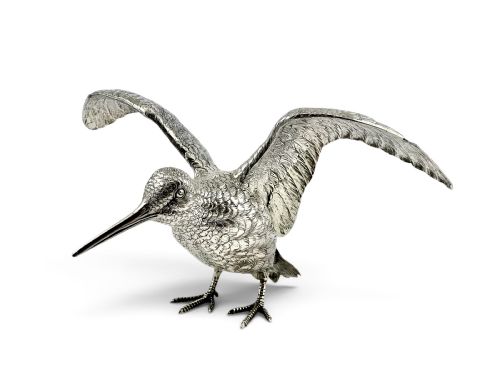
A sterling silver figurine spans functional objects and standalone display pieces created across the Victorian, Edwardian and mid-century periods. Buyers searching for a sterling silver figurine encounter animals, birds and human figures cast in metal, often functioning as pin cushions, pepper pots, pill boxes or menu holders.
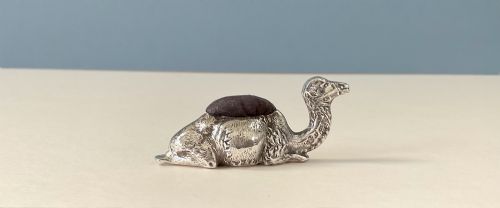
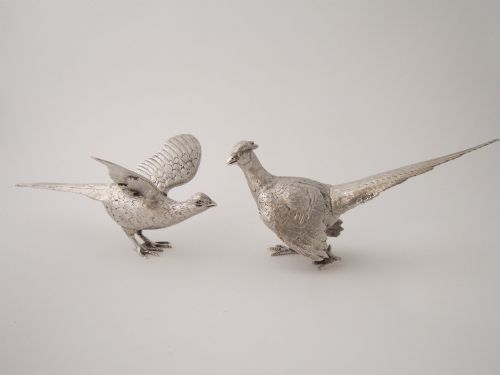
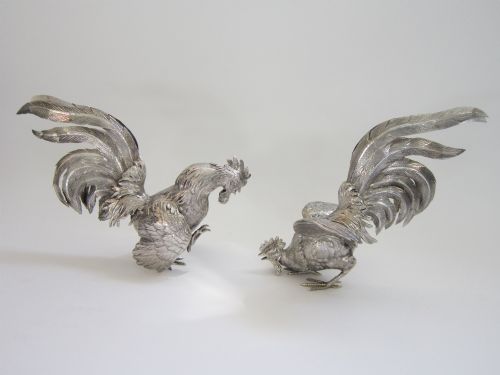
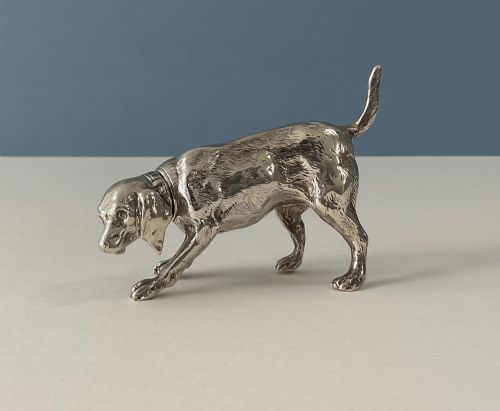
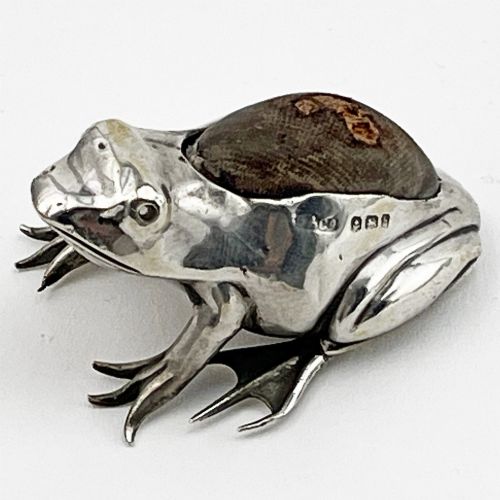
The selection ranges from Victorian novelty birds and salt shakers to Edwardian camels, frogs, ducks and dogs designed as pin cushions. Mid-century British and continental European works add running foxes, pheasants and fighting cockerels to the available forms.
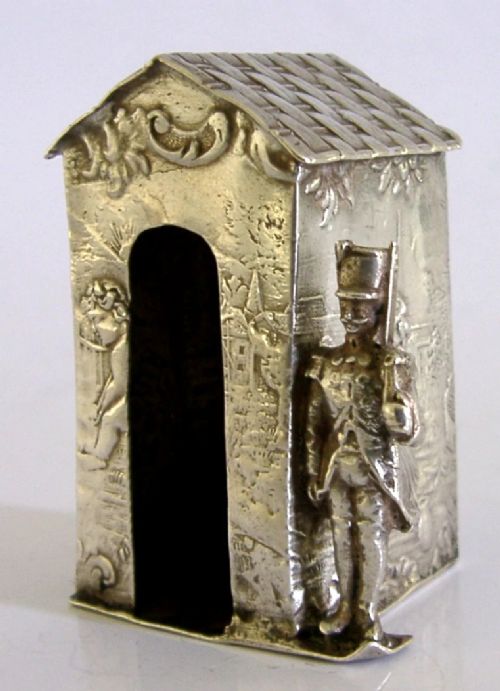
Makers utilised various scales, from miniature toy soldiers and sentry posts to heavier table ornaments and sugar boxes shaped like goats or squirrels. Many pieces integrate secondary materials such as velvet, wood, glass, leather and silk within pin cushions or fitted bases.
Assessing Quality
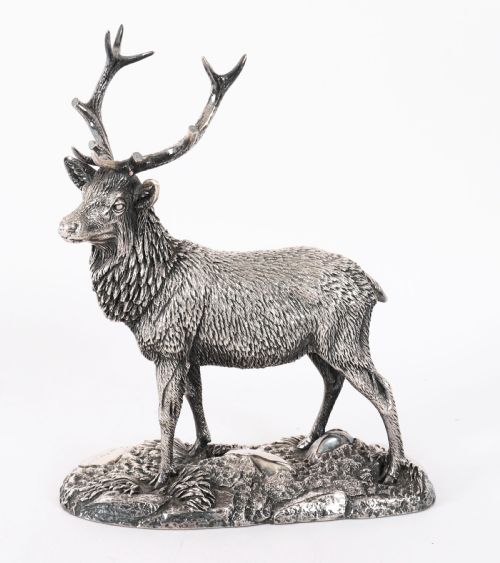
Quality depends on the crispness of the cast detail and the naturalism of the form, separating mass-produced novelties from finely modelled sculptures. Heavier metal weight and careful proportions distinguish superior animal figures and table ornaments.
The preservation of original textile elements, such as velvet or silk within pin cushions, influences the integrity of the piece. Clear hallmarks indicating maker marks and assay office stamps confirm the origin and date of the silver work.
Listings feature sterling silver figurines spanning Edwardian, Victorian, and mid-century periods, incorporating velvet, wood, and glass elements.
Tom Mackie·Levi & Salaman·Berthold Muller·Edward & John Barnard·Boaz Moses·Thomas Johnson·Mario Bucellati
The Sterling Silver Figurine Glossary
- Animalier
- A nineteenth-century artistic style focusing on the realistic portrayal of animals. This term describes sculptural figures that capture creatures in natural postures.
- Hallmark
- An official stamp struck into precious metals to indicate purity, maker and year of assay. These marks help identify the specific British or continental workshop behind a silver object.
- Novelty
- An item shaped in a humorous or unusual form that serves a practical secondary purpose. Common examples include animals functioning as pin cushions, pepper pots or menu holders.
- Pin Cushion
- A small domestic accessory stuffed with textile material to hold sewing pins. In silver pieces, the cushion is typically housed within the back or body of a cast animal figure.
Sterling Silver Figurine: Frequently Asked Questions
What is a sterling silver figurine used for?
These pieces function as decorative table ornaments, paperweights and cabinet displays. Many examples also serve practical domestic roles as pin cushions, pepper pots, pill boxes and menu holders.
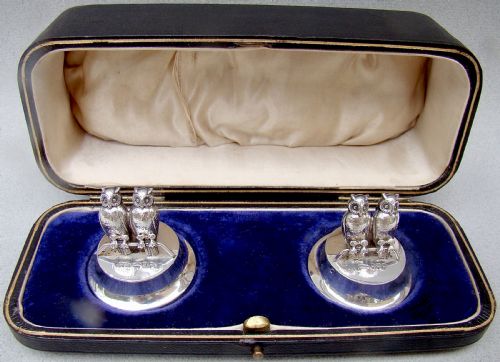
Victorian and Edwardian makers combined sculpture with utility, integrating textile pin pads or hollow compartments into animal and human forms. Collectors display them individually or as matched pairs across desk and tabletop settings.
How do I identify an Edwardian silver figurine?
Edwardian pieces often appear as novelty animal pin cushions, birds or miniature figures produced between nineteen hundred and nineteen ten. Examining the hallmarks provides the exact year of assay and the registering workshop.
Stylistic cues also help determine the period, as Edwardian silversmiths favoured whimsical animal forms like frogs, ducks, pigs and seated camels. These designs differ from later mid-century sculptures which often lean towards heavier, naturalistic animalier models.
What materials are found inside silver pin cushions?
Silver animal pin cushions typically contain a stuffed pad made from velvet, silk, fabric or leather. These materials were fitted securely into the hollow silver body to hold sewing pins safely.
Over time, the condition of the internal fabric can vary while the outer sterling silver casting remains intact. Collectors look for pieces where the original textile insert is well preserved.
Are continental silver figurines marked differently?
Continental silver pieces frequently display import marks alongside foreign maker stamps when brought into Britain. German and other European workshops produced distinct novelty soldiers, musicians and animal boxes.
These items often carry specific town marks or standard silver purity numbers rather than standard British assay office leopard heads or anchors. Recognising these foreign stamps helps trace the geographic origin of the piece.