



Sterling Silver Fiddle Pattern
Sterling silver fiddle pattern flatware brings the unadorned elegance of the nineteenth century straight to the dining table.
Sterling Silver Fiddle Pattern
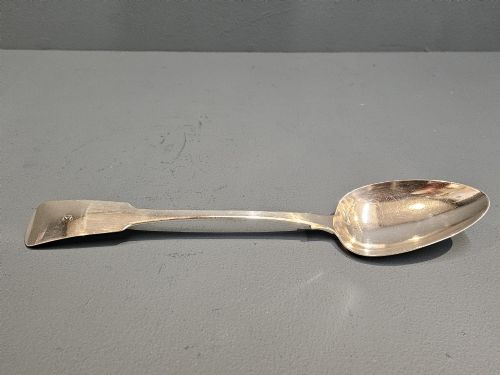
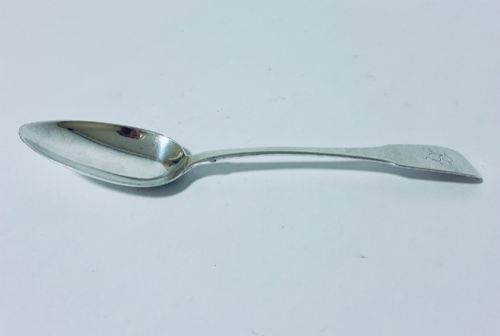
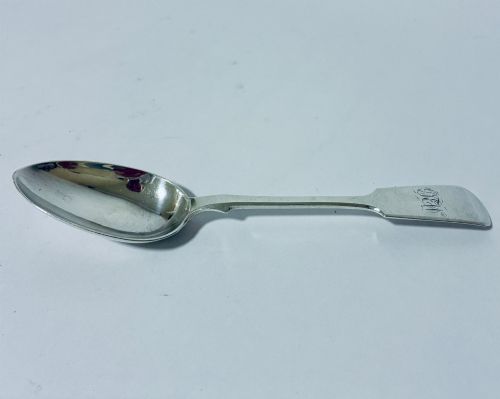
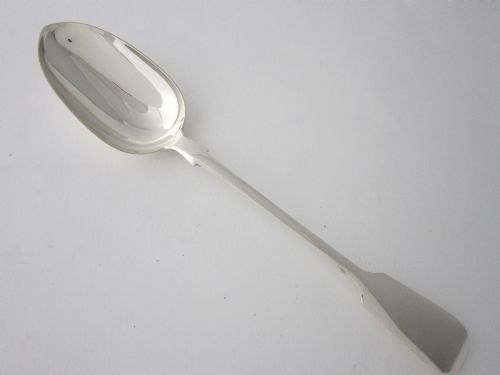
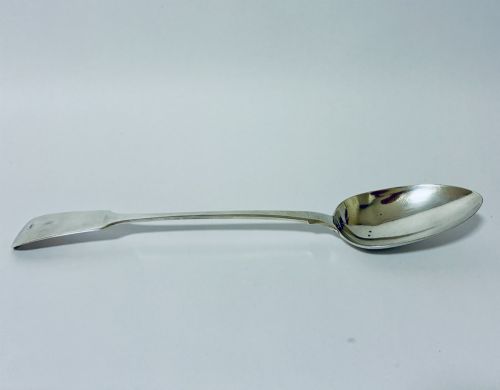
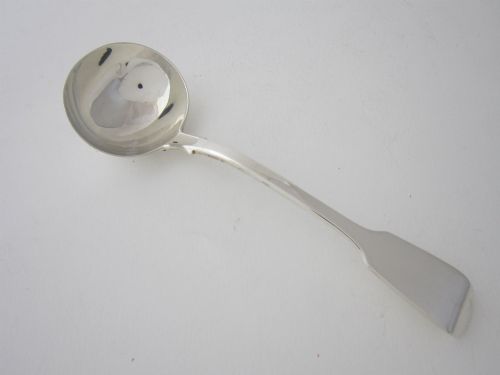
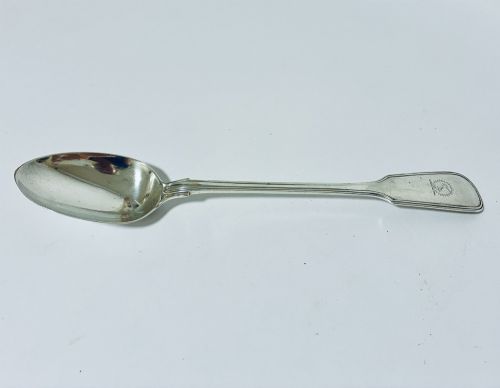
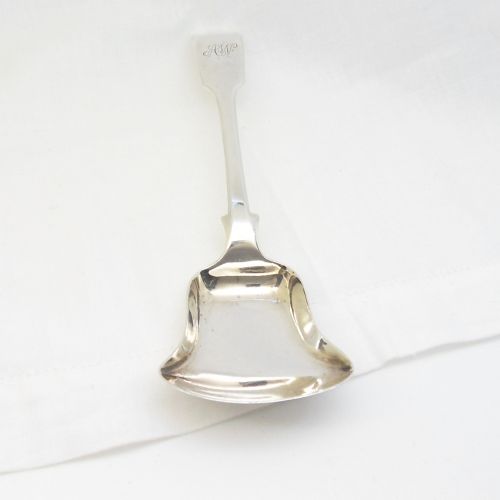
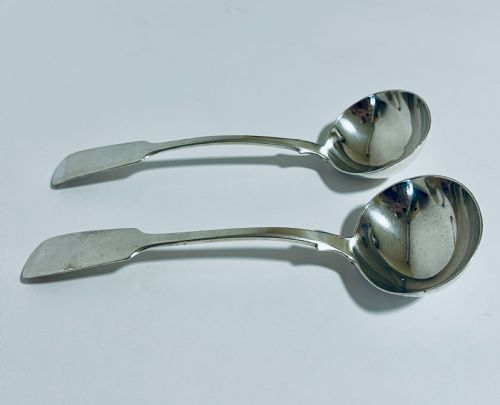
Sterling silver fiddle pattern items encompass functional cutlery and serving utensils spanning the Georgian, Regency, and Victorian periods. The handle shape widens sharply near the terminal in a contour that resembles a fiddle or violin, often featuring a distinct shoulder just before the bowl or tine junction.
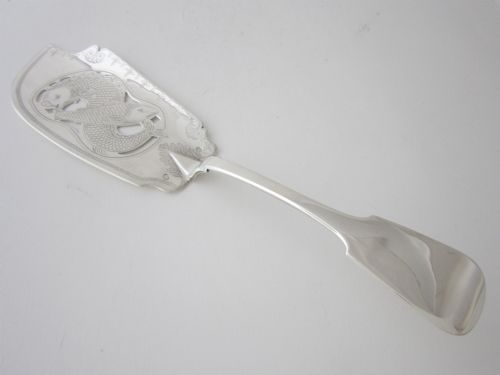
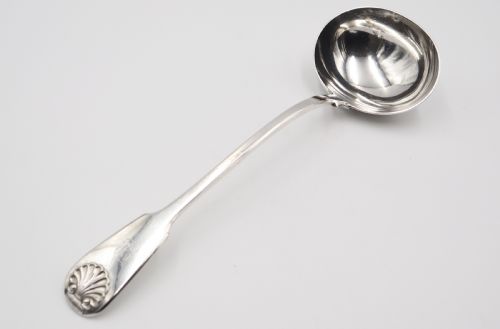
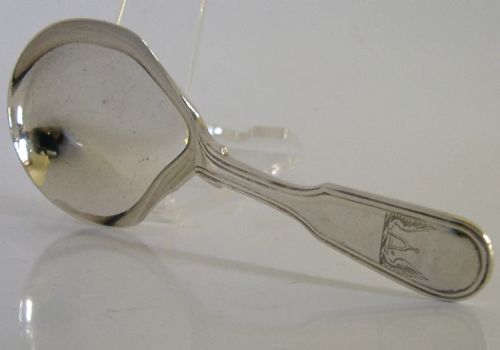
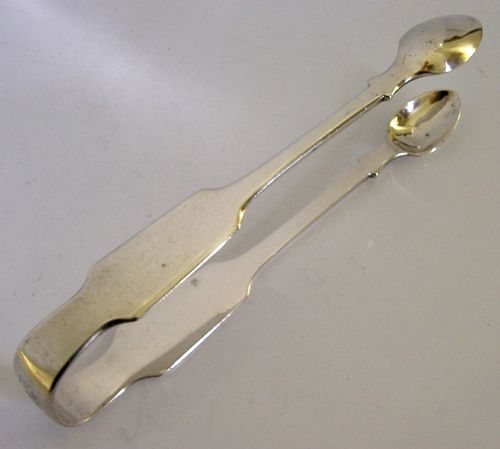
Most examples found on this page consist of serving spoons, tablespoons, dessert spoons, and tea spoons, alongside specialised implements like caddy spoons, sugar tongs, fish slices, and soup ladles. These pieces originate from London, Dublin, Edinburgh, and regional provincial assay offices across England, Ireland, and Scotland.
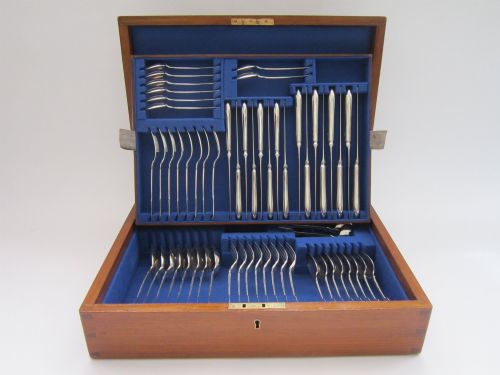
Buyers encounter individual items as well as matched sets and complete canteens intended for multiple persons. The form endures because its robust proportions and comfortable grip make it exceptionally practical for daily service.
Materials and construction
Makers shaped these objects from solid sterling silver, utilising hammering and casting techniques to achieve the characteristic weighted handles and balanced bowls. Some items incorporate secondary materials such as wood or velvet within fitted boxes or specific caddy and tong assemblies.
Provincial silversmiths and urban workshops applied punches for town marks, date letters, and maker initials directly onto the metal surface. Double-struck variants display the fiddle outline impressed on both sides of the handle for added definition.
Sterling Silver Fiddle Pattern Retail Price Guide 2026
Typical asking prices for sterling silver fiddle pattern among the pieces listed under this phrase on Sellingantiques today, from the lower quarter to the upper quarter. They describe what is for sale here now, not the wider market.
Listings feature sterling silver items from both Georgian and Victorian eras, including provincial pieces from Scotland and Ireland.
Differentiating quality in fiddle pattern silver
The standard of execution depends on the crispness of the fiddle shoulders and the retention of original bowl thickness through decades of use. Thicker metal at points of stress prevents bending and preserves the integrity of engraved family crests and initials.
Provenance and regional origin elevate individual pieces, particularly items bearing provincial marks from towns like Exeter, York, Newcastle, Inverness, or Dublin. Maker attribution to known workshops adds distinction to the surviving silver.
John Walton·Jamieson and Naughton·George Adams
The Sterling Silver Fiddle Pattern Glossary
- Fiddle pattern
- A nineteenth-century flatware style defined by shoulders on the stem just above the bowl and a flattened, expanding terminal.
- Assay office
- An official body that tested precious metals and stamped items with hallmarks to verify silver purity.
- Provincial mark
- A stamp applied by an assay office outside of London, indicating manufacture in regional centres such as Exeter, York, or Newcastle.
- Caddy spoon
- A small specialised spoon designed for measuring loose tea leaves into a caddy.
- Double struck
- A manufacturing method where dies imprint the pattern design on both the front and back of the flatware handle.
- Fish slice
- A wide, often pierced flatware utensil used for serving fish portions at the table.
Sterling Silver Fiddle Pattern: Frequently Asked Questions
How do I care for sterling silver cutlery?
Wash sterling silver items by hand in warm soapy water and dry them immediately with a soft cloth to prevent water spots.
Avoid using harsh abrasives or soaking the pieces for extended periods, and store them in a tarnish-resistant environment.
Can I use antique fiddle pattern everyday?
These utensils were built for regular dining service and handle daily use comfortably.
Hand washing preserves the finish and keeps the silver in stable condition for regular meals.
What is a family crest on silver?
Families often had their heraldic crests or initials engraved onto the handle terminals of their silver flatware.
These additions personalise the pieces and often provide clues to the original owning household.
How do I date a fiddle pattern spoon?
Look for the stamped date letter among the hallmarks located on the reverse of the handle or stem.
Comparing this letter against registered assay office charts reveals the exact year the piece was tested and marked.