


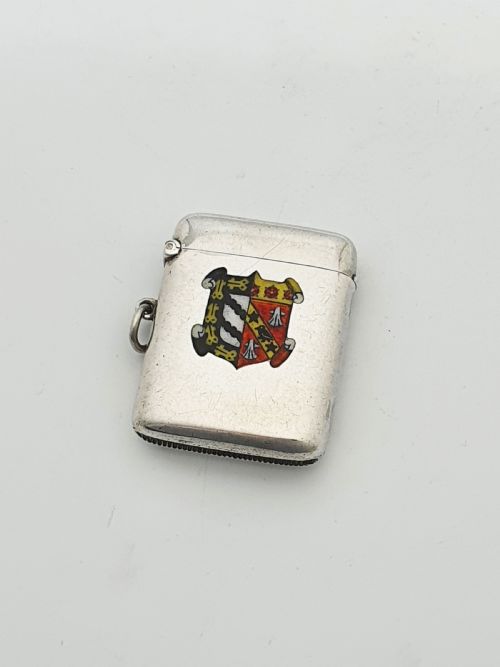


Sterling Silver Enamel Holder
A sterling silver enamel holder combines precious metal with vitreous colour, creating pocket and tabletop accessories from the Victorian era to the mid-twentieth century.
Sterling Silver Enamel Holder
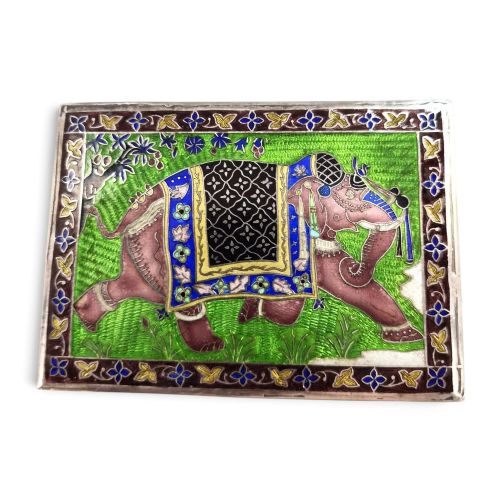
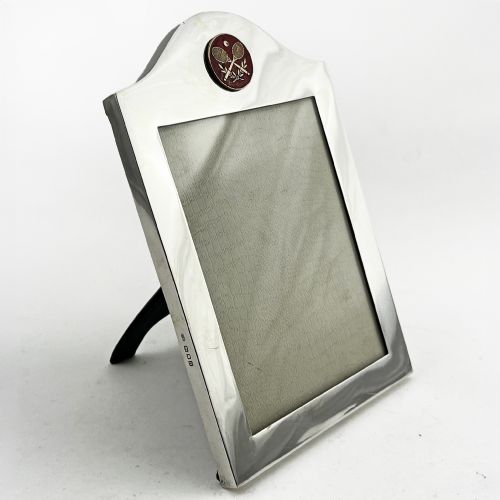
A sterling silver enamel holder encompasses a varied collection of functional small objects designed for the pocket, the desk or the dining table. These pieces include vesta cases, cigarette and cheroot cases, card cases, napkin rings, menu or place card holders, and trinket boxes.
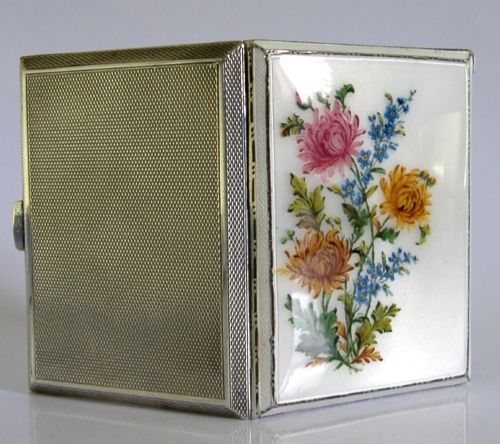
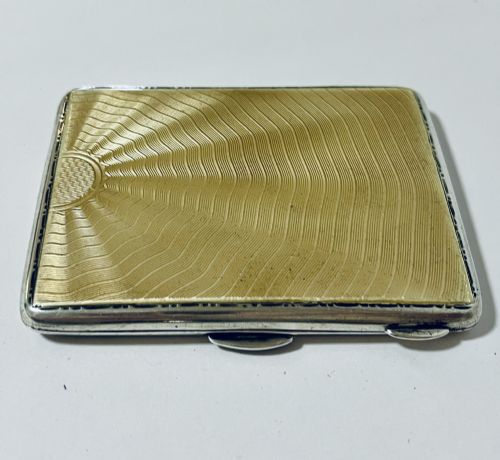
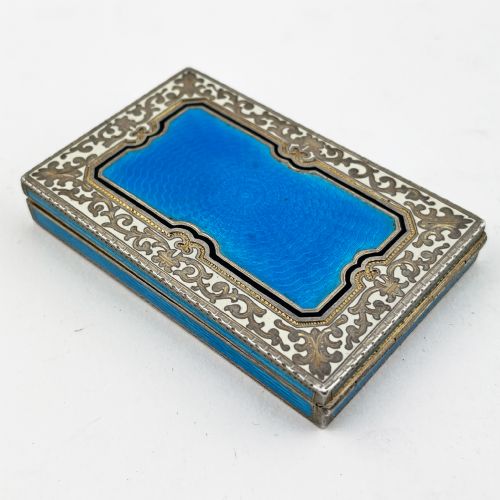
The selection ranges from Victorian examples bearing hand-painted floral or animal subjects to Art Deco and Edwardian designs featuring geometric guilloche patterns or crested insignia. Makers span British workshops, Continental makers, and specific firms such as Liberty & Co and David Andersen.
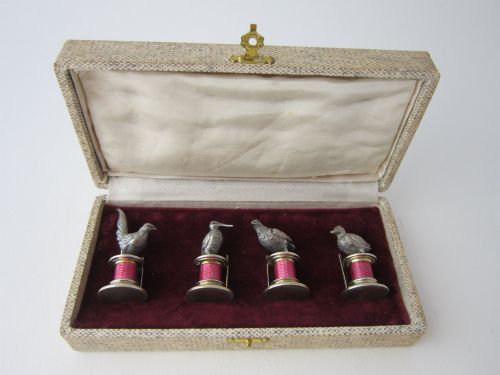
Buyers will most frequently encounter pocket vesta cases and tabletop place card holders in these listings, alongside cigarette and card cases formed from sterling silver and finished with coloured enamel surfaces.
Materials and Technique
Makers formed these items using sterling silver as the structural base, often applying gilding to the interior or exterior surfaces in select Scandinavian and Continental pieces. Glass-based vitreous enamel or guilloche enamel was then fused to the metal ground through high-temperature firing.
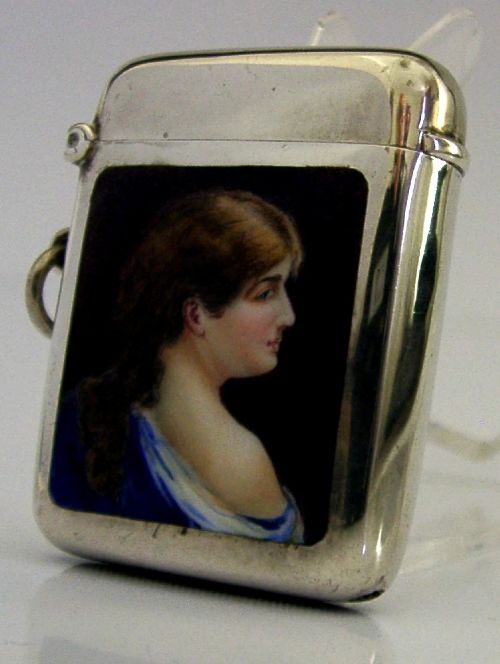
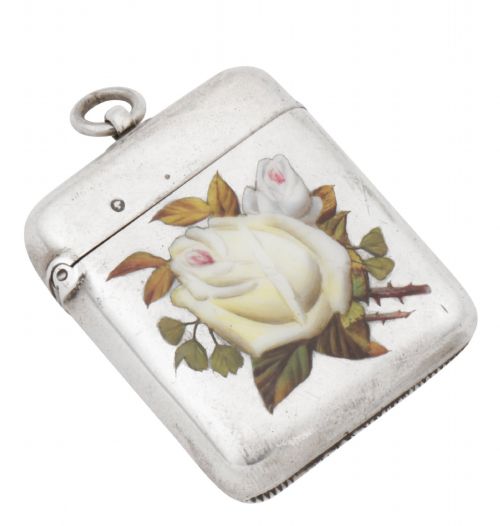
Surface decoration combined metallic smithing with hand painting, particularly on Victorian vestas featuring detailed canine portraits or floral sprays. Geometric patterns utilised machine-turned guilloche grounds beneath translucent coloured enamels to create light-reflecting textures.
Several antique vesta cases feature hand-painted portraits of individual dogs, including a named jockey's mount in specific racing colours.
Assessing Quality
Quality rests upon the precision of the silver smithing and the execution of the enamel work. Superior pieces display crisp hand-painted detail or even, unblemished translucent guilloche surfaces without disruption to the underlying metal texture.
The sophistication of the subject matter and the reputation of the maker elevate certain examples above standard production. Pieces featuring complex figural subjects, specialised sporting themes, or established design houses demonstrate higher manufacturing ambition.
William Neale·Liberty and Co·David Andersen
The Sterling Silver Enamel Holder Glossary
- Vesta case
- A small pocket container designed to hold wax matches, typically fitted with a striking serration on the base. These items often feature hinged lids and engraved or enamelled bodies.
- Guilloche enamel
- A decorative technique where an intricate mechanical pattern is engraved into the silver beneath a translucent layer of coloured enamel. This allows light to reflect through the vitreous surface.
- Vitreous enamel
- A material made by fusing powdered glass to a metallic substrate at high temperatures. The resulting coating provides a durable, glossy coloured finish.
- Menu or place card holder
- A small desk or dining accessory used to display table cards or menus during formal meals. They frequently take the form of animals, sporting motifs, or architectural subjects.
- Cheroot case
- A slim rigid container made to protect short open-ended cigars known as cheroots. They are often lined with materials such as silk or velvet to safeguard the contents.
Sterling Silver Enamel Holder: Frequently Asked Questions
What is a vesta case used for?
A vesta case served as a portable container for holding wax matches safely in the pocket before the widespread availability of safety matches.
The hinged box protected the matches from moisture and accidental ignition while providing a textured striking surface on the exterior base.
What were place card holders used for?
Place card holders were utilised at formal dining tables to indicate seating arrangements for guests during large dinners and banquets.
They held small cards inscribed with the attendee's name and often matched the decorative theme of the table service.
How are different periods told apart?
Periods are distinguished by stylistic markers, manufacturing techniques, and official hallmarks stamped onto the sterling silver components.
Victorian pieces often display hand-painted floral or animal subjects, whereas Art Deco examples favour geometric guilloche patterns and streamlined forms.