

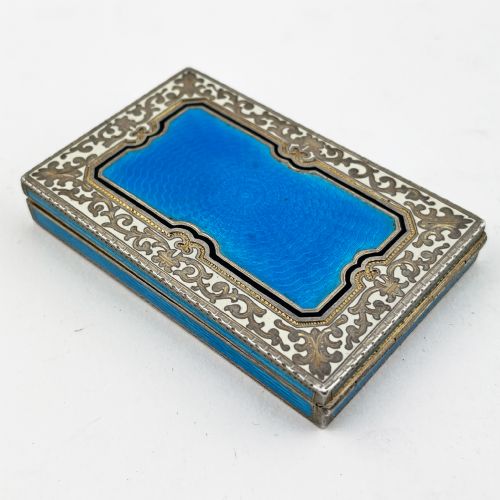


Silver Enamel Cigarette Box
A silver enamel cigarette box is a portable metal container designed for tobacco, finished with colourful glasswork that catches the eye.
Silver Enamel Cigarette Box
A silver enamel cigarette box brings together precious metal construction and decorative glass surfaces designed to hold smoking requisites securely. Collectors hunting for a silver enamel cigarette box will find pieces spanning the nineteenth century through the mid-twentieth century, encompassing Edwardian, Art Deco, and Arts and Crafts designs.
The objects take the form of small rectangular containers, card cases, vesta cases, and combination compacts intended for pocket or desk use. Origin examples range from British workshops such as Liberty & Co to continental European, Russian, Indian Colonial, and Chinese makers.
Materials and construction methods
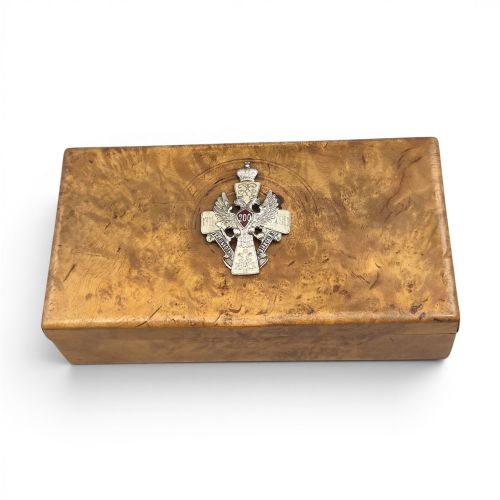
Makers fashioned the structural bodies primarily from sterling silver, silver-gilt, and occasionally gold, sometimes pairing the metal with Karelian birch or interior wood linings. Vitreous enamel and hand-painted coloured glass applications were fused to the metal bases through firing.
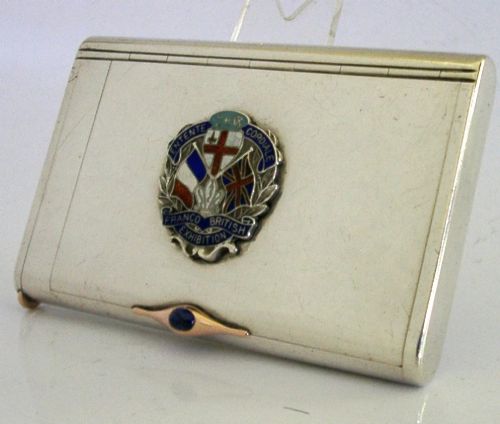
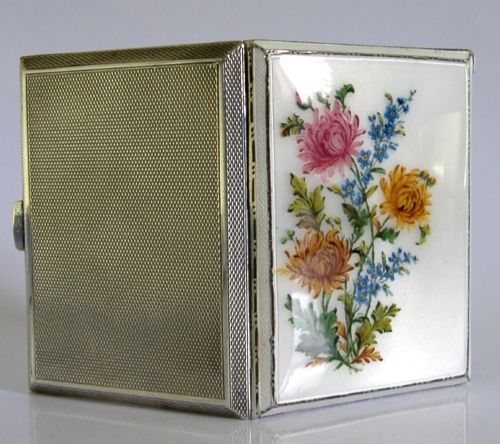
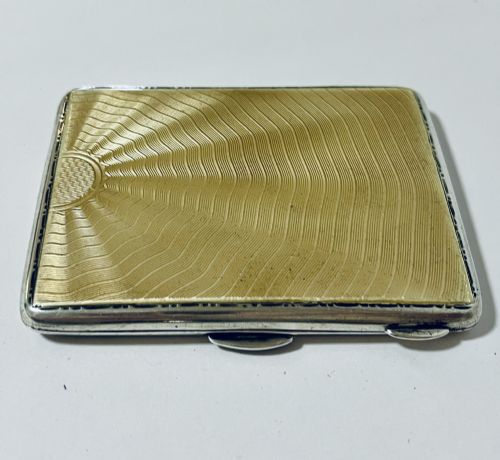
Techniques varied from shaded cloisonné work to plain translucent coloured coatings over engine-turned or hand-painted surfaces, particularly visible in floral chrysanthemums and regimental motifs.
Listings feature items incorporating sterling silver, vitreous enamel, Karelian birch, and gold across Edwardian, Art Deco, and mid-century styles.
Distinctions in craftsmanship and finish
Quality rests in the precision of the metal hinges, the snugness of the closure, and the condition of the vitreous enamel surface. Pieces with intact, hand-painted details or intricate cloisonné patterns show a higher level of artisan skill than plain metal work.
The distinction between standard commercial production and superior output lies in the weight of the silver-gilt and the clarity of the coloured glass panels without chipping or stress fractures.
LIBERTY & CO·Khlebnikov·Percy Edwards·Alfred Dunhill
The Silver Enamel Cigarette Box Glossary
- Cloisonné enamel
- A technique where thin metal wires are soldered to a metal base to form compartments, which are then filled with coloured glass paste and fired. This method creates distinct cellular patterns across the surface.
- Sterling silver
- An alloy consisting of silver and other metals, usually copper, formulated to increase durability while maintaining a bright metallic lustre. Most British and international boxes use this standard.
- Vitreous enamel
- A material made by fusing powdered glass to a substrate by firing, usually between seven hundred and nine hundred degrees Celsius. The powder melts and flows to form a smooth, durable coating.
- Silver-gilt
- Silver that has been coated with a thin layer of gold on its surface, providing a rich yellow-gold appearance over a silver base. This finish appears frequently on Russian pieces.
- Engine-turned
- A mechanical decoration technique used to engrave intricate geometric patterns into metal surfaces beneath translucent enamel. It provides texture and depth to the colour.
Silver Enamel Cigarette Box: Frequently Asked Questions
What were these silver boxes originally used for?
These containers were made to hold cigarettes, cheroots, or calling cards safely in pockets or on dressing tables.
Wealthy smokers carried them daily as personal accessories that signalled status and taste.
How do I date an enamel cigarette box?
Dating relies on hallmarks stamped into the silver, stylistic clues like Art Deco geometry, and manufacturer marks.
Period details such as Edwardian floral motifs or mid-century minimalism provide further chronological markers.
Are all these boxes made of solid silver?
Most pieces utilise sterling silver or silver-gilt, though some incorporate gilt metal, wood interiors, or Karelian birch bodies.
Assay marks and hallmarks stamped on the metal components clarify the exact composition of individual items.
How should I care for antique enamel?
Enamel requires gentle handling because glass surfaces can chip or crack if dropped against hard objects.
Cleaning should involve soft cloths without abrasive polishes that might scratch the delicate vitreous finish.