

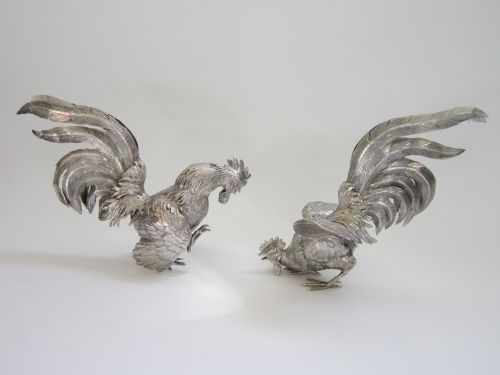


Sterling Silver Animal Figurine
These sterling silver animal figurine pieces combine miniature sculpture with practical desk and dining objects from Victorian and Edwardian workshops.
Sterling Silver Animal Figurine
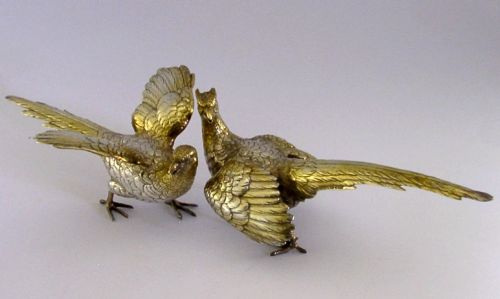
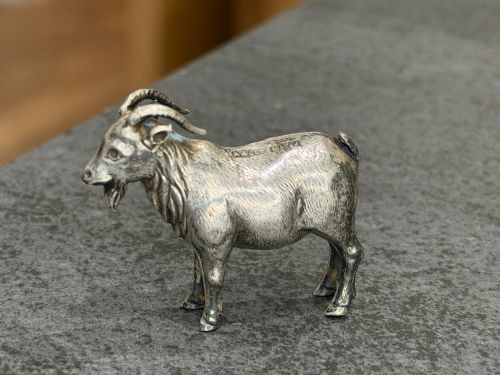
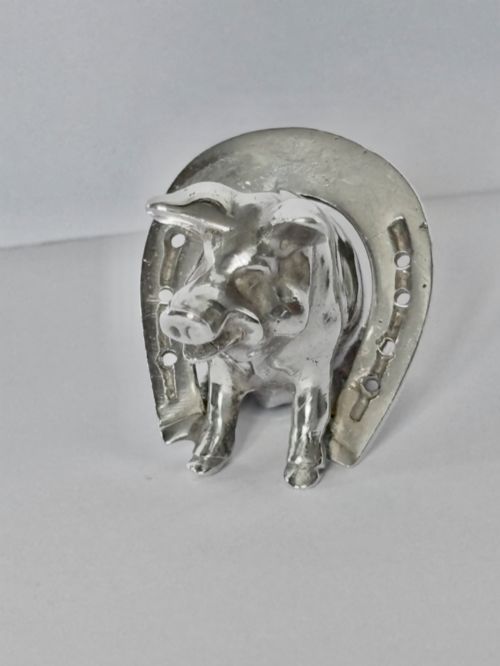
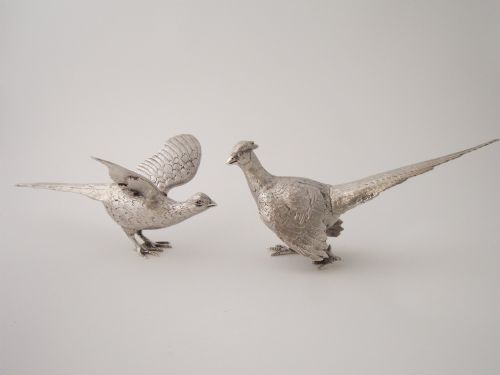
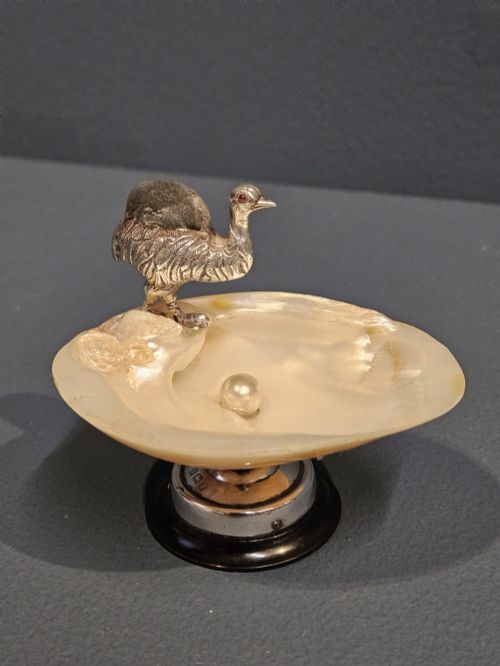
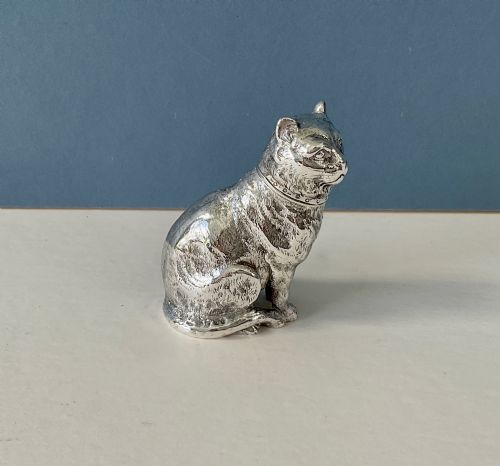
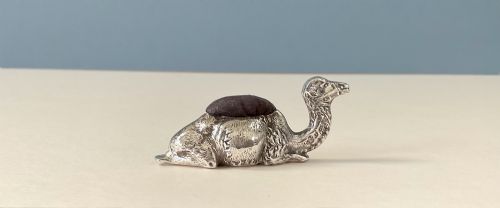
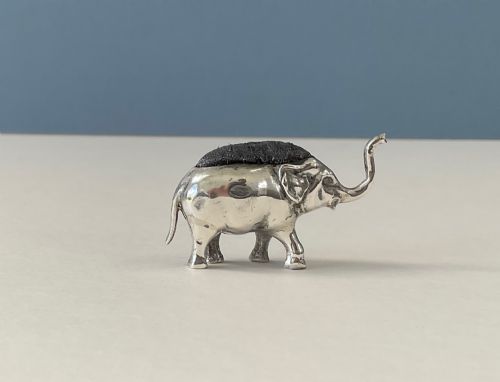
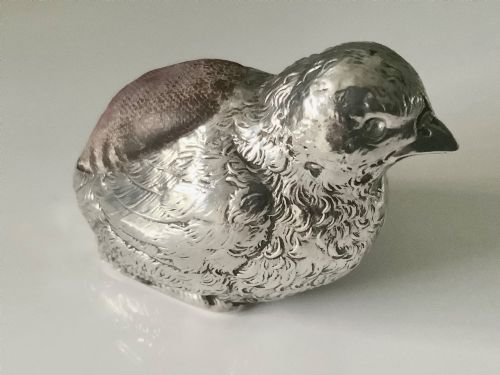
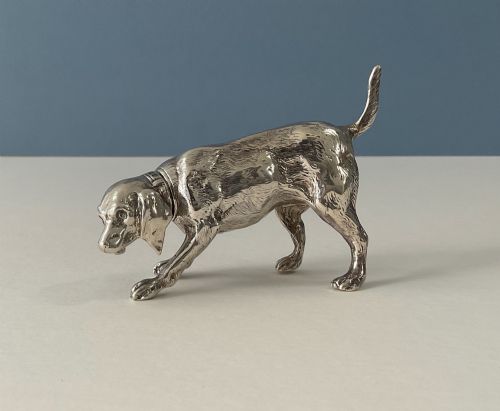
A sterling silver animal figurine takes many domestic forms, most frequently appearing as novelty pin cushions, pepper pots, and table ornaments fashioned as dogs, birds, and larger beasts. These pieces span periods from late Victorian and Edwardian eras through to mid-century British and continental designs.
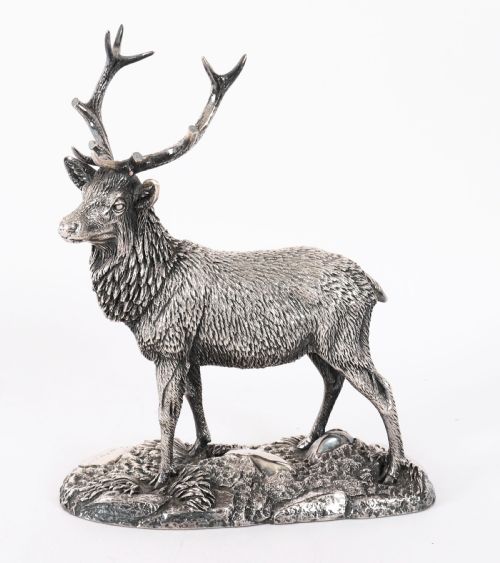
The pin cushions often utilise velvet or fabric inserts alongside the metal body, whilst table ornaments and condiment sets stand independently or upon ebonised wood and black ebony plinths. Buyers encounter miniatures depicting camels, stags, cockerels, and pugs amongst the listed inventory.
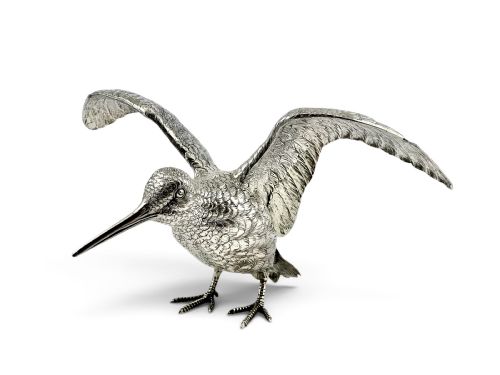
Continental examples sit alongside British hallmarked pieces, showing a clear division between functional dining items like pepperettes and purely decorative sculptures or novelty boxes.
Assessing quality
Quality rests upon the crispness of the casting and the naturalism of the animal's posture, separating standard production pieces from finely chased examples.
The integrity of secondary materials, such as the original velvet in pin cushions or the stability of mounted plinths, influences the overall standard of survival.
Sterling Silver Animal Figurine Retail Price Guide 2026
Typical asking prices for sterling silver animal figurine among the pieces listed under this phrase on Sellingantiques today, from the lower quarter to the upper quarter. They describe what is for sale here now, not the wider market.
Several silver creatures double as pepper pots, ensuring your dining table is guarded by fierce metallic cockerels and owls.
Tom Mackie·Berthold Muller·Mario Bucellati
The Sterling Silver Animal Figurine Glossary
- Pin Cushion
- A small decorative object incorporating a fabric pad used to hold sewing pins. These items often take the form of miniature animals during the Edwardian period.
- Novelty Pepper
- A condiment container shaped to resemble an animal or inanimate object. Victorian examples frequently double as functional table ornaments.
- Animalier
- A nineteenth-century artistic style focusing on the realistic depiction of animals. Sculptures in this style prioritise anatomical accuracy.
- Silver Gilt
- Silver that has been coated with a thin layer of gold on its surface. This technique provides a warm tone to the interior or exterior of silver objects.
- Plinth
- A heavy base or block upon which a sculpture or figure is mounted. Ebony and ebonised wood versions frequently support freestanding silver animals.
Sterling Silver Animal Figurine: Frequently Asked Questions
What were silver animal pin cushions used for?
Victorians and Edwardians kept these miniature figures on dressing tables and sewing desks to hold pins close at hand. The combination of utility and whimsical design made them popular desk accessories.
Craftsmen formed the bodies from sterling silver while inserting fabric or velvet into the upper section to receive the pins safely.
How do I identify Victorian animal pepper pots?
Makers shaped these condiment vessels as owls, dogs, and cockatoos with removable heads or threaded bases for filling. They sat on dining tables as both functional tableware and conversation pieces.
Examination of the hallmarks on the base or bezel reveals the precise year of assay and the workshop responsible for the piece.
What is an animalier silver sculpture?
This term describes naturalistic representations of animals produced with close attention to muscular structure and movement. Artists working in this tradition captured beasts in dynamic or resting poses.
Such figures range from small desk ornaments to larger cast sculptures mounted independently or upon wooden plinths.
Are continental silver figures marked differently?
Continental pieces often bear foreign standard marks and importer's stamps rather than standard British assay office marks. These stamps indicate the purity of the silver and the country of origin.
Many continental workshops specialised in figural boxes and standing bird groups exported to the British market.