

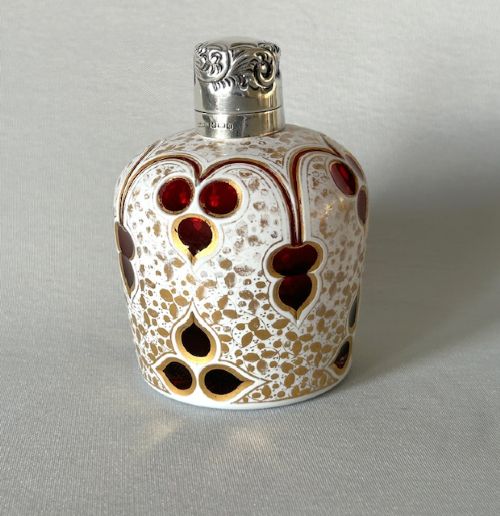
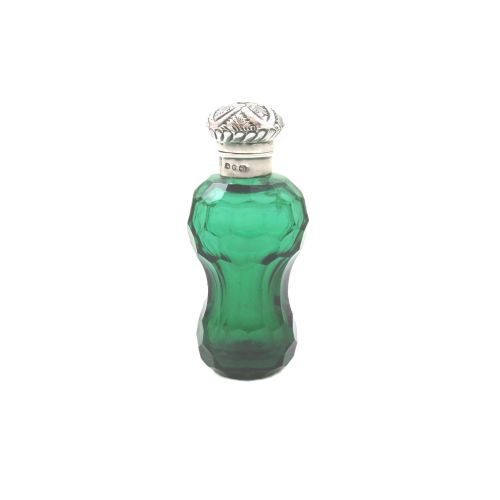


Sterling Mounted Glass Bottle
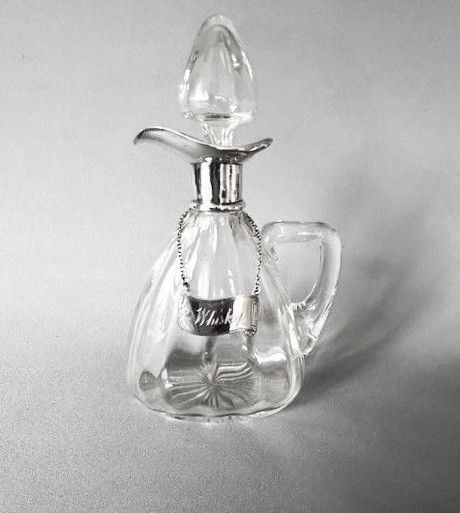
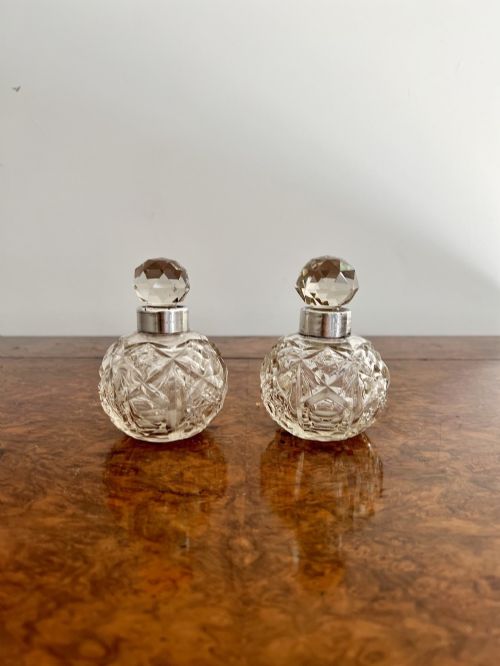
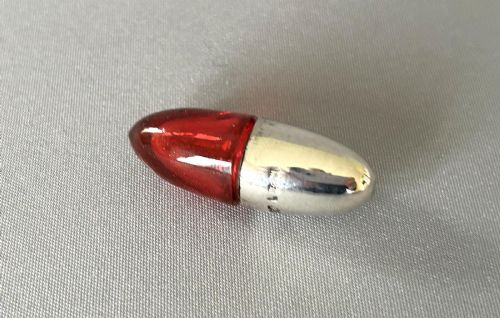
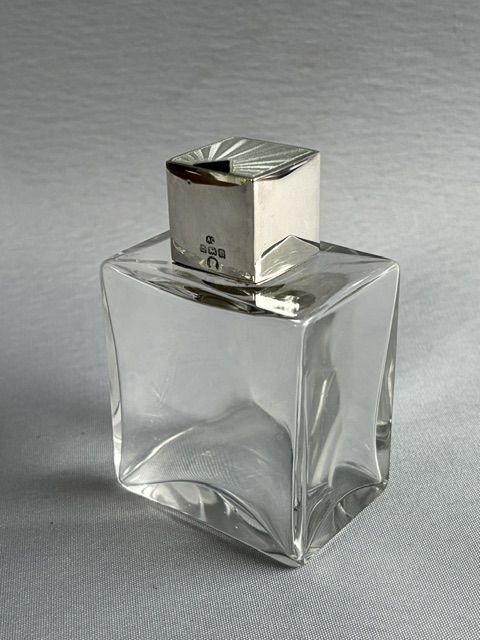
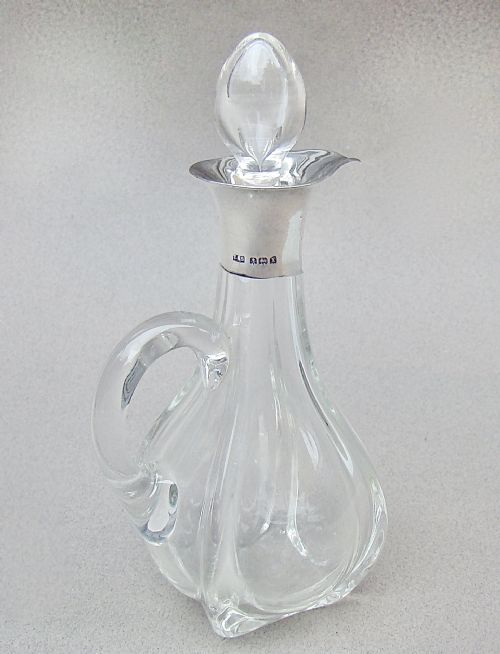
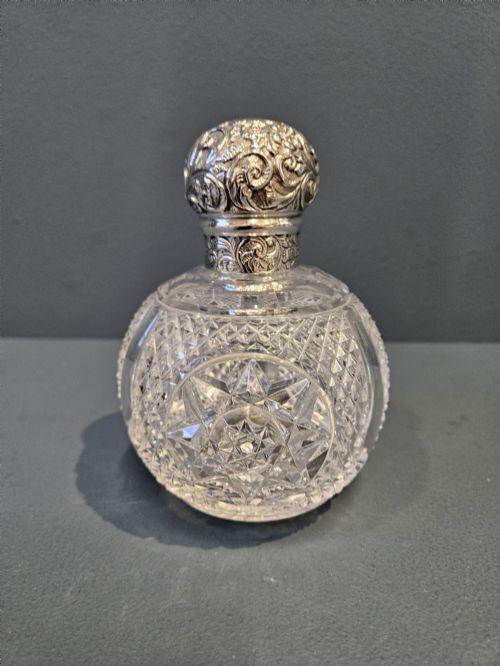
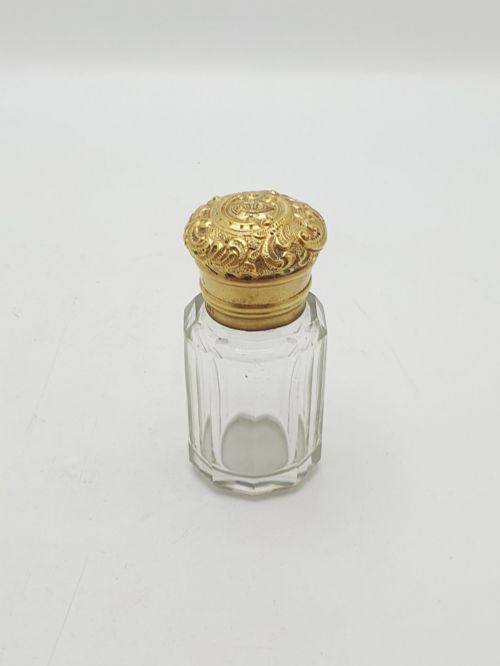
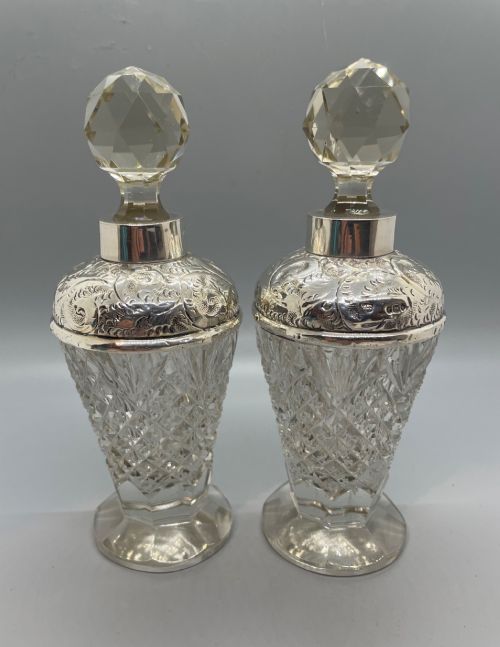
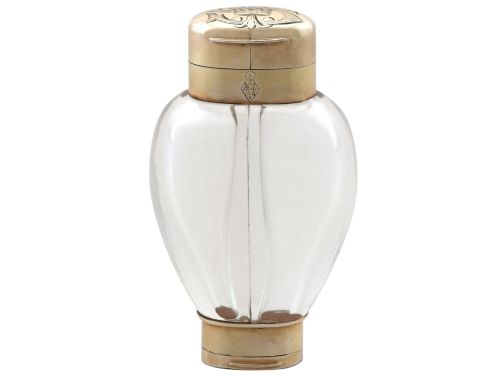
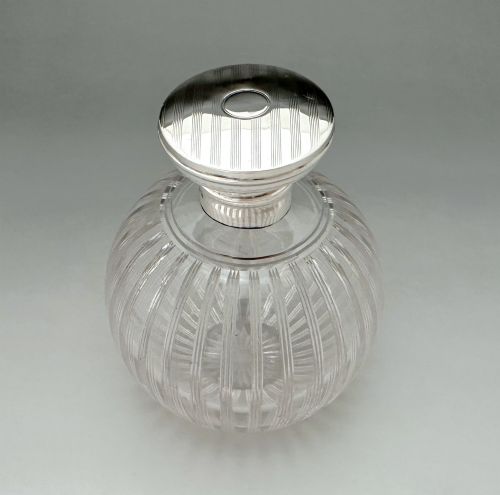
These sterling mounted glass bottle pieces combine heavy lead crystal and bright precious metal to hold scent, spirits, and dressings on the dressing table.
Sterling Mounted Glass Bottle
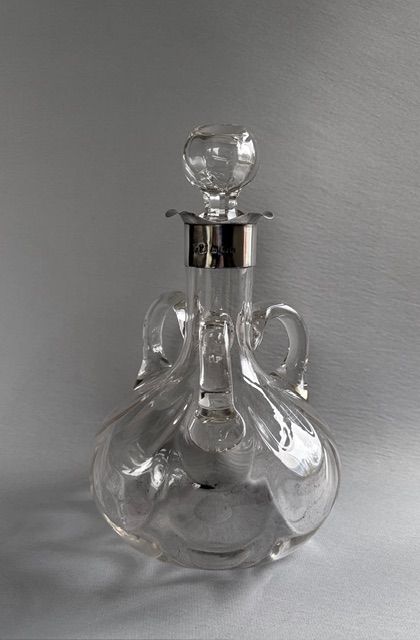
A sterling mounted glass bottle serves practical and decorative functions across the nineteenth and early twentieth centuries. Scent bottles, decanters, cruet bottles, and spirit flasks dominate the selection, spanning Victorian, Edwardian, and Art Deco periods.
Victorian examples frequently pair deep cut crystal or coloured glass with intricate repoussé silver tops. Edwardian and George V pieces lean toward cleaner lines, while Art Deco items introduce enamel and geometric collars.
Dressing table accessories and pocket scent flasks appear regularly alongside larger oil and vinegar bottles and whisky jugs. Most pieces hail from English workshops spanning the 1850s to the 1930s.
Materials and Technique
Glass bodies take shape through blowing and cutting, yielding clear crystal, flash cranberry, emerald green, and ruby glass. Heavy wheel-cutting creates deep facets that catch the light, contrasting with smooth or etched inner chambers.
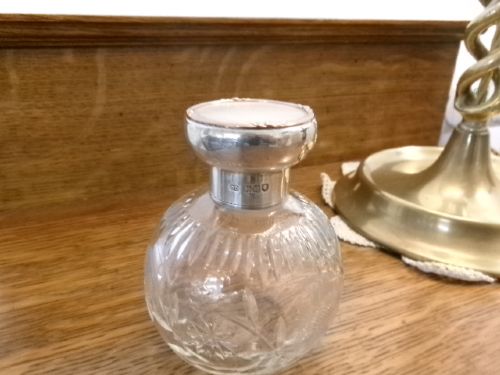
Silver mounts are shaped from sterling silver, occasionally utilising silver-gilt or enamel accents. Silversmiths hammer, spin, or cast the collars and lids to fit snugly over bottle necks, securing them with hinged mechanisms or threaded screw caps.
Sterling Mounted Glass Bottle Retail Price Guide 2026
Typical asking prices for sterling mounted glass bottle among the pieces listed under this phrase on Sellingantiques today, from the lower quarter to the upper quarter. They describe what is for sale here now, not the wider market.
Listings feature Victorian, Edwardian, and Art Deco eras, utilising sterling silver, cut crystal, cranberry glass, and enamel.
Design and Execution
The weight and depth of the glass cutting dictate the baseline of physical substance, with sharper facets and heavier crystal sitting above lighter, moulded vessels. Silver mounts show quality through gauge thickness and the crispness of hand-engraved or embossed decoration.
Makers' marks provide a clear indicator of origin, linking pieces to established silversmiths rather than generic production. Intact internal stoppers and functional locking mechanisms separate complete, well-preserved examples from altered or incomplete survivors.
Levi & Salaman·Barnsley & Co·Adie Brothers Ltd
The Sterling Mounted Glass Bottle Glossary
- Sterling Silver
- An alloy of silver containing 925 parts pure silver per 1,000 parts, standard for British hallmarked tablewares and mounts. This metal provides the durable collar holding the bottle closure.
- Cut Crystal
- Glass containing lead oxide that increases refractive index and weight, allowing deep geometric cuts. This material forms the prismatic body of many perfume and spirit containers.
- Silver-Gilt
- Sterling silver that has been plated with a thin layer of gold, giving a warm yellow tone. This finish appears inside or over selected Victorian scent bottle mounts.
- Vinaigrette
- A small ornamental box or bottle with a perforated inner grille, containing a sponge soaked in aromatic vinegar. These portable accessories sit alongside standard perfume vessels.
- Cruet Bottle
- A small glass container fitted with a silver pourer, designed for oil or vinegar at the dining table. These items often travel in matched pairs or small frames.
Sterling Mounted Glass Bottle: Frequently Asked Questions
How do I date a silver mounted glass bottle?
British silver mounts carry hallmarks indicating the assay office, date letter, and sterling standard. These stamps provide an exact year of manufacture for the metal collar.
Stylistic cues such as faceted Victorian cutting or geometric Art Deco enamel help corroborate the period of the glass body.
Are original glass stoppers important?
Original inner stoppers ensure that volatile liquids like perfume or spirits remain sealed inside the vessel. Finding a matching glass stopper preserves the historical integrity of the piece.
Many surviving bottles retain their fitted components, though replacements occasionally occur over decades of use.
How should I clean coloured glass?
Warm water and mild soap clean the exterior safely without harming silver mounts or delicate interior residue. Harsh chemical dips ruin antique silver hallmarking and damage coloured glass surfaces.
Soft brushes clear dust from deep crystal facets and engraved silver collars.
What is the difference between a scent bottle and a decanter?
Scent bottles are scaled for perfumes and dressing table use, featuring tight screw or hinged lids for volatile liquids. They often incorporate internal glass stoppers or vinaigrette grates.
Decanters and spirit flasks are built larger for serving wine and liquor at the table or sideboard, using wider pouring rims.