






Sterling Grape Scissors
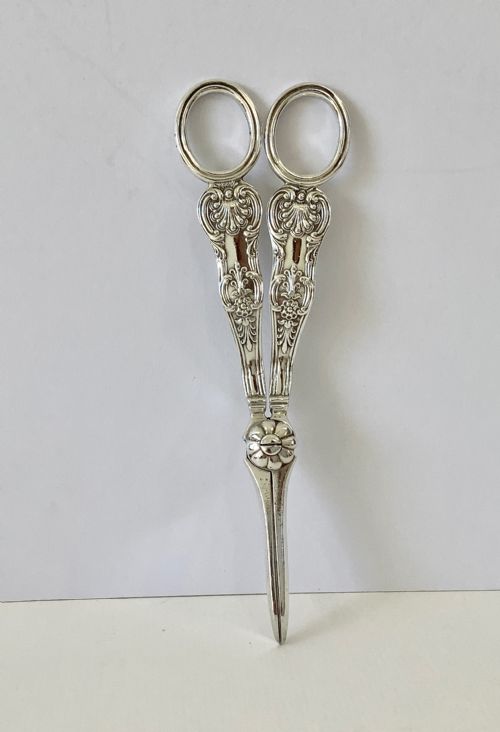
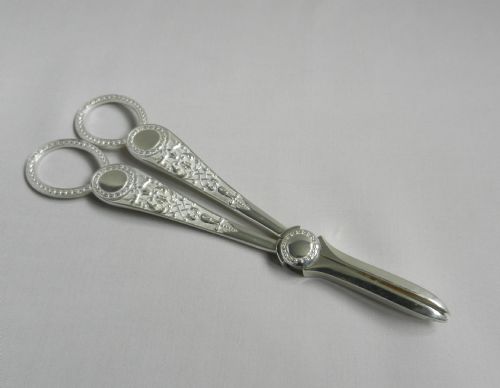
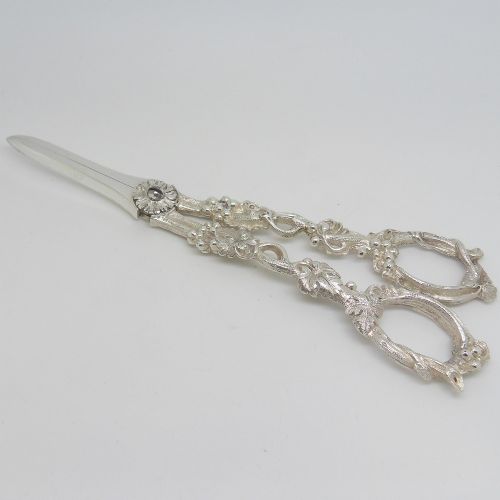
Sterling grape scissors are specialised dining implements designed for severing clusters of fruit, combining functional metalwork with decorative organic motifs.
Sterling Grape Scissors
Sterling grape scissors represent a refined form of tableware engineered specifically for the formal dining table. When you examine sterling grape scissors, you encounter specialised cutting implements designed to harvest small portions of fruit without disturbing the main cluster.
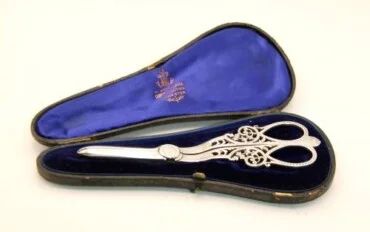
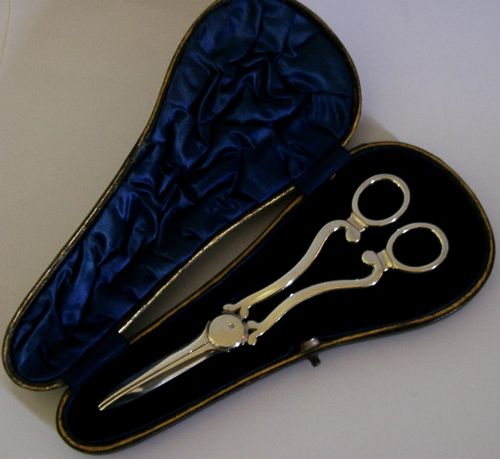
The pieces available span various periods from the nineteenth century through to the mid-twentieth century, encompassing Victorian, Edwardian, and William IV eras. Most examples take the form of dedicated grape shears or scissors, occasionally accompanied by fitted velvet, leather, or satin cases.
Materials and construction
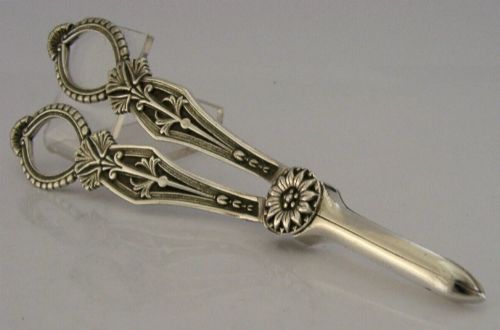
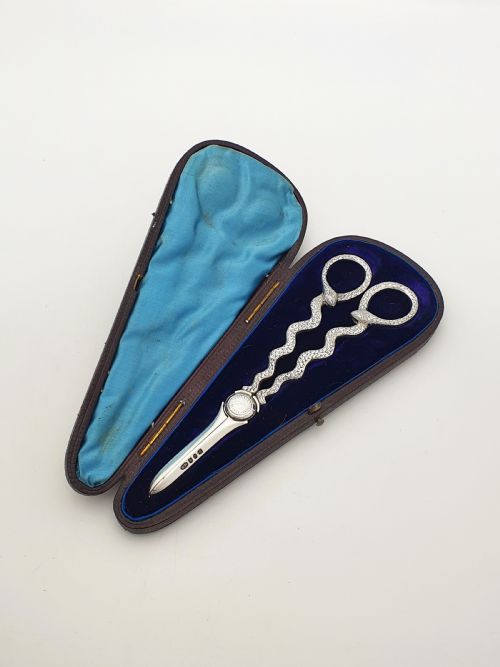
Makers utilised sterling silver and silver gilt, employing casting techniques to create elaborate handles adorned with grape vine decoration or distinctive snake motifs. The metalwork relies on solid silver construction, sometimes enhanced with partial gilding to the interior of the blades or bowls.
Presentation pairs frequently incorporate protective fitted containers lined with silk, velvet, or leatherette, safeguarding the delicate metalwork. The physical structure balances sturdy cutting edges with ornamental handles that reflect prevailing Gothic Revival or classical styles.
Sterling Grape Scissors Retail Price Guide 2026
Typical asking prices for sterling grape scissors among the pieces listed under this phrase on Sellingantiques today, from the lower quarter to the upper quarter. They describe what is for sale here now, not the wider market.
The listings span the Victorian, Edwardian, and William IV periods, featuring materials such as sterling silver, velvet, leather, and silk.
Distinctions in quality
Quality in these implements rests upon the crispness of the cast ornamentation and the substantial weight of the silver used in the handles. Heavier examples demonstrate a more generous use of material, whereas finer specimens exhibit detailed chased or cast vine motifs that display superior craftsmanship.
The presence of original fitted cases lined with satin or velvet adds a distinct dimension of completeness to certain pieces. Furthermore, the reputation of specific silversmiths and clear hallmarks indicating London or Sheffield origins elevate the standing of individual examples.
Charles Reily and George Storer·Paul Storer·Chawner and Co·C.J. Vander
The Sterling Grape Scissors Glossary
- Sterling silver
- A silver alloy containing 92.5 percent pure silver by mass, representing the standard metal used for these dining implements.
- Silver gilt
- Sterling silver that has been coated with a thin layer of gold, often applied to the cutting blades of grape shears.
- Hallmark
- An official stamp applied by an assay office indicating the purity of the metal, the maker, and the year of manufacture.
- Gothic Revival
- An architectural and decorative style popular during the nineteenth century that heavily influenced the ornamentation of tableware.
- Cast silver
- Metal shaped by being poured into a mould, allowing makers to produce intricate, high-relief handle designs depicting foliage and vines.
Sterling Grape Scissors: Frequently Asked Questions
What are sterling grape scissors used for?
These implements were designed for the formal dining table to allow guests or hosts to snip individual clusters of grapes cleanly from the main bunch. Their specialised shape ensured fruit could be served neatly without bruising surrounding portions.
By employing dedicated shears rather than standard cutlery, Victorian and Edwardian diners maintained proper etiquette during dessert courses. The design of the blades and handles accommodated the specific task of handling fruit stems.
How do I identify Victorian grape scissors?
Victorian examples often feature cast ornamentation such as naturalistic grape vines or figural elements like snake handles. Examining the piece for period-specific design motifs helps determine its age alongside any accompanying hallmarks.
Many pieces from this era also survive in fitted leatherette or velvet cases, which provide clues regarding their original retail presentation. Consulting the assay office marks can further narrow down the exact decade of production.
How should I store grape scissors in fitted cases?
When storing pieces that include original velvet, silk, or leatherette cases, ensure the environment remains dry to protect the delicate lining materials. Keeping the metal clean prevents tarnishing while resting inside the fitted container.
Avoid exposing the antique cases to direct sunlight or excessive moisture to preserve the integrity of the fabric interiors. Proper housing maintains the overall condition of both the silver implement and its presentation box.