

Sterling Christening Cup
A sterling christening cup marks a birth or naming day with enduring metal, bringing Georgian, Victorian and twentieth-century silver into daily domestic use.
Sterling Christening Cup
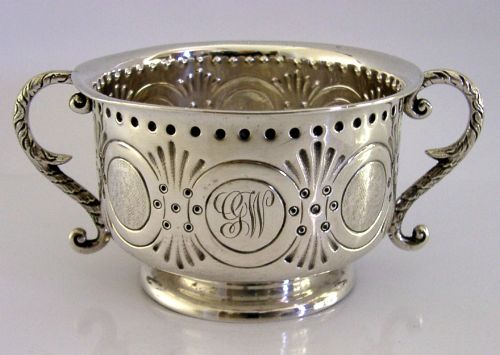
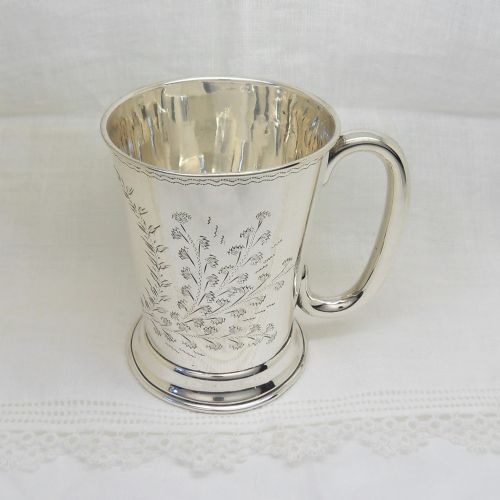
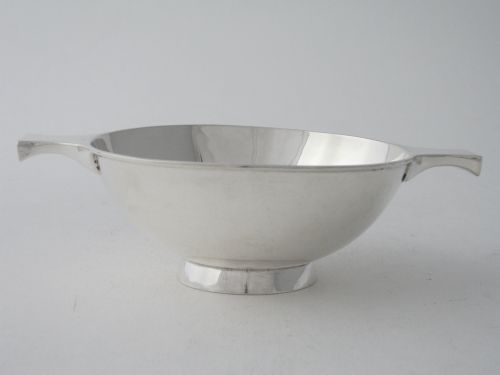
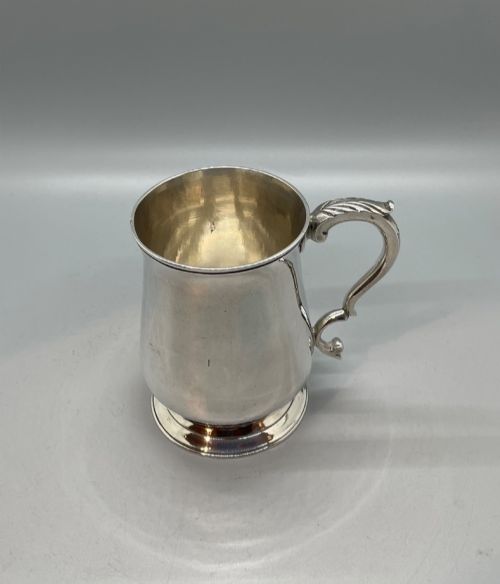
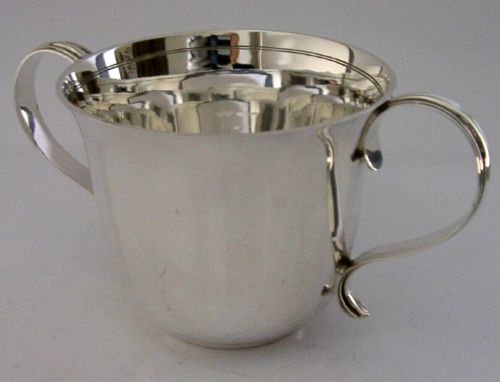
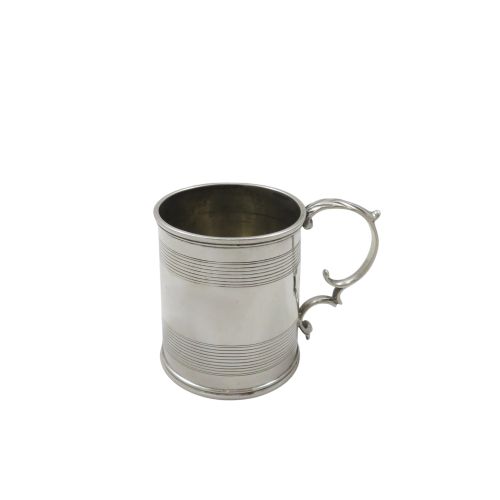
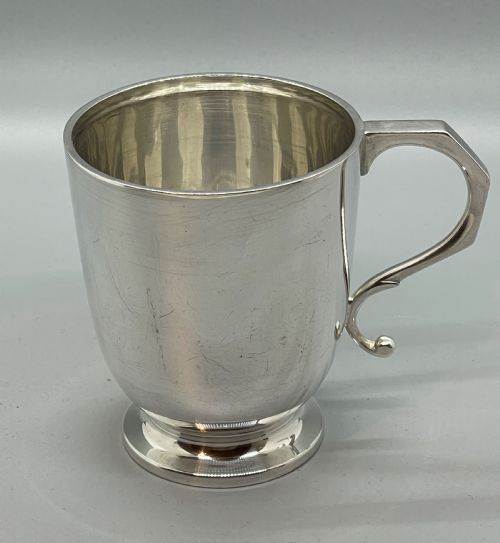
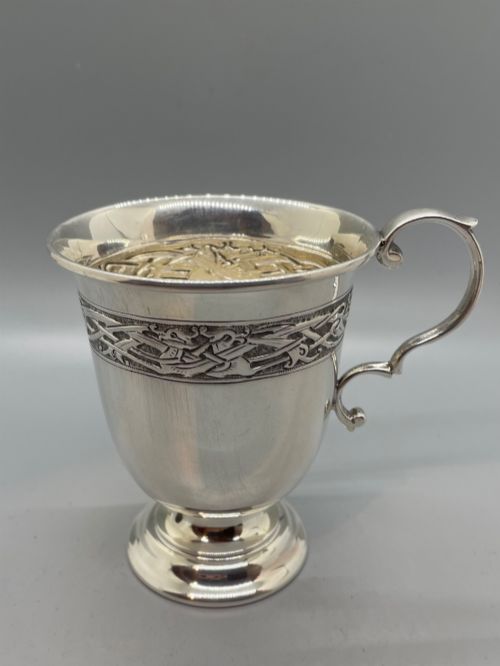
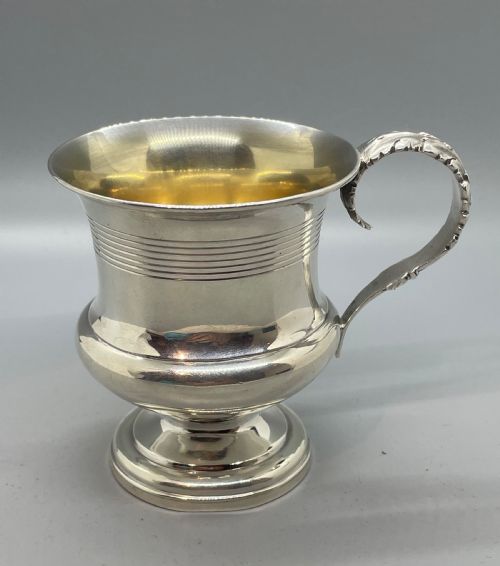
A sterling christening cup encompasses traditional handled tankards, mugs, porringers, bowls and quaiches shaped for ceremonial presentation and early childhood use.
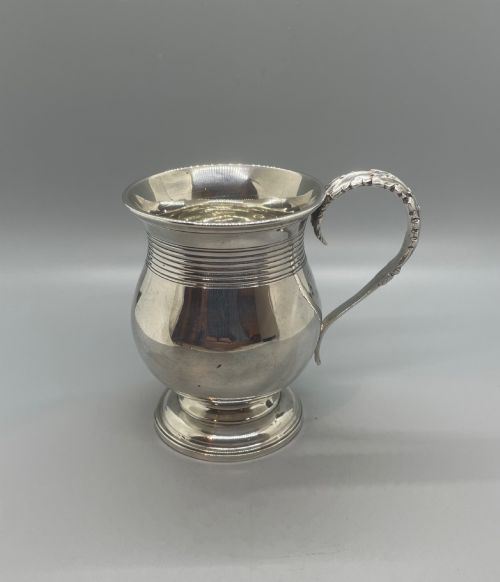
Makers fashioned these vessels across the Georgian, Victorian, Edwardian and mid-century periods, utilising standard forms like baluster bodies, scroll handles and circular bowls.
Buyers frequently encounter twentieth-century examples alongside nineteenth-century pieces, spanning regional assay offices from Edinburgh and Glasgow to London, Birmingham and Sheffield.
Materials and Techniques
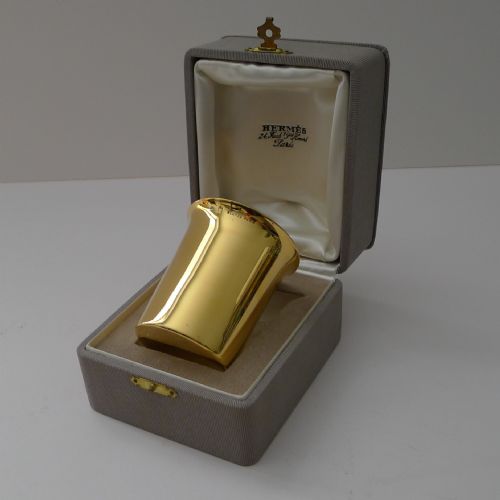
Silversmiths constructed these pieces primarily from solid sterling silver, occasionally applying silver gilt, gold gilt or vermeil to the interior surfaces.
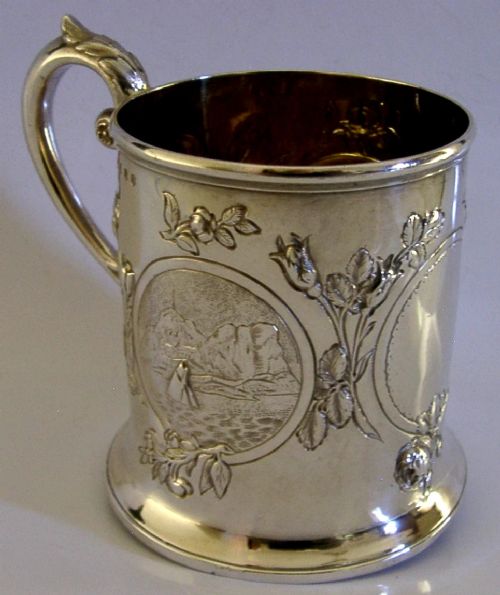
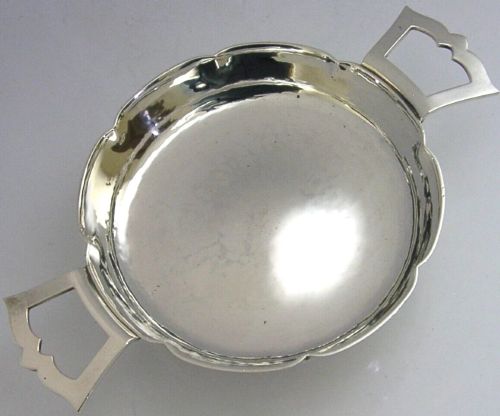
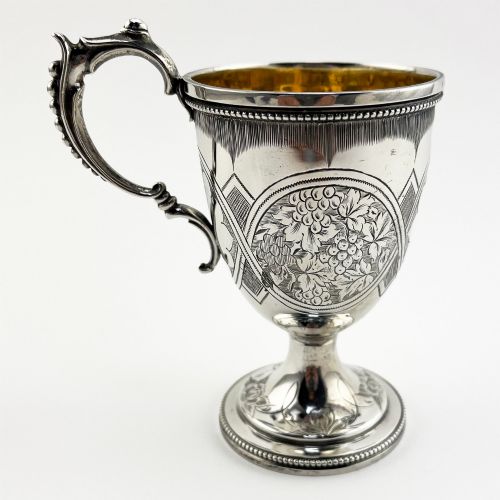
Craftsmen shaped the bodies through raising and spinning, often incorporating hand-hammered planished finishes, floral engravings and applied scroll handles.
Interiors and select presentation vessels received gold washes or gilding, while fitted cases occasionally featured linings of leather, velvet or silk.
Sterling Christening Cup Retail Price Guide 2026
Typical asking prices for sterling christening cup among the pieces listed under this phrase on Sellingantiques today, from the lower quarter to the upper quarter. They describe what is for sale here now, not the wider market.
The Measure of Craft
Quality rests in the weight of the silver and the crispness of the hand-engraving, separating heavy-gauge metalwork from lighter commercial production.
The balance of the handle and the integrity of the maker marks or assay stamps determine the standing of each vessel within its period.
Brook & Son·Joseph Gloster·R E Stone·Barker Bros·Tiffany & Co·William Bateman
The Sterling Christening Cup Glossary
- Sterling Silver
- An alloy consisting of 92.5 percent silver by mass, forming the primary metal standard for these British and international cups.
- Quaich
- A traditional two-handled Scottish drinking vessel, often appearing in silver with shallow circular bowls.
- Porringer
- A small, deep bowl featuring one or two flat horizontal handles, utilised historically for porridges and broths.
- Vermeil
- Sterling silver plated with a heavy layer of gold, providing a rich interior finish to presentation cups.
- Planished
- A surface texture achieved by striking metal with a small, flat-faced hammer, leaving regular circular facets across the silver.
Sterling Christening Cup: Frequently Asked Questions
How were these cups used historically?
Families presented these silver vessels to infants upon their birth or christening as a lasting token of goodwill and social standing. Children retained them as keepsakes rather than everyday tableware.
Over subsequent decades, many pieces transitioned into cabinet displays or decorative desk accessories while maintaining their original structural integrity.
What styles dominate these silver pieces?
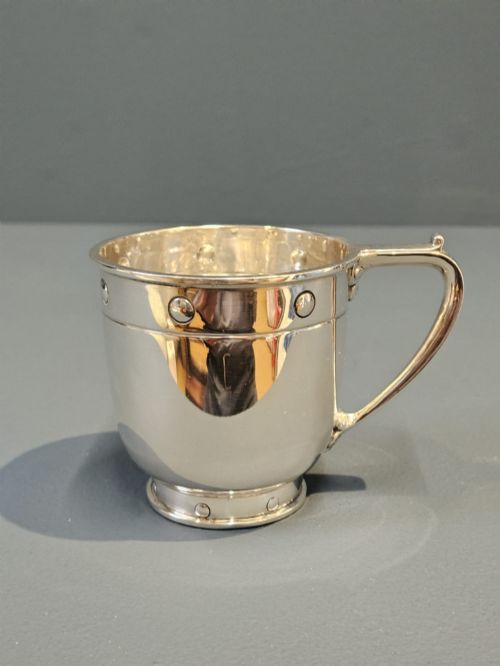
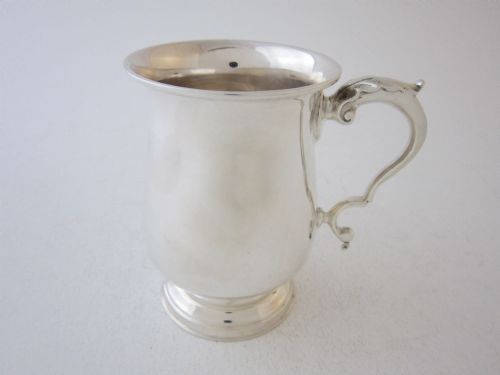
Designs range from plain Georgian baluster tankards and Victorian floral engravings to Arts & Crafts planished surfaces and mid-century modern minimalism. Each style reflects the prevailing aesthetic of its decade of manufacture.
Assay office hallmarks and makers' marks assist in identifying the exact period and region of production.
Are these cups safe for daily use?
Solid silver possesses natural antimicrobial properties, making these historical vessels physically capable of holding liquids. Modern owners frequently use them for display rather than active dining.
Gentle washing with warm soapy water and a soft cloth preserves the original polish and antique surface details.
How do I identify the date of a cup?
British pieces carry distinct hallmarks stamped into the silver, including a date letter corresponding to the assay year and city. Maker stamps and standard lion passant marks provide further verification.
Comparing the handle shape, body form and decorative engraving style helps narrow down pieces lacking legible date letters.