

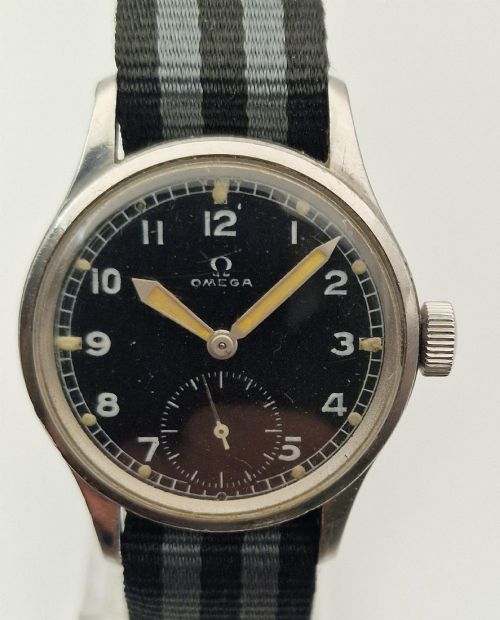
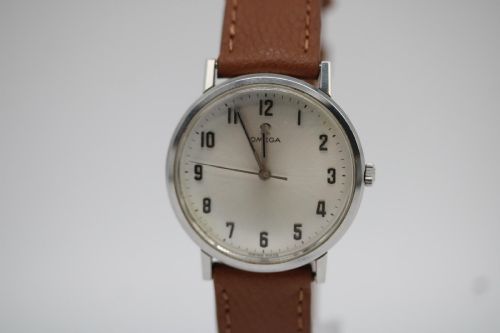
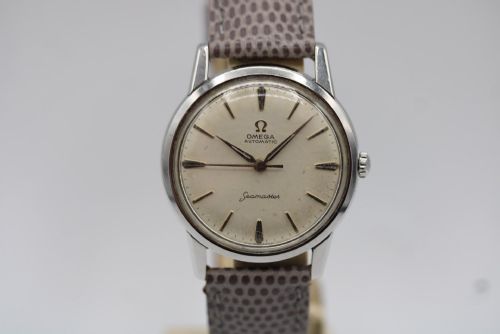
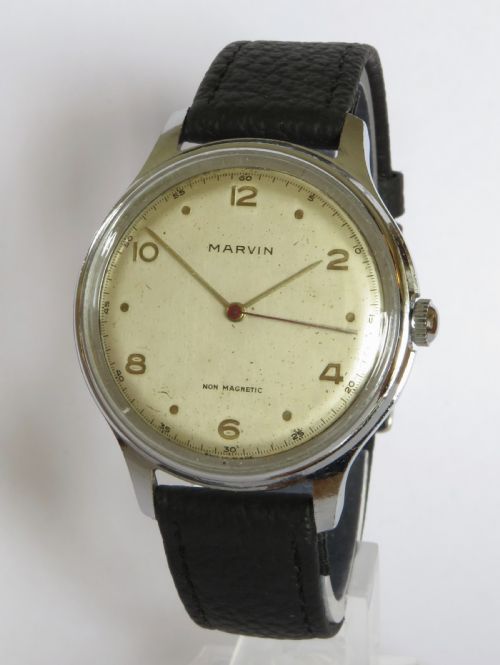


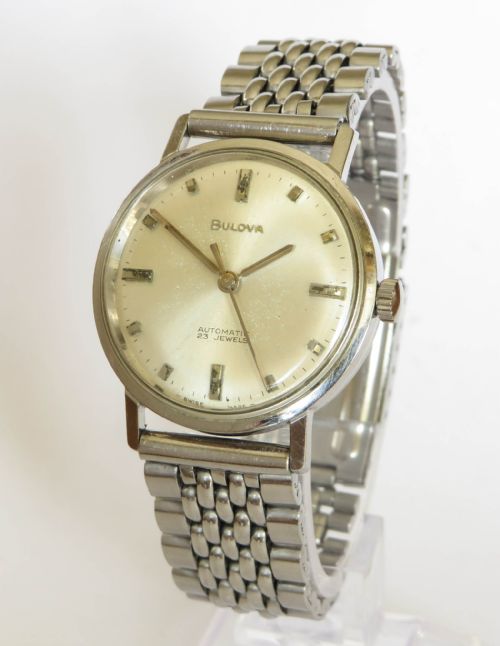
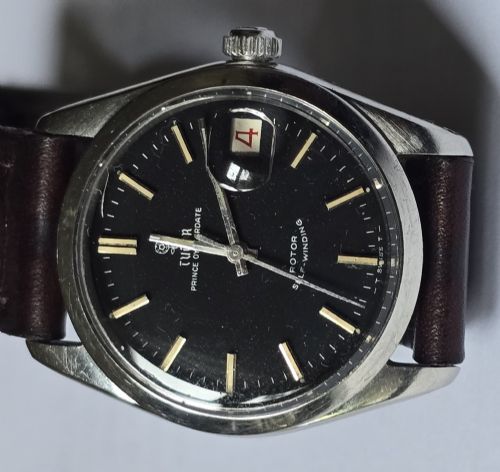
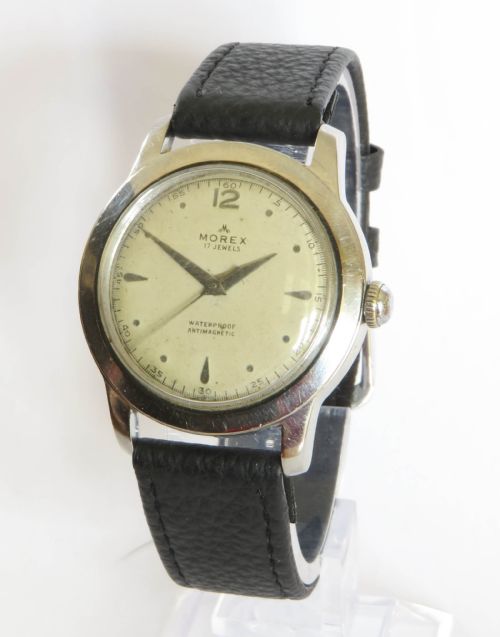
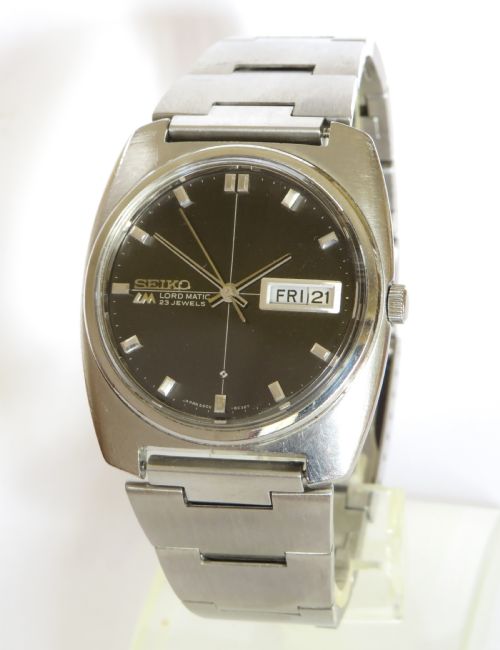
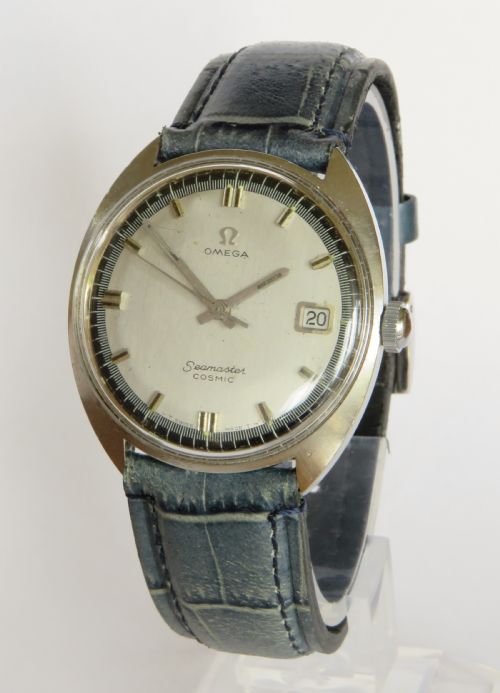
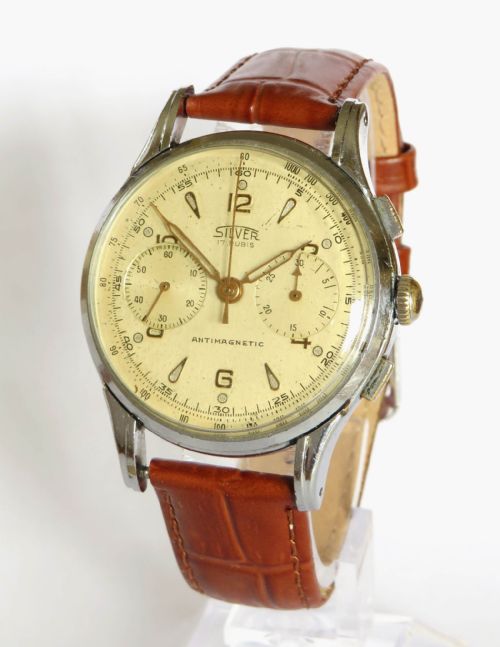
Steel Wrist Watch
A steel wrist watch combines utilitarian durability with mid-century horological craft, offering a timeless daily accessory for the collector.
Steel Wrist Watch
A steel wrist watch encompasses mechanical and automatic timepieces produced primarily through the 1930s, 1940s, 1950s, and 1960s. These pieces range from military issue instruments to dress models and complex chronographs.
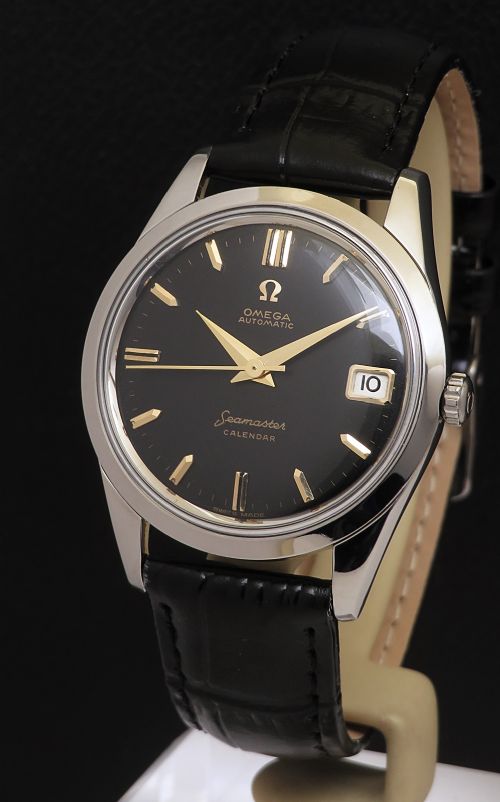
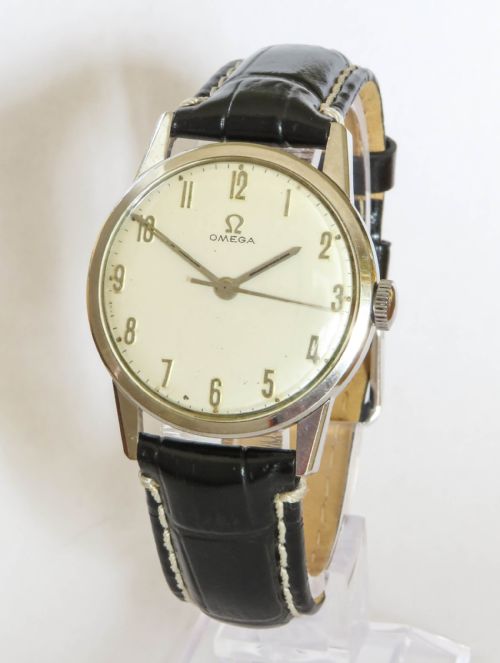
The most common variants on this page originate from the mid-century period, displaying circular stainless steel cases, leather straps, and patinated dials. Makers such as Omega, Longines, and Tudor dominate the offerings from these decades.
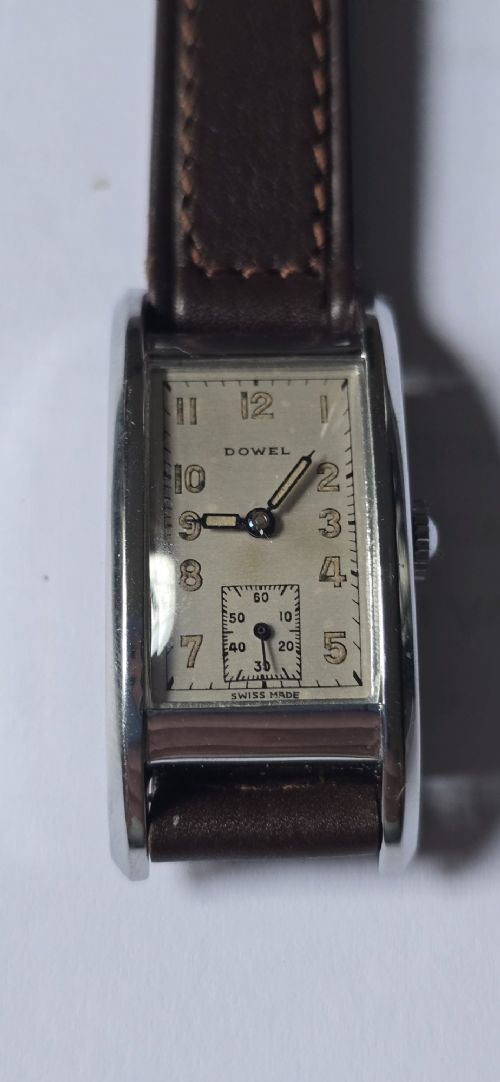
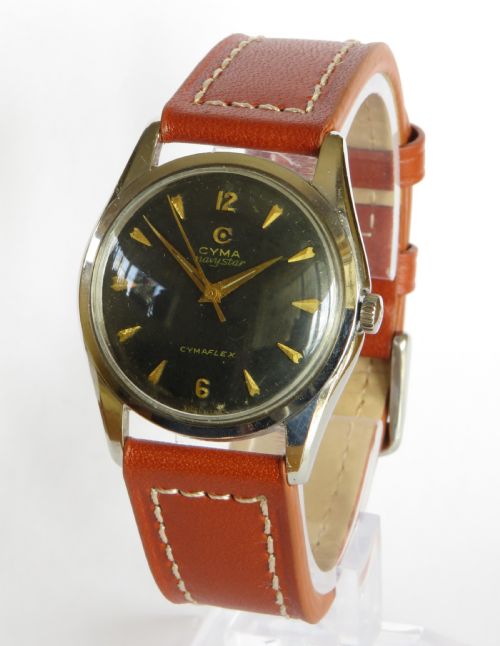
Collectors encounter both standard three-hand configurations and specialised designs like the Seamaster, Navystar, or military tank watches. These objects reflect the transition of wristwatches from specialised tools into standard gentlemen's accessories.
How They Were Made
Cases utilise stainless steel, chrome plate, or occasional rose gold accents, paired with acrylic glass or acrylic crystal to protect the dial. Leather straps or metal bracelets secure the assembly to the wrist.
Internal movements rely on intricate brass gear trains, jewels to reduce friction, and manual-wind or automatic mechanisms powered by the wearer's movement. Chronograph models integrate additional complication cams to measure elapsed time.
Steel Wrist Watch Retail Price Guide 2026
Typical asking prices for steel wrist watch among the pieces listed under this phrase on Sellingantiques today, from the lower quarter to the upper quarter. They describe what is for sale here now, not the wider market.
Listings feature stainless steel cases paired with leather straps, spanning production dates from the 1930s through the 1960s.
What Varies in Quality
Horological quality rests in the refinement of the movement calibre, such as adjusted adjustments for temperature and position within chronometer-grade pieces. Robust waterproof sealing, proprietary automatic winding systems, and high jewel counts elevate a movement's pedigree.
Case finishing and dial preservation dictate collector value, with sharp unpolished bevels and original factory printing distinguishing superior examples. Patina on dials must appear uniform and natural rather than the result of moisture damage.
Omega·Longines·Tudor·Cyma·Bulova·Seiko·Eterna·Universal Geneve
The Steel Wrist Watch Glossary
- Calibre
- The specific manufacturer's designation for a particular watch movement design. This internal engine determines the technical capabilities and layout of the timepiece.
- Chronograph
- A watch equipped with a stopwatch function alongside normal timekeeping. These mechanisms use independent seconds hands started and stopped via pushers on the case.
- Acrylic Glass
- A lightweight, shatter-resistant plastic used for watch crystals prior to the widespread adoption of synthetic sapphire. It can be polished to remove surface scratches.
- Patina
- The natural ageing of a watch dial or hands, often shifting in colour over decades due to light exposure. Collectors prize even patination for authenticity.
- Automatic
- A mechanical movement wound by the natural motion of the wearer's arm via an internal oscillating weight. This system removes the need for daily manual winding.
Steel Wrist Watch: Frequently Asked Questions
How do I wind a vintage watch?
Turn the crown clockwise between your thumb and forefinger until you feel gentle resistance. Stop immediately to avoid over-tensioning the mainspring.
Automatic models require minimal manual winding if worn regularly, as wrist movement keeps the internal rotor spinning.
Are these watches waterproof?
Vintage steel watches generally lack modern waterproof gaskets and pressure resistance. Exposure to moisture, rain, or swimming can easily damage the vintage movement.
Keep these timepieces away from water entirely unless a professional watchmaker has recently tested and sealed the case.
How can I tell the decade?
Examine the movement serial number against manufacturer database records to pinpoint the exact production year. Dial typography, case geometry, and hand styles also shift noticeably between the 1930s, 1950s, and 1960s.
Art Deco rectangular forms belong mostly to the 1930s and 1940s, while cleaner round Seamaster designs point toward the 1950s and 1960s.
Can I wear one every day?
Many collectors wear mid-century steel watches daily because stainless steel resists corrosion effectively. Regular servicing by a watchmaker ensures the internal oils remain fresh for daily use.
Avoid wearing vintage pieces during high-impact activities or heavy manual labour to protect the delicate internal gears.