


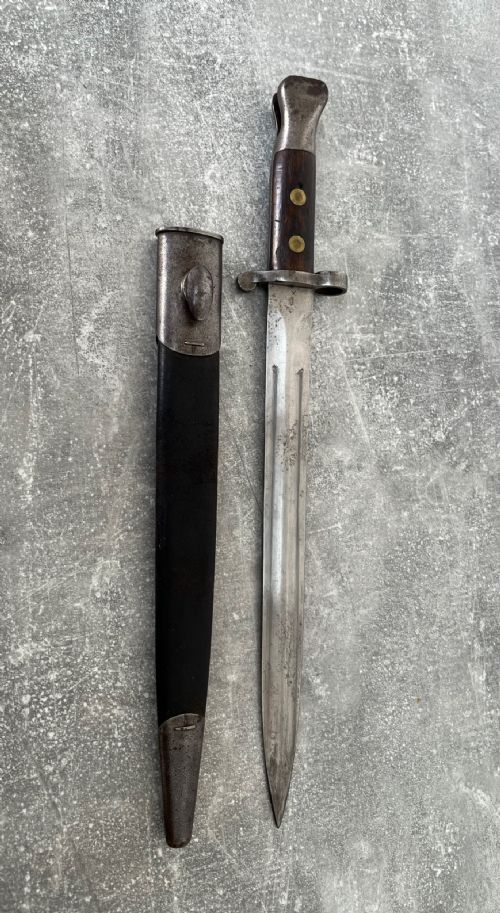
Steel Military Sword
A steel military sword is a historic edged weapon built for combat and service, prized for its craftsmanship and tangible connection to past conflicts.
Steel Military Sword
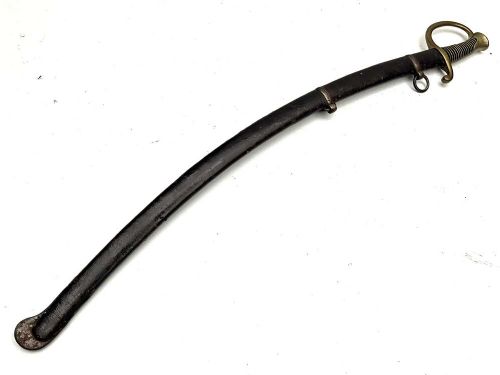
A steel military sword encompasses a diverse range of historic edged weapons designed for cavalry troopers, infantry officers, and naval personnel. These pieces span multiple centuries, from eighteenth-century patterns through nineteenth-century Victorian eras and twentieth-century conflicts.
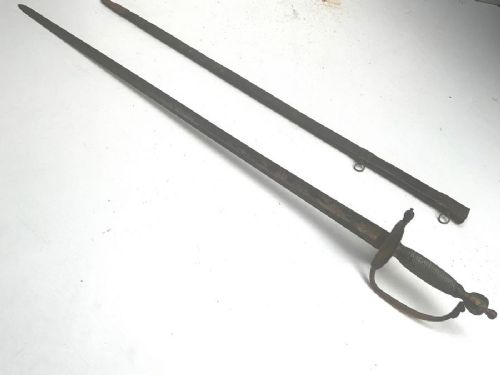
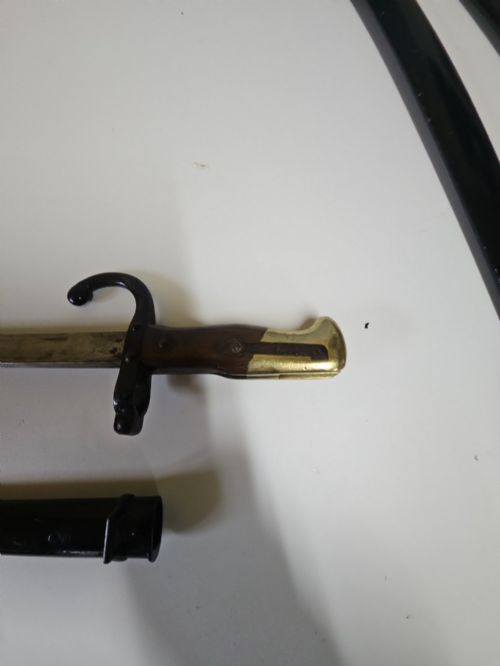
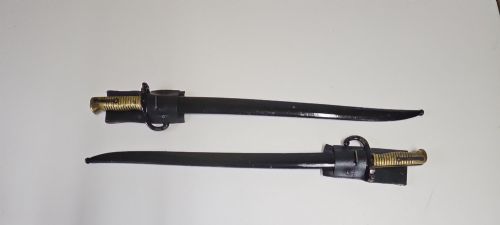
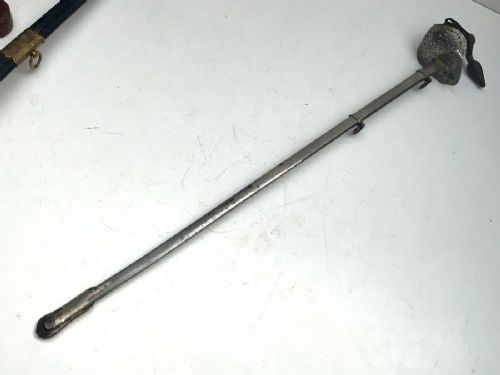
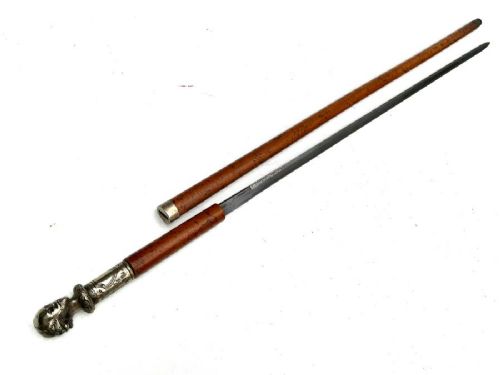
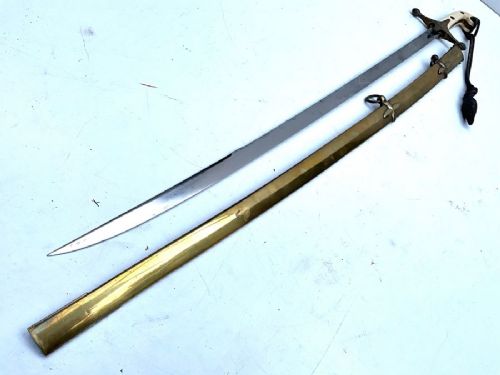
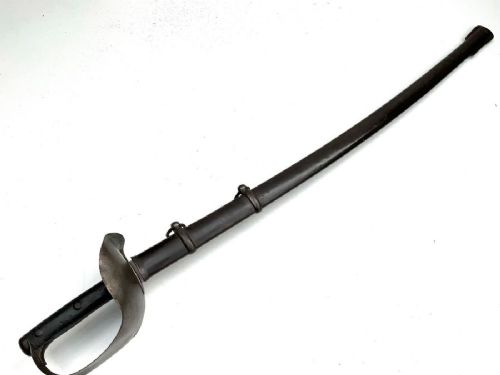
The selection frequently includes cavalry sabres, officer spadroons, bayonets, and walking stick swords from British, French, German, and American origins. Buyers will encounter specialised items such as mameluke swords, boarding cutlasses, and regional kora-type swords alongside standard military patterns.
Dating ranges from the sixteenth century up to mid-twentieth-century examples, reflecting the evolution of military combat and sidearms. Each specimen bears the specific design characteristics of its regiment, campaign, or manufacturing period.
Materials and construction
Steel forms the primary material for blades, with additional iron and nickel utilised in guards, scabbards, and pommels. Many blades feature hardened high-carbon steel designed to withstand the rigours of combat without snapping.
Hfts and grips incorporate brass, wood, leather, bone, and wire wrappings to ensure a secure handhold during use. Scabbards combine steel or leather with metal mounts to protect the blade and allow for belt suspension.
Blades often display etched or blued decorations, such as the blue and gilt finishes seen on eighteenth-century officer spadroons. Specialised engraving and maker marks stamped near the ricasso identify the workshop and production details.
Listings feature steel, brass, leather, and wood across periods spanning from the 16th century through to 20th-century conflicts.
Assessing quality and preservation
Quality rests upon the original condition of the steel blade and the tightness of the hilt construction. Examples that retain their original polish, clear engravings, and matching scabbards stand at the upper end of the tier.
The integrity of the grip materials, whether wire-wrapped fishskin, carved bone, or polished wood, heavily influences desirability. Excessive pitting, heavy corrosion, or loose crossguards diminish the historical and structural integrity of the piece.
Mole·H Wilkinson
The Steel Military Sword Glossary
- Sabre
- A backsword with a curved blade primarily designed for cutting strokes from horseback. This form saw widespread adoption among nineteenth-century cavalry units.
- Spadroon
- A light, straight-bladed sword with a cutting and thrusting edge, typically carried by infantry officers during the eighteenth and nineteenth centuries.
- Bayonet
- A solid blade designed to fit onto the muzzle end of a rifle for close-quarter combat. Various patterns emerged throughout the Victorian era and later conflicts.
- Ricasso
- The thick, unsharpened section of a sword blade immediately below the guard or hilt. Makers frequently stamped their names and inspection marks in this area.
- Scabbard
- A protective sheath made of steel, leather, or wood designed to house the blade. Surviving original scabbards complete the historical assembly of the weapon.
Steel Military Sword: Frequently Asked Questions
What is a steel military sword?
A steel military sword is an official edged weapon issued to or purchased by armed forces personnel for combat, drill, or dress. These items include heavy cavalry sabres, naval cutlasses, and infantry officer sidearms from various historical campaigns.
Over the centuries, military designs evolved from curved slashing sabres to straight thrusting swords and specialised bayonets. Each piece reflects the tactical requirements and manufacturing standards of its specific era.
How were these swords used?
Military swords served primarily as offensive and defensive weapons for mounted cavalry, naval boarding parties, and infantry officers. They functioned both as practical combat arms on the battlefield and as symbols of rank and authority.
In later periods, many of these weapons transitioned into dress or parade use as firearms became the dominant combat tool. Some specialised pieces, such as sword sticks, were carried for personal defence in civilian contexts.
How do I display a sword safely?
Displaying a sword securely requires stable wall brackets or dedicated horizontal display cases that support the weight evenly without stressing the hilt. Keeping the piece away from direct sunlight and moisture prevents degradation of organic grip materials and leather scabbards.
Applying a light, museum-grade micro-wax or oil to the steel blade protects against humidity and active oxidation. Regular gentle dusting ensures the metal and mounts remain free from corrosive particles.
How do I identify different patterns?
Identifying a specific pattern involves examining the blade length, curvature, fuller configuration, and hilt shape against established military references. Unit markings, dates, and inspector stamps engraved on the spine or ricasso provide precise chronological clues.
Comparing the guard design and grip materials helps differentiate between British, French, German, and American military issues from the eighteenth through twentieth centuries.