
Steel Mechanical Watch
A steel mechanical watch offers reliable engineering and enduring style, spanning decades of horological development from military pocket watches to mid-century wristwatches.
Steel Mechanical Watch
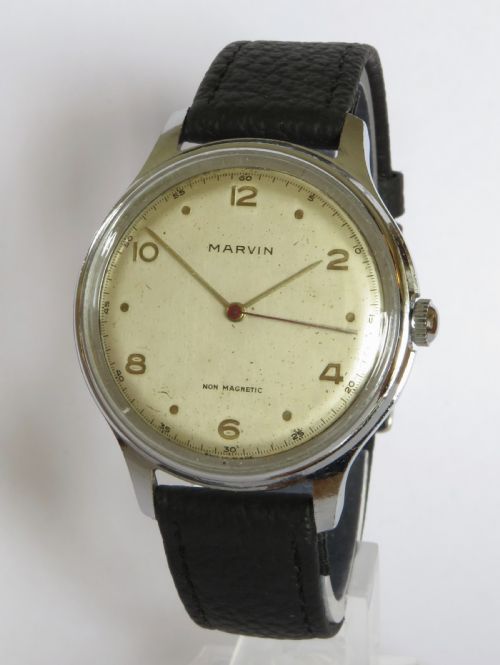
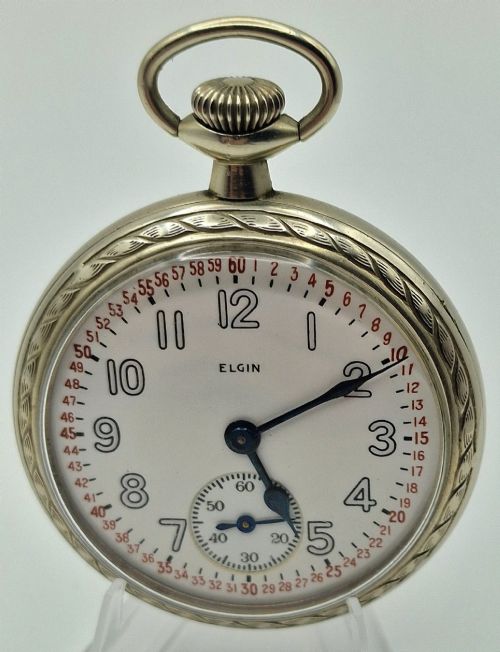
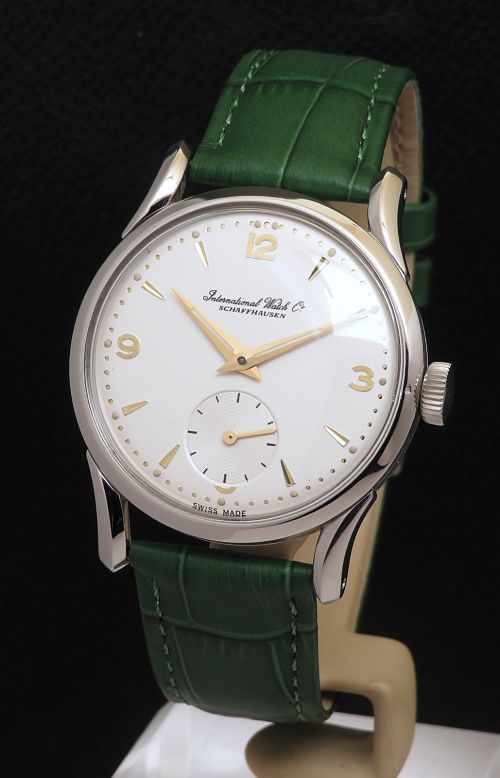
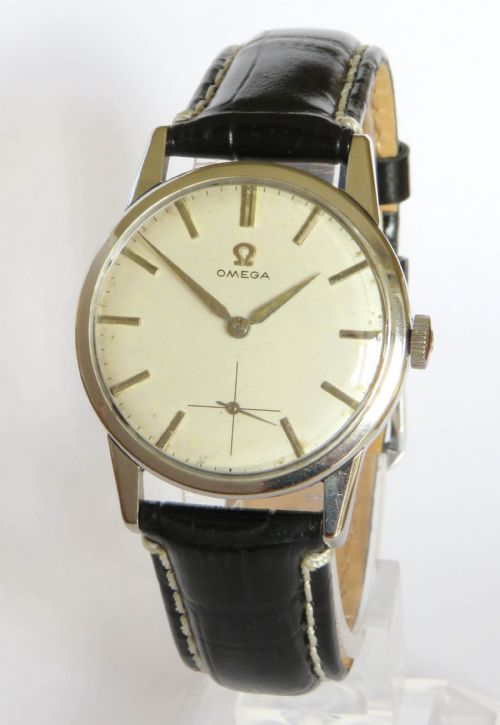
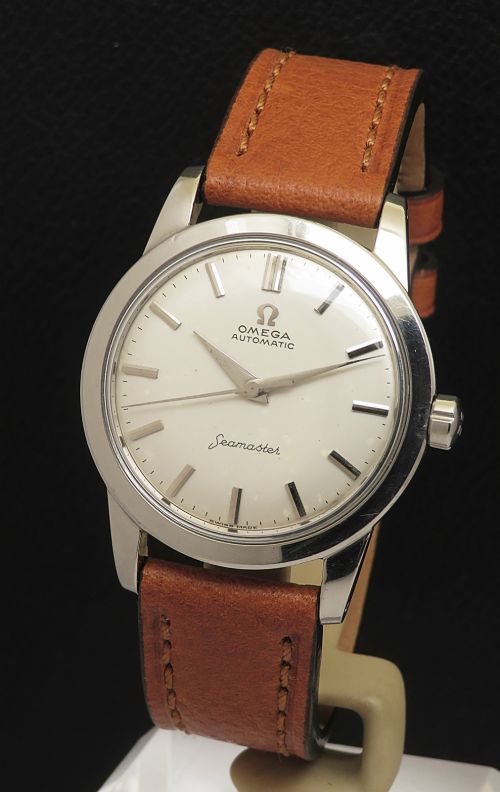
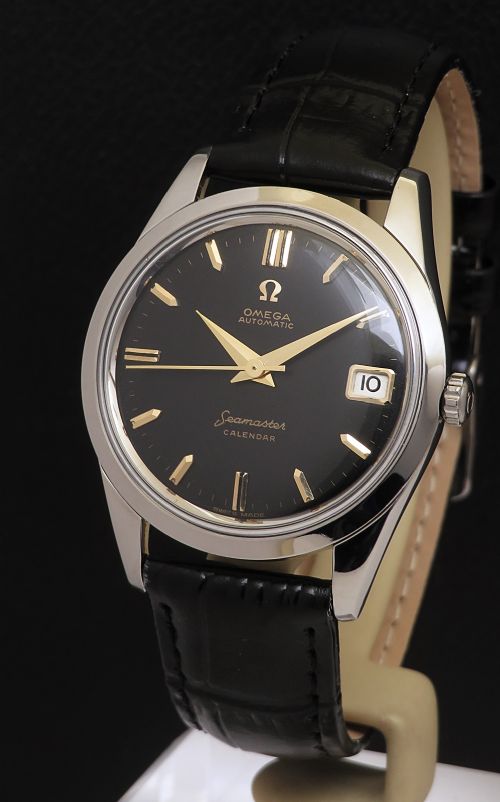
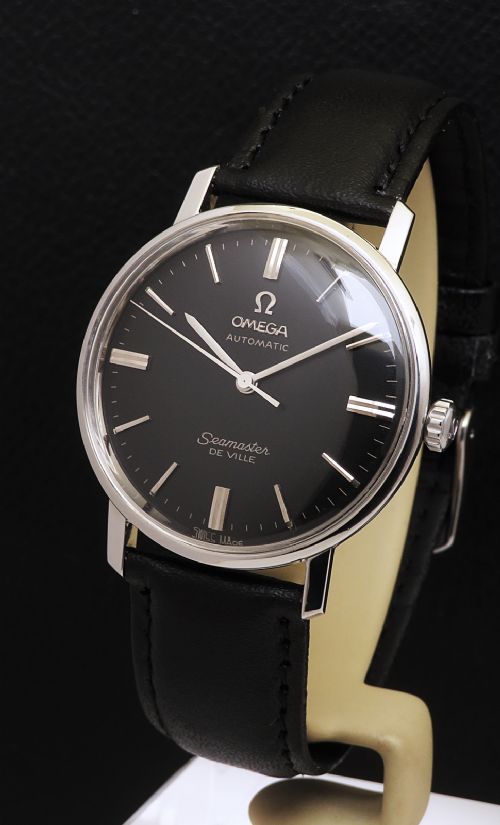
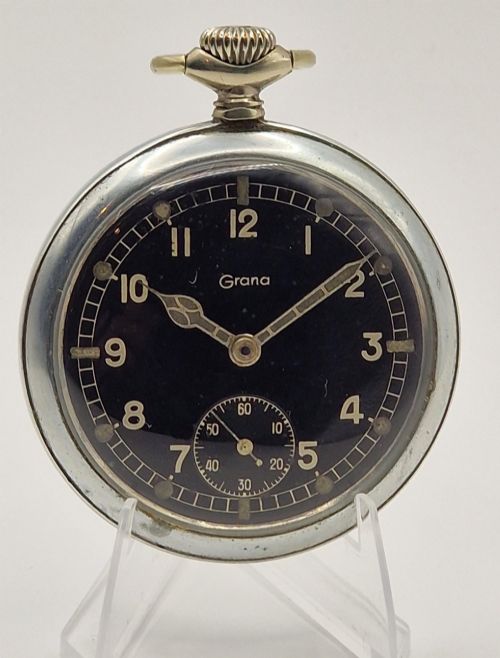
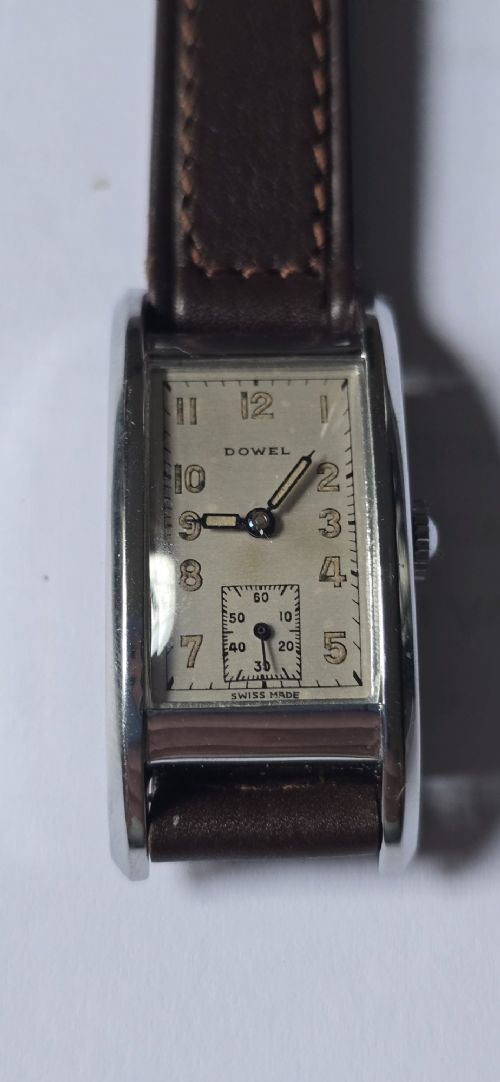
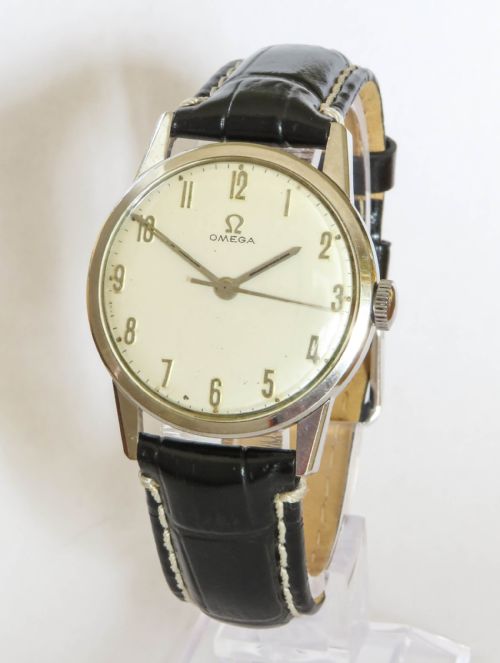
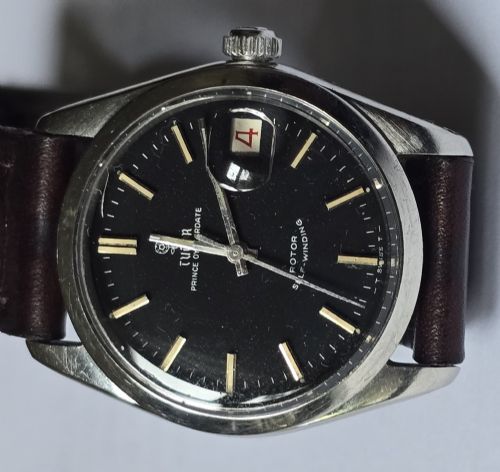
A steel mechanical watch represents a category of timepieces driven by wound springs and intricate gear trains rather than electronic circuits, housed within durable metallic cases. When exploring the phrase steel mechanical watch, buyers encounter wristwatches and pocket watches spanning periods from the early twentieth century through the nineteen-seventies.
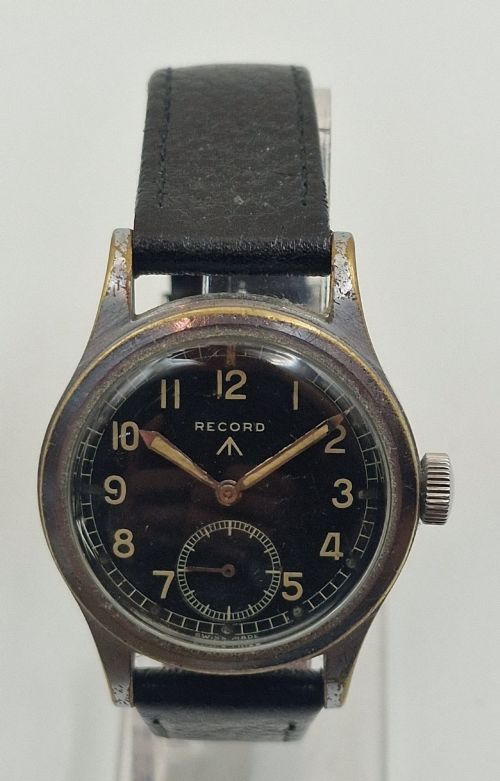
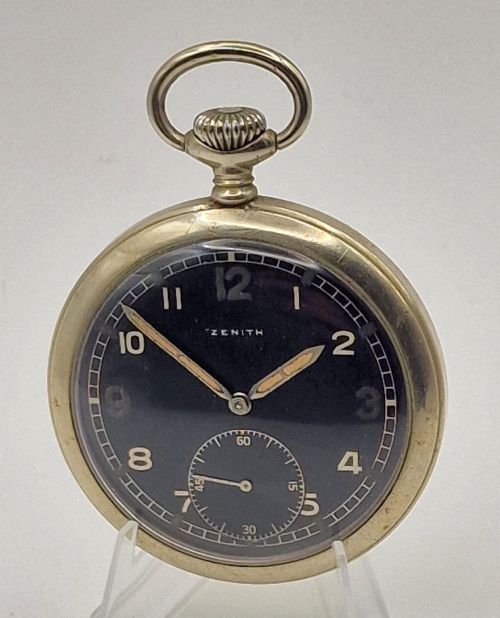
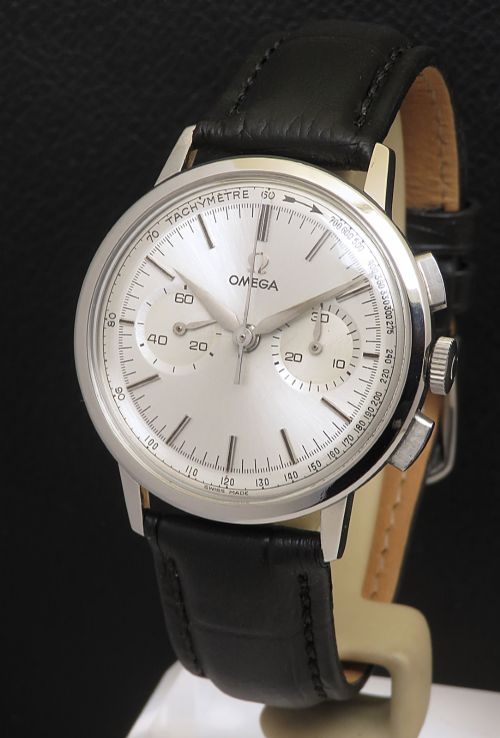
The selection ranges from utilitarian military issues to refined mid-century dress pieces and chronographs. Wristwatches dominate the current offerings, alongside pocket watches and larger goliath timepieces.
Examples stem from notable eras including the nineteen-forties and nineteen-sixties, reflecting changes in case dimensions, dial typography, and mechanical movements over time.
How they were made
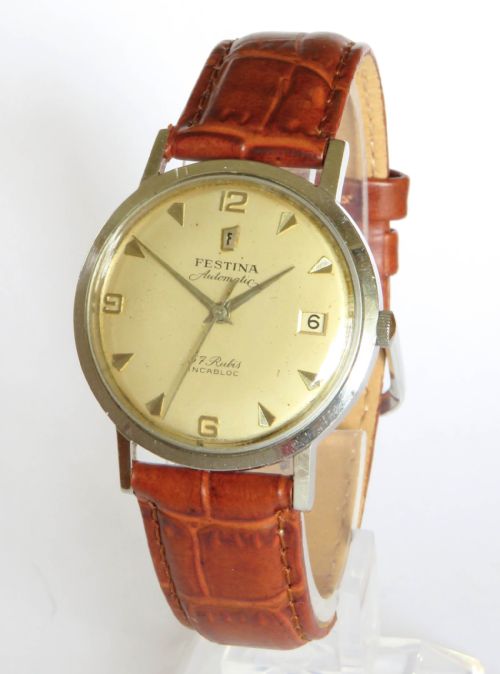
Cases utilise stainless steel, chrome, nickel, or silver-toned metals, paired with protective acrylic or glass crystals to shield the dial. Straps commonly consist of leather, while interior mechanisms rely on manual wind or automatic self-winding movements.
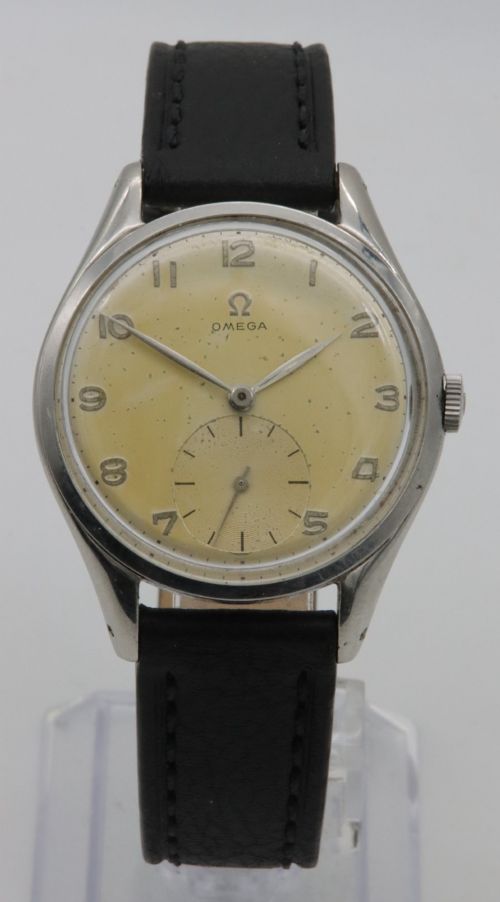
Dials frequently feature painted enamel details, distinct numerals, and auxiliary sub-dials for chronograph functions or running seconds. Structural assembly required precise calibration of springs, gears, and escapements by skilled watchmakers.
The listings span periods from nineteen-hundred to nineteen-seventy, incorporating stainless steel, chrome, leather, and glass across military and civilian forms.
What varies in quality
The integrity of the internal movement and the originality of exterior components dictate the standing of a timepiece. Unrestored pieces retaining factory finishes contrast with examples that have undergone professional servicing or part replacement.
Dial preservation significantly influences desirability, with patinated or untouched faces holding distinct appeal compared to heavily refinished examples. Case geometry and the crispness of hallmark engravings or military issue markings further distinguish individual pieces.
Record·Zenith·Elgin·International Watch Company IWC·Omega·Tudor·Montilier·Cyma·Hamilton·Seiko·Bulova·Festina·Gruen·Antoremi·Longines·Venus·Octo
The Steel Mechanical Watch Glossary
- Calibre
- The specific internal movement design and designation created by a watch manufacturer. It determines the technical specifications and architecture of the watch.
- Chronograph
- A watch equipped with a complication that allows it to function as a stopwatch alongside standard timekeeping. Independent hands measure elapsed seconds and minutes.
- Manual wind
- A mechanical movement requiring the wearer to manually turn the crown to tension the mainspring. This supplies the power required to run the gear train.
- Automatic
- A self-winding mechanical movement that utilises an internal weighted rotor driven by the natural motion of the wearer's wrist. This continuously tensions the mainspring during daily wear.
- Acrylic
- A lightweight, shatter-resistant plastic material utilised for watch crystals during the mid-twentieth century. It can be polished to remove surface scuffs.
- Military issue
- Timepieces commissioned by armed forces for personnel, often featuring specific dial markings, caseback engravings, and robust construction standards.
Steel Mechanical Watch: Frequently Asked Questions
How do I wind a mechanical watch?
Rotate the crown clockwise between your thumb and forefinger until you feel gentle resistance. Stop immediately to avoid over-tensioning and damaging the mainspring.
Wind the watch at roughly the same time each day to maintain consistent tension and accurate timekeeping throughout its reserve period.
Are vintage steel watches water resistant?
Historic timepieces lack the modern rubber gaskets and screw-down systems found in contemporary diving instruments. Exposure to moisture, rain, or humidity can easily compromise vintage movements.
Keep these watches away from water entirely, removing them before swimming, showering, or washing hands to protect the internal steel and brass components.
What is a bumper automatic movement?
A bumper movement represents an early form of self-winding mechanism where an oscillating weight swings back and forth within a limited arc rather than rotating fully. Springs cushion the weight as it gently bounces against stops inside the case.
Wearers can often feel a distinct tapping sensation on the wrist as the internal bumper moves, distinguishing these pieces from later full-rotor designs.
How often should a vintage watch be serviced?
Mechanical watches require periodic cleaning and fresh lubrication to prevent microscopic friction from wearing down the brass gears and steel pivots. A professional service every few years ensures the oils do not dry out and gum the mechanism.
Regular maintenance preserves the longevity of vintage calibres and keeps the timekeeping steady across decades of continued use.