







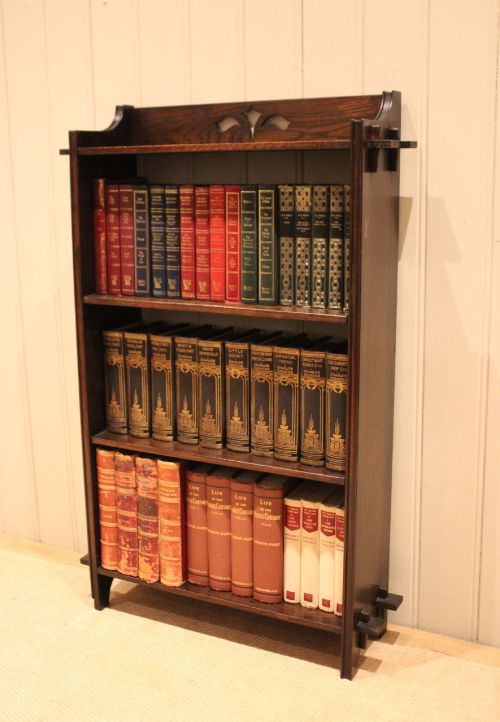
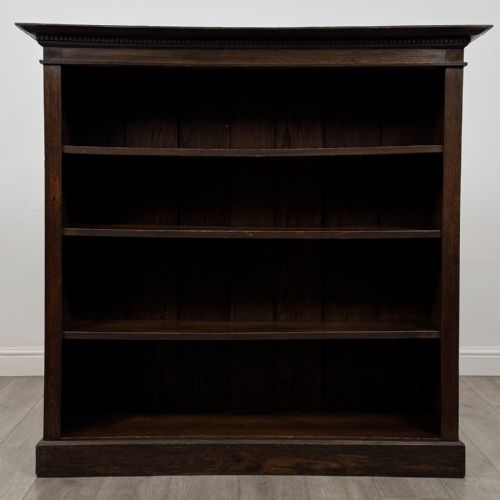
Standing Wooden Bookcase
A standing wooden bookcase brings warmth and order to a room, offering sturdy shelves for a growing library.
Standing Wooden Bookcase
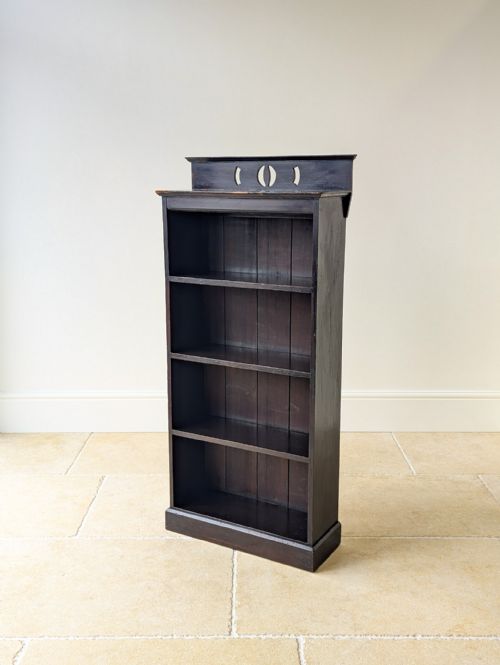
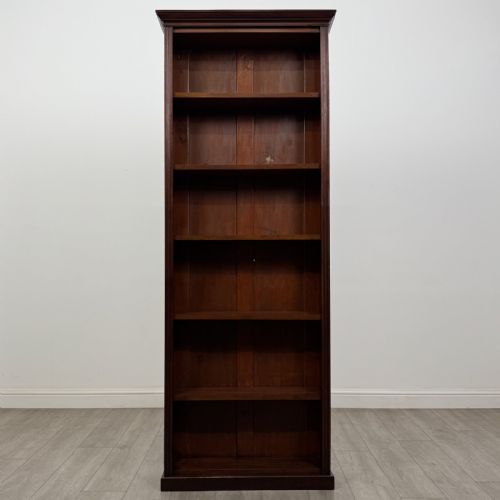
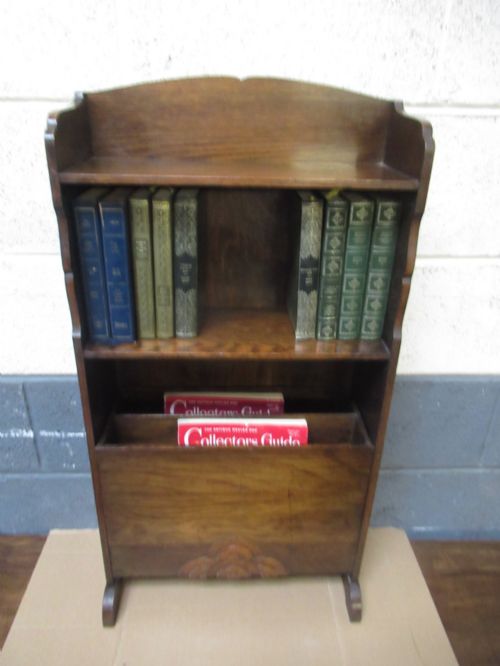
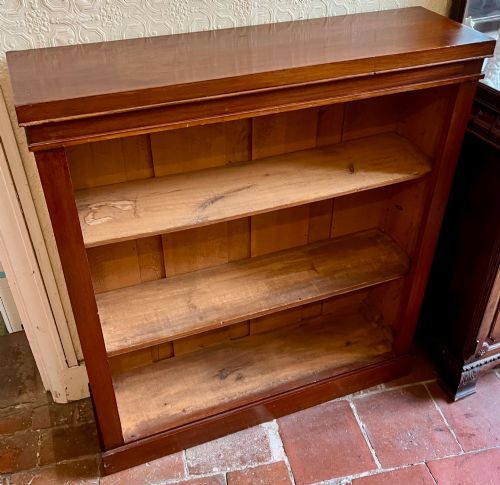
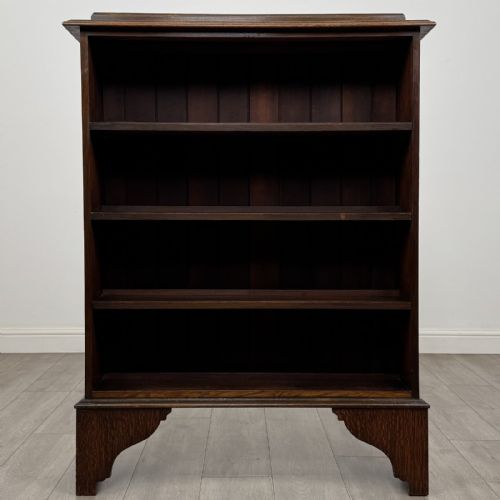
A standing wooden bookcase is a practical piece of furniture designed to hold books and display objects upright on fixed or adjustable tiers. When searching for a standing wooden bookcase, buyers encounter a diverse range of forms spanning the eighteenth, nineteenth and early twentieth centuries. These pieces serve functional roles in studies and living rooms while introducing traditional craftsmanship into the interior.
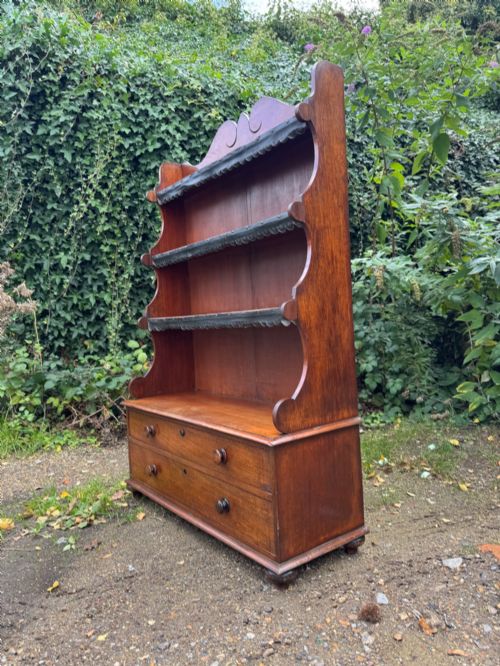
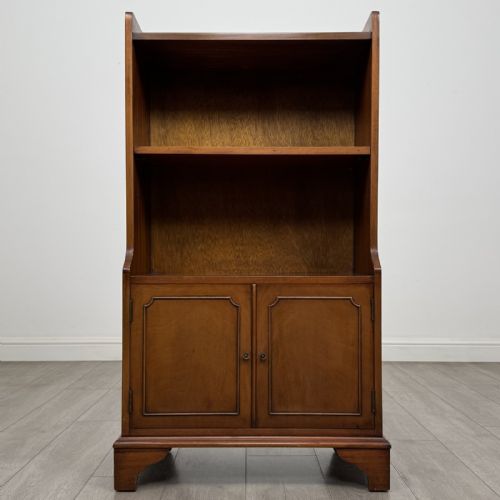
Beyond standard upright library units, the inventory incorporates specialised forms such as multi-tiered whatnots, waterfall bookcases, and rustic pine farmhouse pieces. Arts and Crafts items appear alongside Georgian and French Provincial styles, showing how cabinetmakers adapted the format across different periods and decorative movements.
How they were made
Makers relied on solid timbers such as oak, mahogany, walnut, and pine, often selecting quarter-sawn oak to display decorative grain patterns. Cabinets frequently incorporate fine veneers, subtle inlay work, and hand-carved details like dentil cornices or raised galleries. Construction methods prioritize durability, utilising strong joints and sturdy shelving to support the weight of heavy volumes.
Hardware played a functional and decorative role, with brass castors fitted to larger pieces to allow movement across floors. Glazed doors utilised individual glass panes set within wooden framing, while open-backed and angled designs provided lighter alternatives for smaller spaces.
Standing Wooden Bookcase Retail Price Guide 2026
Typical asking prices for standing wooden bookcase among the pieces listed under this phrase on Sellingantiques today, from the lower quarter to the upper quarter. They describe what is for sale here now, not the wider market.
Listings feature oak and mahogany standing bookcases spanning the eighteenth to the early twentieth centuries, alongside pine farmhouse cupboards.
What varies in quality
Quality in a standing wooden bookcase rests on the selection of timber and the precision of the cabinetmaker's joinery. Superior examples exhibit carefully matched grains, robust structural framing, and refined decorative elements such as crisp carved mouldings or delicate inlay. Lesser pieces rely on simpler construction methods and plain, unfigured wood.
Ercol
The Standing Wooden Bookcase Glossary
- Dentil cornice
- A decorative moulding featuring a series of small, evenly spaced rectangular blocks that project like teeth. This architectural detail is frequently found along the top edge of formal bookcases.
- Waterfall bookcase
- A tiered piece of furniture with shelves that step back progressively from bottom to top, often featuring graduated sides. These units became popular for displaying books and small ornamental items.
- Revolving bookcase
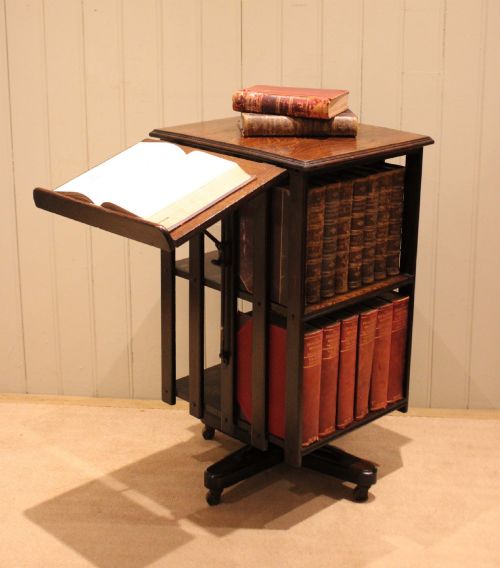
- A compact, rotating unit designed to sit on a floor or tabletop, allowing easy access to books from any angle. They typically feature multiple tiers supported by a hidden internal pivot mechanism.
- Whatnot
- An open set of multiple shelves used for displaying ornaments, books, or collections. These freestanding pieces gained popularity during the Victorian period for their versatility in domestic rooms.
- Raised gallery
- A low decorative railing or border positioned around the top surface of a piece of furniture. It prevents items placed on top from sliding off while adding vertical framing to the silhouette.
Standing Wooden Bookcase: Frequently Asked Questions
How do I choose the right size?
Measure your available wall space and consider the depth required for your book collection before selecting a unit. Slender or small formats suit tight corners, while larger multistoried variations anchor expansive walls.
Take note of whether the shelves are fixed or adjustable to ensure they accommodate varying book heights. Taller pieces may require securing to a wall for stability in homes with children or pets.
Are shelves usually adjustable?
Many period bookcases feature adjustable shelving supported by wooden pegs or metal tracks, allowing you to customize the interior layout. Fixed shelves are also common, particularly in older Georgian and Victorian designs where construction relied on permanent joinery.
Inspect the interior uprights for slot systems or peg holes to determine if the height can be altered. Fixed shelves generally offer greater rigidity, while adjustable versions provide flexibility for diverse volumes.
How do I care for wood finishes?
Dust the surfaces regularly with a soft, dry cloth to prevent the accumulation of grit that can scratch the polish. Apply a quality natural beeswax periodically to nourish the timber and maintain a soft lustre without building up heavy residues.
Position your furniture away from direct sunlight and heat sources to prevent the wood from drying out or warping over time. Maintain stable room humidity to protect both the solid timbers and any delicate veneers.