
Standing Oak Shelves
Standing oak shelves offer utility and honest construction, bringing robust timber grain and open storage to any room.
Standing Oak Shelves
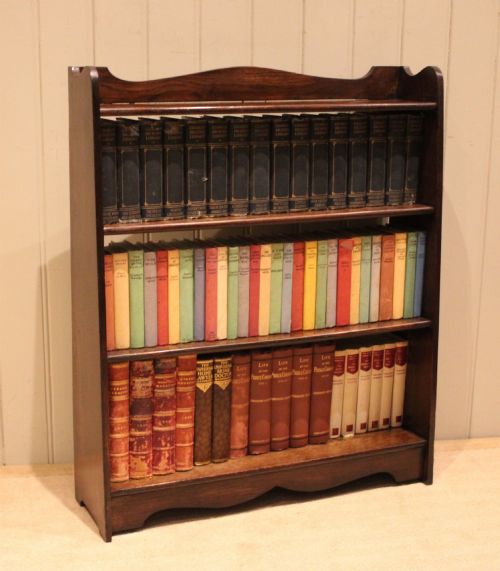
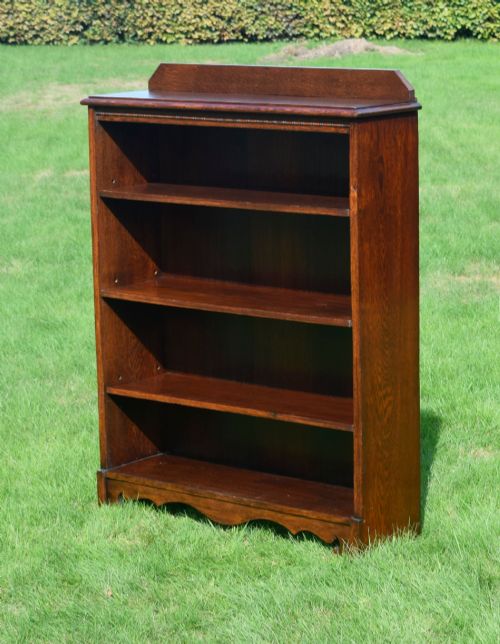
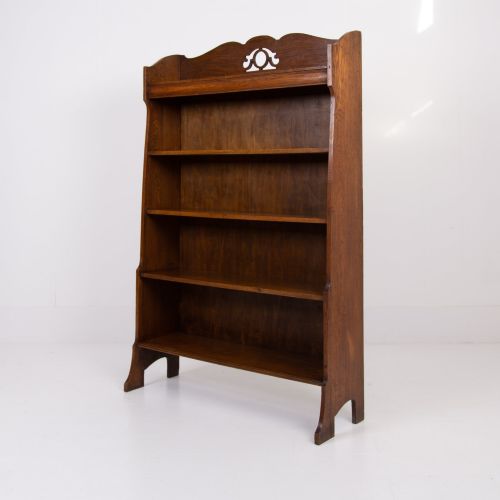
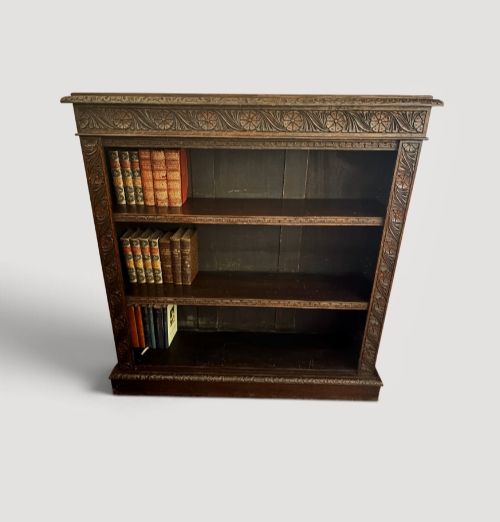
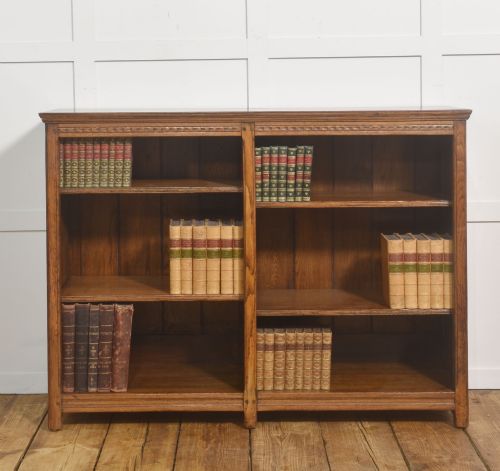
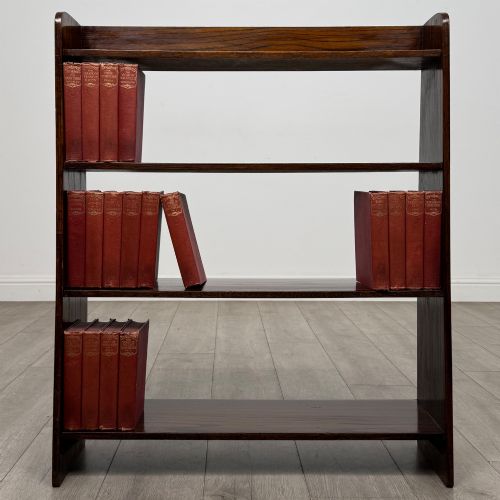
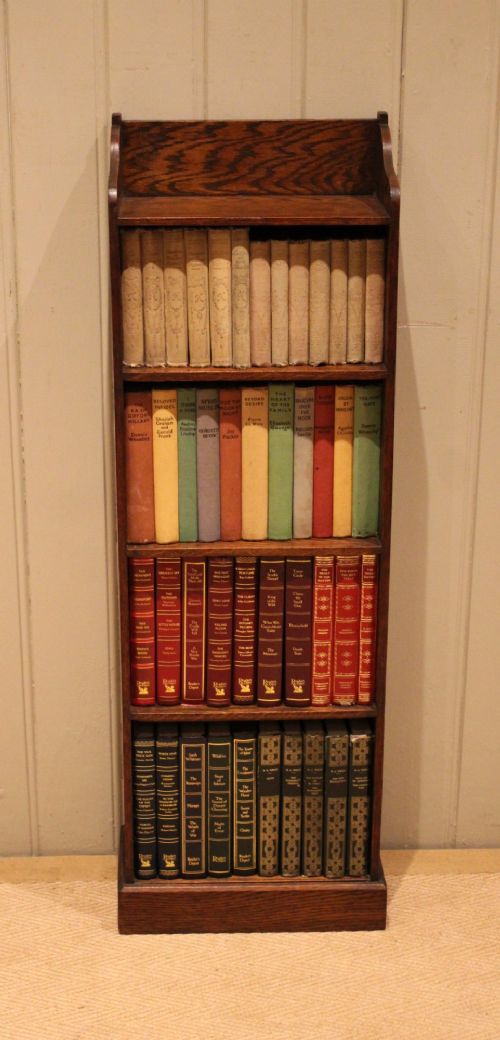
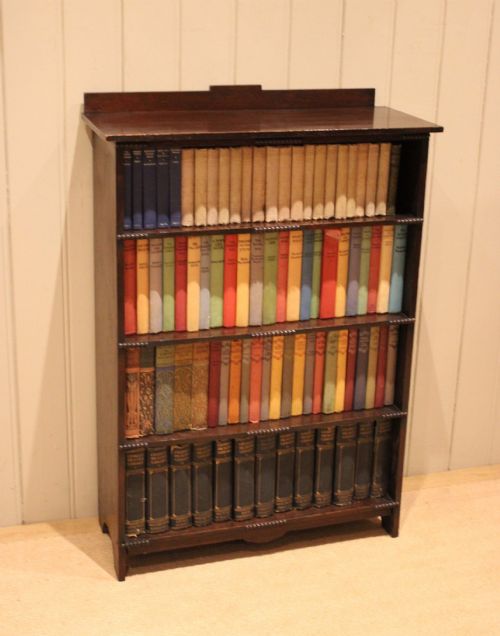
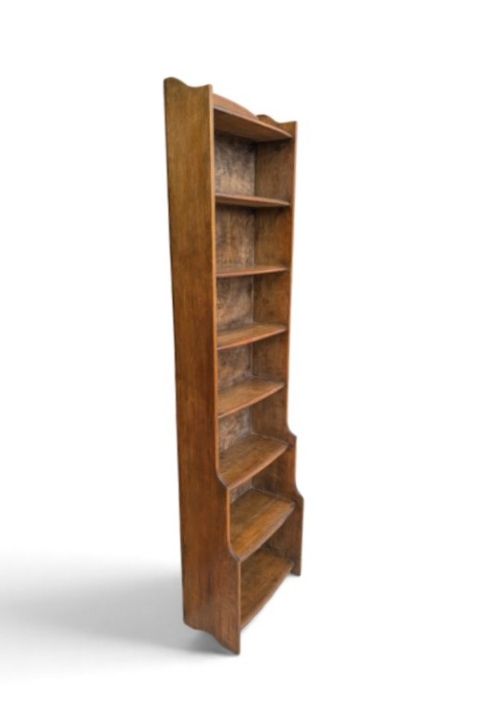
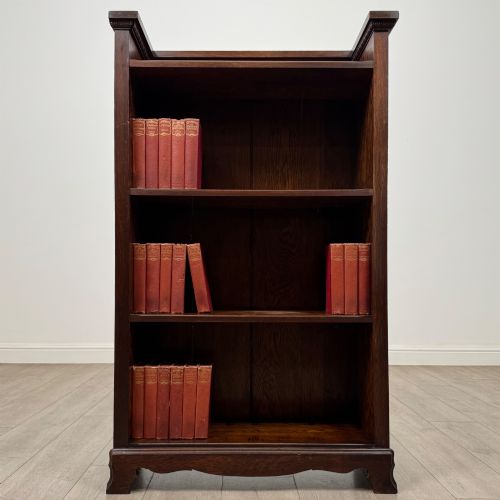
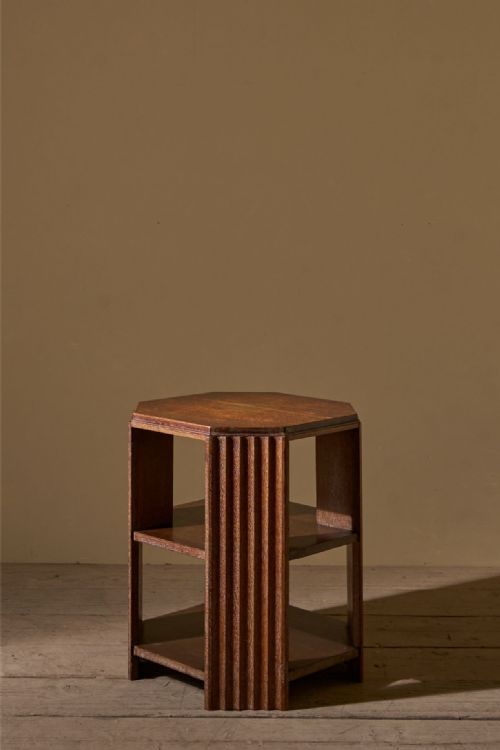
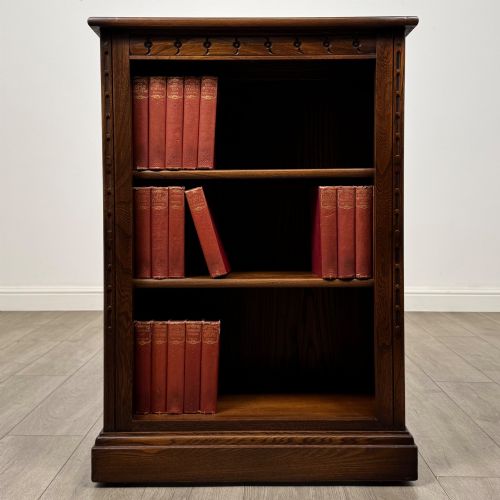
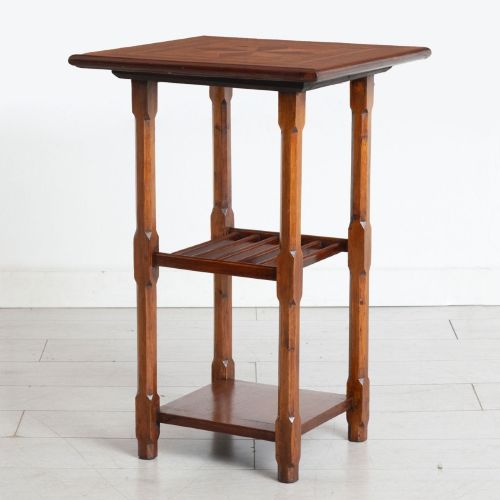
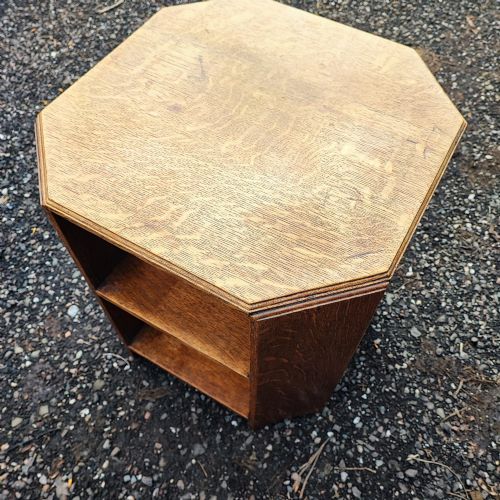
Standing oak shelves are sturdy pieces designed primarily for books and display, built to endure daily domestic use. When searching for standing oak shelves, a buyer encounters pieces originating from the nineteenth century through the early decades of the twentieth century. The forms range from simple open bookcases and narrow bookshelves to multi-tiered occasional furniture.
Edwardian and Arts and Crafts examples dominate the selection, alongside items from the Victorian era and the 1920s or 1930s. Many pieces feature open fronts for easy access, while others incorporate adjustable shelves or side compartments. The timber displays natural variations in tone, from pale golden hues to deep dark oak finishes.
Materials and Construction
Makers utilised solid oak alongside dark oak, golden oak, and limed oak, occasionally incorporating secondary woods or specimen timber for contrast. Brass and iron hardware such as brackets or handles appear on specific functional variants, while leather tops add a refined writing surface to select tables and bookcases.
Construction methods rely on traditional cabinet-making techniques suited to heavy hardwood. Joints are secured to support significant weight, and surfaces often display beaded edges, carved details, or peg fixings that reflect the period of manufacture.
Listings feature oak alongside brass and iron hardware across periods spanning the Victorian era through the 1930s.
Assessing Quality and Character
Quality in standing oak shelves rests upon the selection of the timber and the integrity of the joinery. Superior pieces display carefully matched grain patterns, solid backboards, and substantial weight without unnecessary bulk.
Design ambition separates standard utility pieces from notable workshop outputs. Finer examples exhibit considered proportions, subtle carvings, or thoughtful integration of hardware like brass fittings and leather inserts.
Heals·Liberty and Co·Wylie Lochhead·E A Taylor
The Standing Oak Shelves Glossary
- Open bookcase
- A piece of furniture designed for storing books without doors enclosing the front shelves. This form allows immediate visibility of book spines and contents.
- Arts and Crafts
- A design movement spanning the late nineteenth and early twentieth centuries emphasising handcraftsmanship and simple, honest construction. Pieces from this tradition often highlight the natural qualities of oak.
- Limed oak
- Timber treated with a specialised finish that leaves a white pigment in the open pores of the wood. This technique gained popularity during the Art Deco period.
- Pegged construction
- A method of joining wooden elements using wooden pins or dowels rather than metal nails. It provides durable structural stability.
- Beaded edge
- A narrow, rounded decorative moulding running along the edge of a shelf or frame. It adds subtle texture to the silhouette.
Standing Oak Shelves: Frequently Asked Questions
How do I date standing oak shelves?
Dating relies on observing stylistic markers, construction methods, and materials recorded in the piece. Victorian examples often feature heavier carved ornamentation, whereas Edwardian and Arts and Crafts pieces tend toward simpler lines and exposed joinery.
Later pieces from the 1920s and 1930s introduce finishes like limed oak or streamlined Art Deco profiles. Examining the backboards, fixings, and shelf support mechanisms provides further clues to the manufacturing era.
Are the shelves adjustable?
Many standing oak shelves feature fixed partitions built directly into the frame for maximum stability. However, several period examples incorporate adjustable shelves supported by wooden ratchets or metal pins.
Checking the interior sides of the bookcase reveals whether slots or rows of holes exist to alter shelf heights. This flexibility was particularly common in pieces intended for active libraries.
What is the difference between dark oak and golden oak?
Dark oak finishes typically reflect either the natural ageing of the timber over decades or deliberate staining popular during specific periods. These tones create a formal, traditional appearance suited to period interiors.
Golden oak exhibits a warmer, lighter hue that highlights the natural medullary rays in quarter-sawn timber. This brighter finish became prominent during the Edwardian era and the Arts and Crafts movement.
Can these shelves support heavy books?
Solid oak construction provides exceptional strength and load-bearing capacity compared to modern composite materials. The dense hardwood resists sagging under the weight of large volumes.
Thicker shelves and solid backboards further enhance structural integrity. Inspecting the overall build quality ensures the piece can safely accommodate dense book collections.