
Stainless Steel Timepiece
A stainless steel timepiece is a durable wrist or pocket watch designed to endure decades of daily wear while retaining its mechanical integrity.
Stainless Steel Timepiece
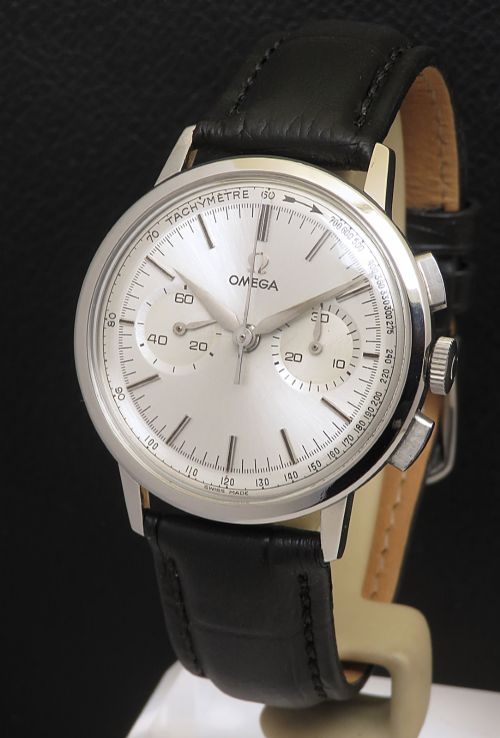
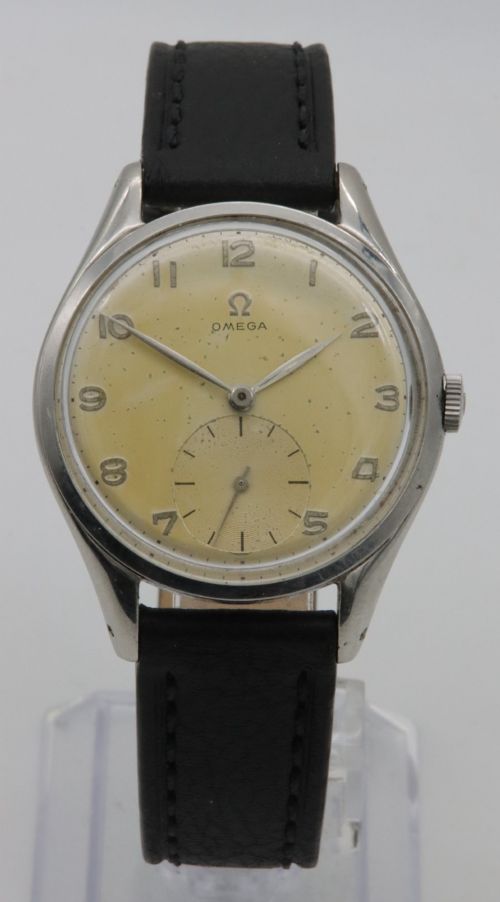
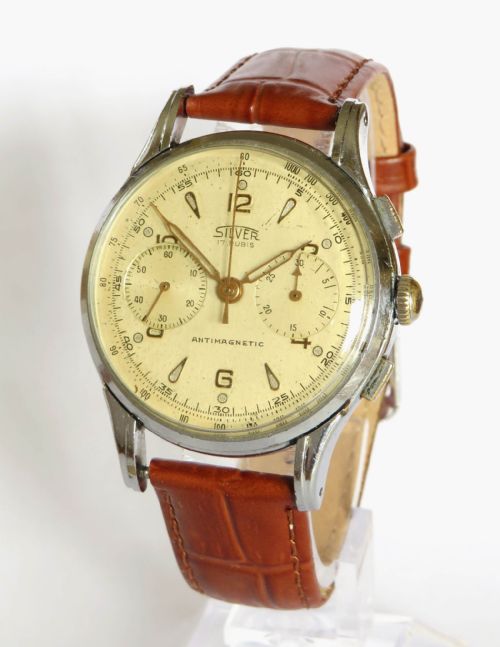
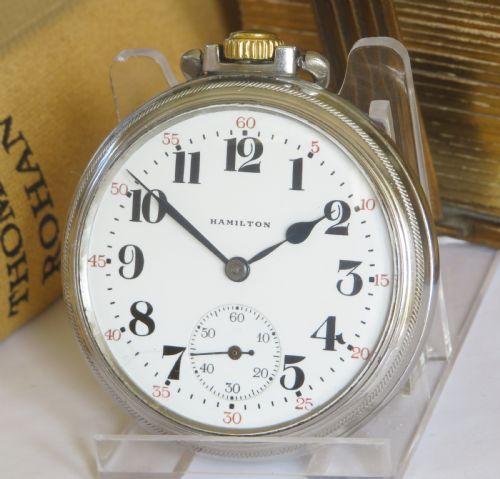
A stainless steel timepiece encompasses wristwatches, pocket watches, and chronographs dating from the 1930s through the 1960s. These objects originate from eras spanning Art Deco, mid-century modern, and military service designs.
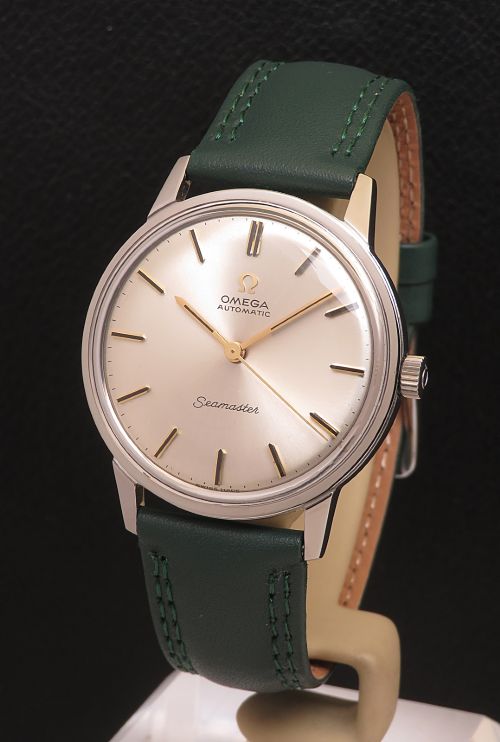
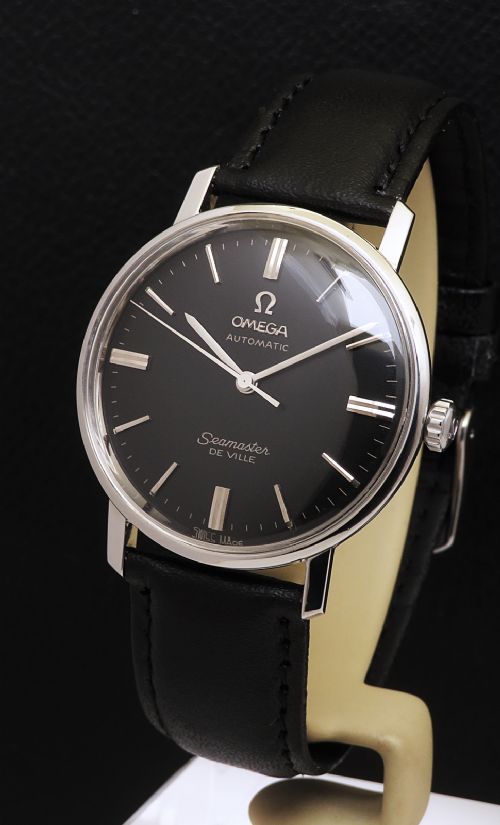
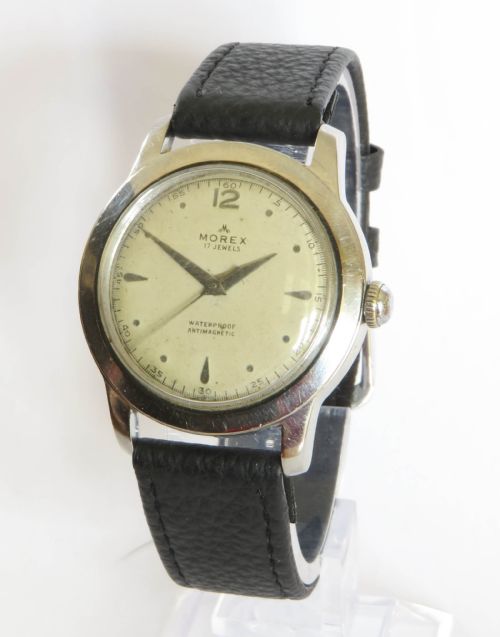
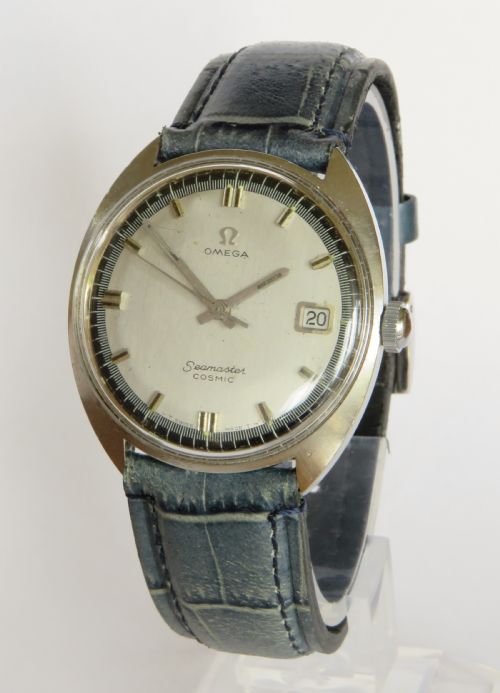
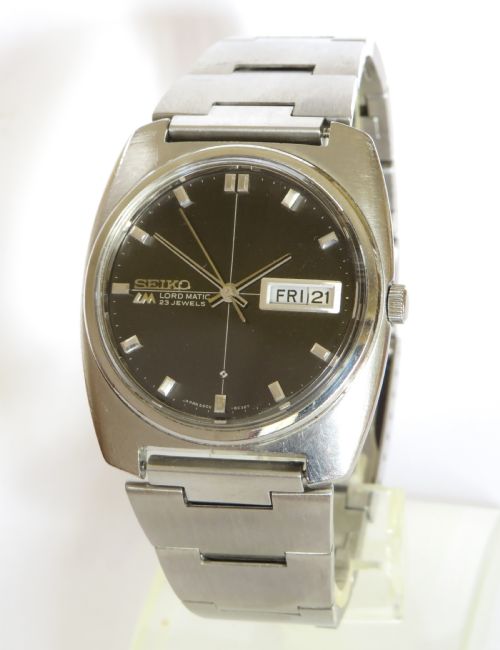
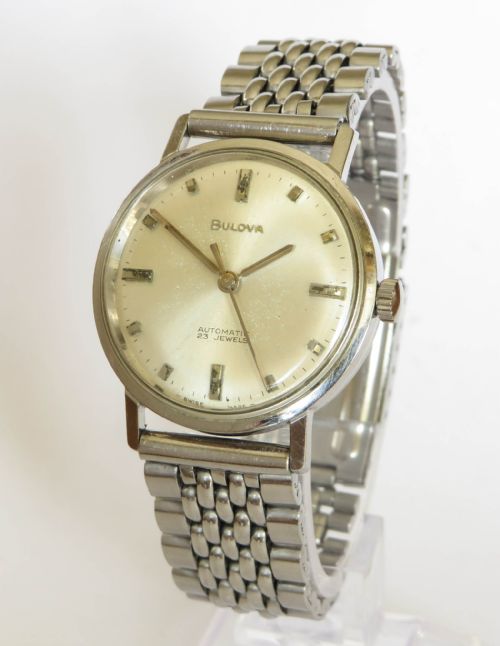
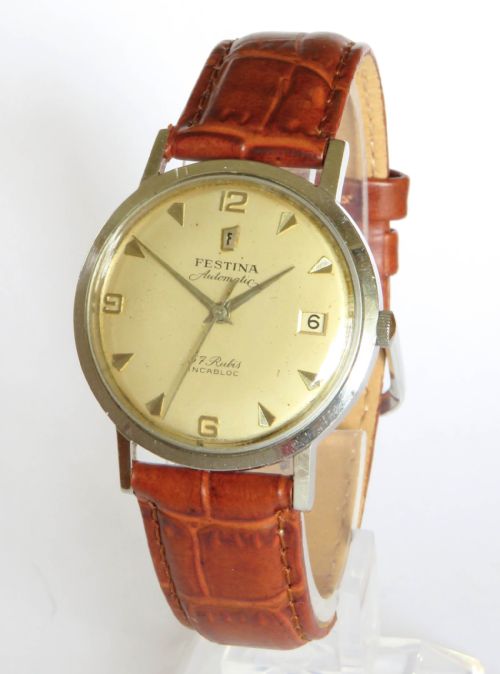
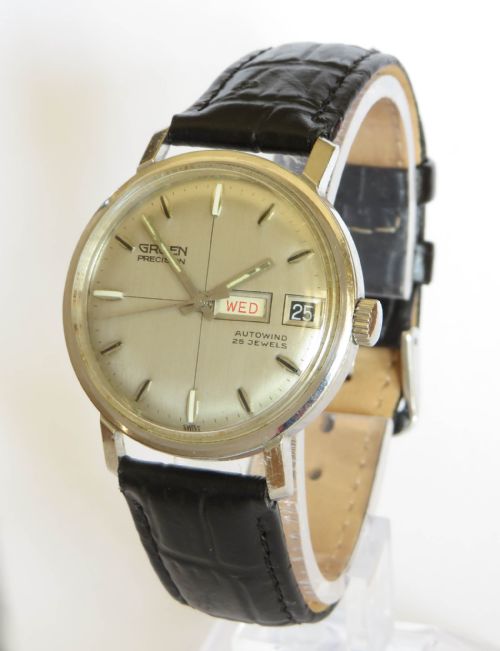
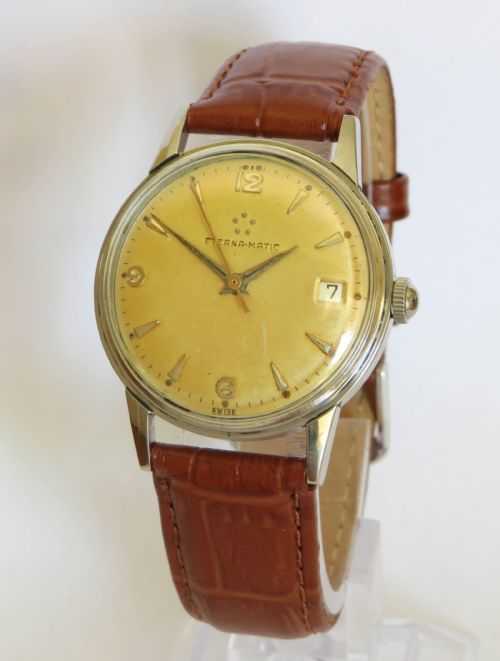
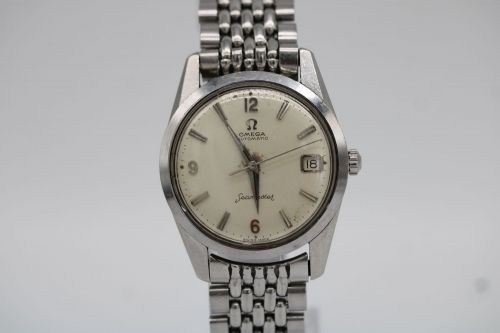
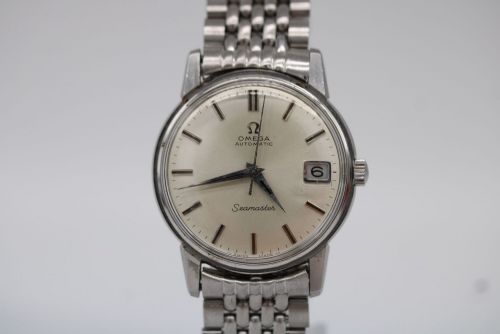
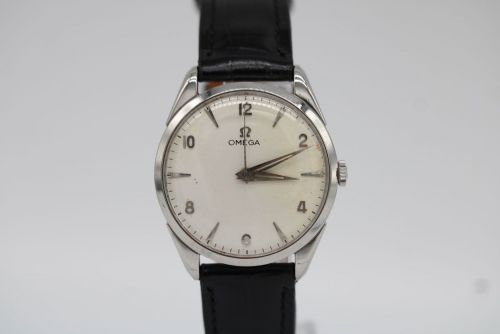
The version most commonly encountered on this page is the gents wrist watch from the 1950s or 1960s. Such pieces often feature automatic or manual wind movements housed in robust metal cases.
How they were made
Cases are formed from stainless steel, sometimes paired with chrome or acrylic glass to protect the dial. Dials incorporate enamel details, while straps utilise leather or fabric materials.
Movements rely on precision mechanical engineering, ranging from manual wind calibres to automatic auto-wind systems. Makers combined metal alloys with glass and acrylic components to ensure longevity and water resistance.
Some military pieces bear three crown stampings, proving that official government inspectors took a very close look indeed.
What varies in quality
The standard of a timepiece depends on the complexity of its movement, such as chronograph functions versus simple manual wind mechanisms. Calibres produced by established Swiss houses differ from standard commercial movements in their finishing and durability.
Preservation of original components also dictates worth. Pieces retaining unpolished steel cases, original dials, and signed movements command greater regard among collectors than those with replaced parts.
Omega·Longines·Tudor·Rolex·Bulova·Seiko·Eterna·Gruen·Tissot·Hamilton
The Stainless Steel Timepiece Glossary
- Chronograph
- A watch with a stopwatch function alongside its standard timekeeping display. These complications use independent sub-dials to measure elapsed seconds and minutes.
- Automatic
- A self-winding mechanical movement that uses a weighted rotor to wind the mainspring using the natural motion of the wearer's wrist.
- Calibre
- The specific internal movement manufactured for a watch model. Collectors reference this term to identify the exact mechanical generation of a piece.
- Acrylic glass
- A lightweight, shatter-resistant plastic material used for watch crystals during the mid-century period. It can be polished to remove surface scratches.
- Manual wind
- A mechanical movement requiring the wearer to hand-wind the crown regularly to store energy in the mainspring.
Stainless Steel Timepiece: Frequently Asked Questions
What is a stainless steel timepiece?
A stainless steel timepiece is a mechanical wrist or pocket watch built with a corrosion-resistant steel case. These items range from mid-century dress watches to military-issue gear.
They rely on wound springs and gears rather than electronic quartz batteries to keep time.
How do I wind a vintage watch?
To wind a manual watch, rotate the crown clockwise between your thumb and forefinger until you feel resistance. Stop immediately once tension increases to avoid damaging the mainspring.
Automatic models wind themselves through wrist movement, though gentle manual priming may be needed if they have stopped.
How do I identify the production era?
Era identification relies on case design, dial typography, and movement serial numbers. Art Deco styles point towards the 1930s, while clean minimalist layouts typically indicate the 1950s or 1960s.
Opening the case back to check the movement calibre offers the most precise dating evidence.
Can I wear my watch daily?
Many vintage watches are suitable for daily wear if treated with care regarding water exposure and impacts. Regular servicing by a watchmaker ensures internal lubricants remain effective.
Older acrylic crystals and non-waterproof cases require extra mindfulness during wet weather.