



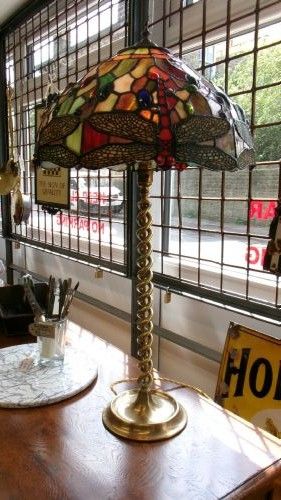

Stained Glass Art
Stained glass art brings colour and light into a room through leaded windows and intricate panels made over the last century.
Stained Glass Art
When searching for stained glass art, collectors encounter leaded windows, architectural panels, and small decorative objects created across the Victorian, Edwardian, and early twentieth-century periods.
The pieces most frequently met on this page are leaded glass windows from 1900 and 1910 featuring hand-painted motifs like countryside scenes, birds, and fruit designs.
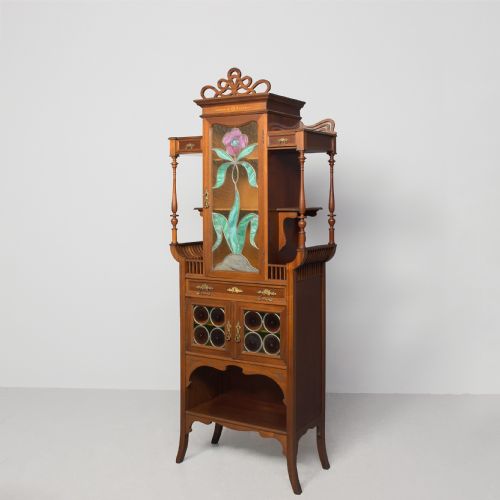
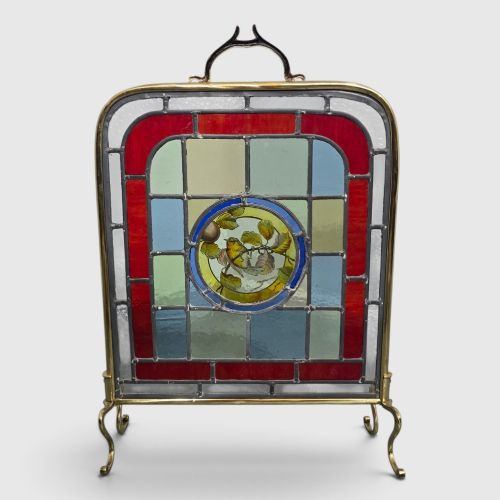
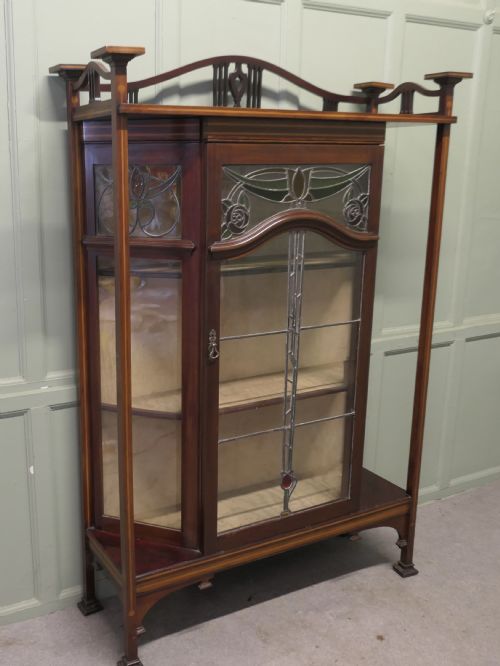
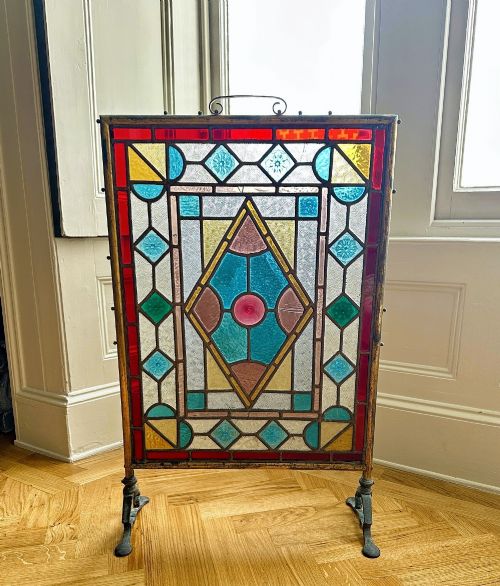
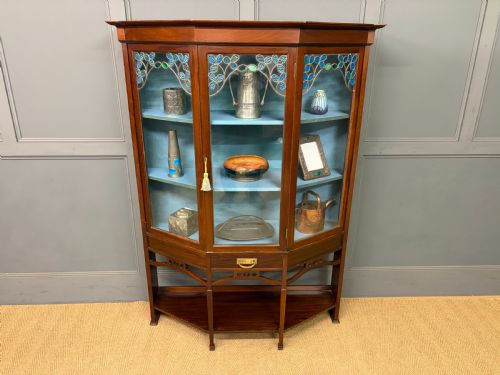
Beyond architectural windows, the category includes domestic items such as firescreens, display cabinets, and moulded glass pieces with coloured staining.
Materials and construction
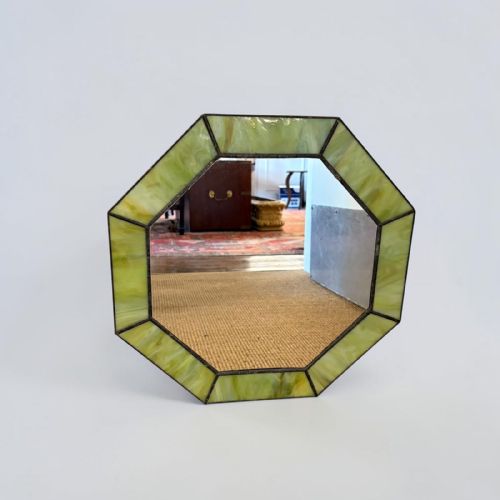
Makers constructed these pieces by joining sections of coloured or painted glass with lead cames to form pictorial and geometric designs.
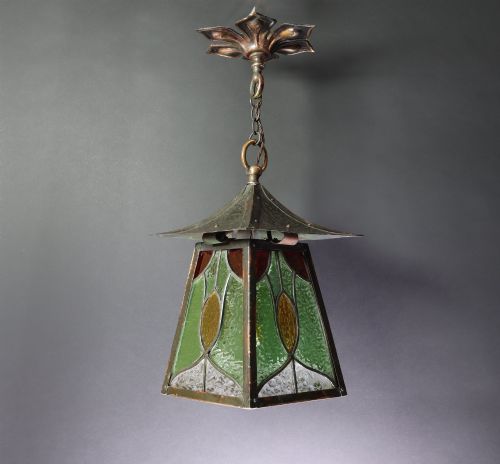
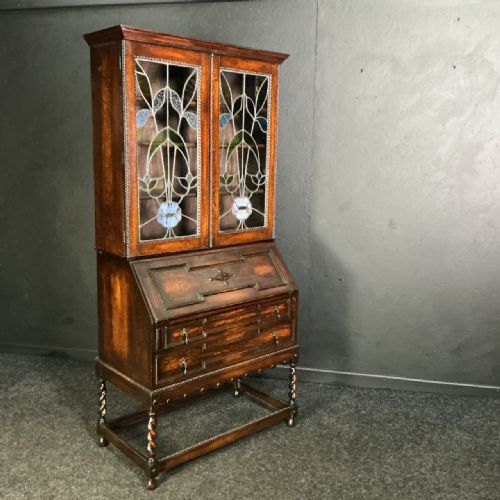
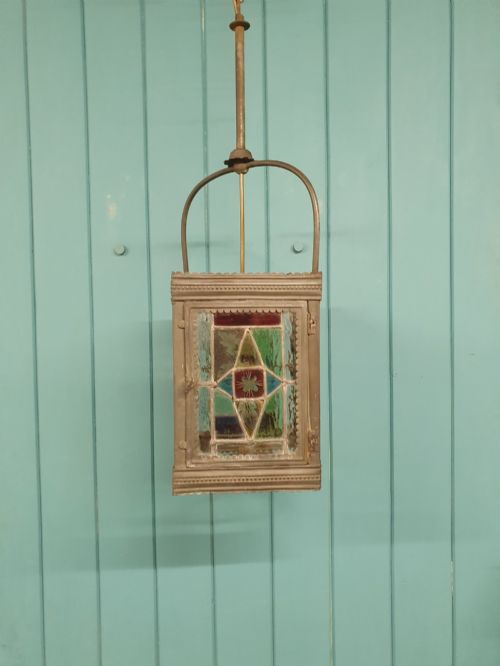
Wood such as oak and mahogany appears in frames and cabinets, while brass and iron support lanterns and firescreens.
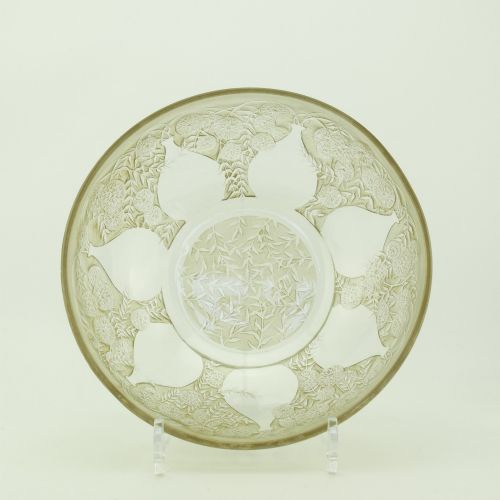
Moulded glass items utilise coloured staining techniques, including blue, red, and sepia pigments applied to highlight raised details.
Stained Glass Art Retail Price Guide 2026
Typical asking prices for stained glass art among the pieces listed under this phrase on Sellingantiques today, from the lower quarter to the upper quarter. They describe what is for sale here now, not the wider market.
Listings span from the 1880s to the 1930s, combining lead, glass, brass, and mahogany across items like windows, cabinets, and pendants.
Distinctions in craftsmanship
Quality rests in the precision of the lead work and the artistic merit of the hand-painted details found on the glass panels.
Finer examples integrate bullseyes and varied glass textures that catch natural light effectively, whereas simpler items rely on plain cut glass.
The integrity of the frame and the complexity of the original design separate standard production from master craftsmanship.
Shapland and Petter·Rene Lalique·S Theeman·Dropsy
The Stained Glass Art Glossary
- Lead came
- The grooved lead strips used to hold individual pieces of glass together in a window or panel. These flexible channels form the structural grid of the design.
- Bullseye
- A round central piece of glass with a raised centre, formed during the glassblowing process. They add texture and amber tones to leaded panels.
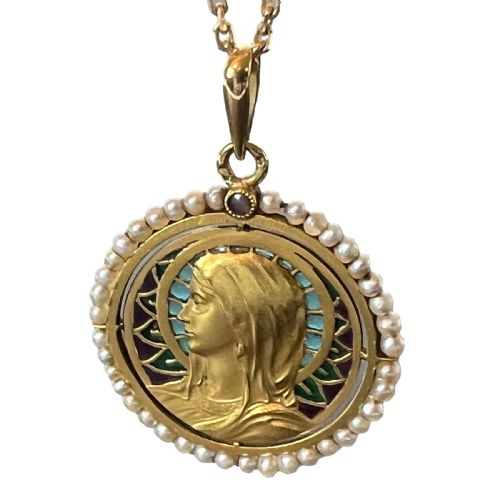
- Plique-a-jour
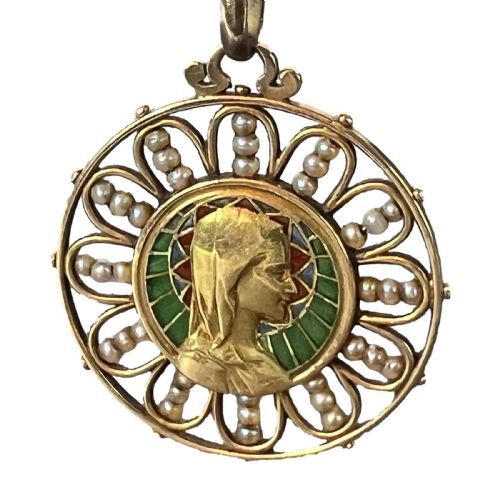
- An enamelling technique where enamel is applied in cells without a backing, resembling miniature stained glass. It lets light pass directly through the coloured areas.
- Came
- The metal rod used to frame and connect pieces of glass. Lead and zinc are typical metals utilised for this purpose.
Stained Glass Art: Frequently Asked Questions
How do I hang a stained glass window?
Stained glass panels and windows require secure chain fixings attached to the main window frame rather than the lead cames alone. This distributes the weight evenly and prevents sagging over time.
Positioning the panel where natural daylight passes through the glass reveals the hand-painted details and full depth of colour.
What is the difference between stained glass and painted glass?
Stained glass incorporates metallic oxides into the molten material during production, giving the glass its inherent colour throughout. Painted glass has surface pigments applied and fired onto clear or coloured sheets to create detailed scenes.
Many antique windows combine both techniques, using coloured glass alongside hand-painted botanical or avian motifs.
How should I clean antique stained glass?
Cleaning requires a soft cloth and a gentle soap solution, avoiding harsh ammonia-based chemicals that can damage the old lead cames and painted surfaces. Wipe carefully across the glass without applying heavy pressure to the joints.
Regular dusting keeps the lead and glass stable and maintains the clarity of the colours.
How do I date a stained glass panel?
Dating relies on the style of the leadwork, the subject matter, and the framing materials. Pieces from 1900 and 1910 often feature Arts and Crafts or Art Nouveau motifs such as birds on branches and hand-painted countryside scenes.
Examining the oxidation of the lead and the thickness of the glass provides further clues to the period of manufacture.