




Staffordshire Tableware
Staffordshire tableware brings centuries of English ceramic tradition to the table, offering everything from transfer-printed platters to hand-painted dessert sets for daily use.
Staffordshire Tableware
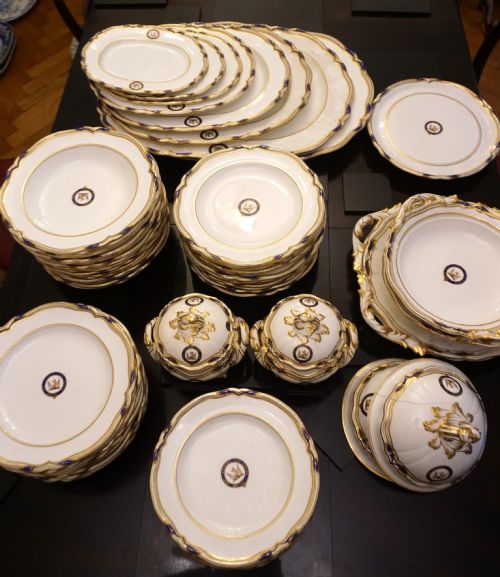
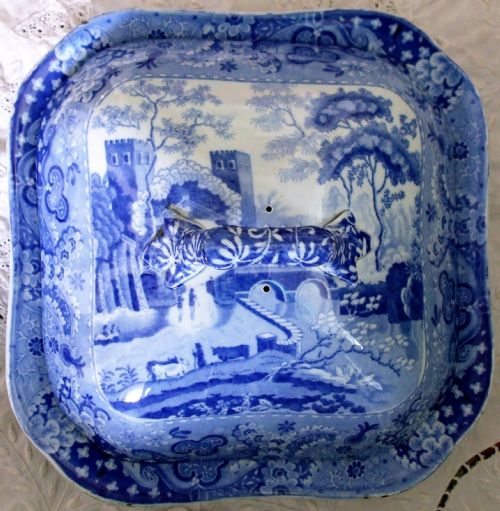
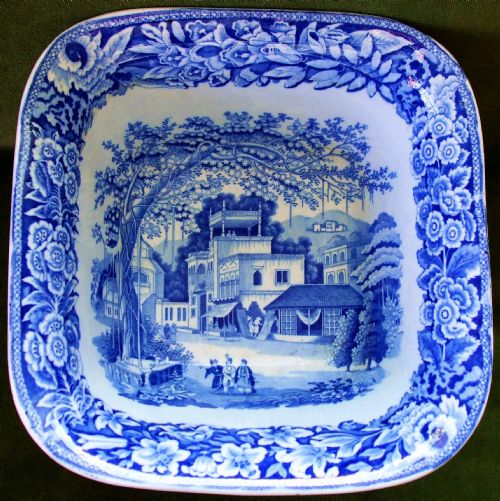
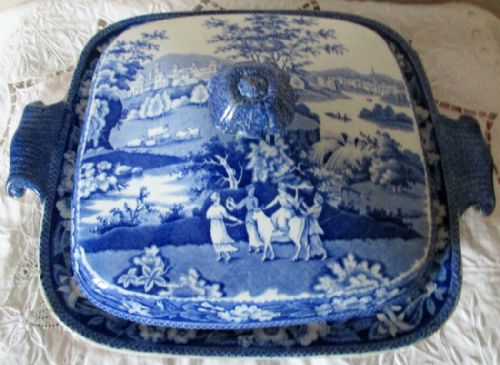
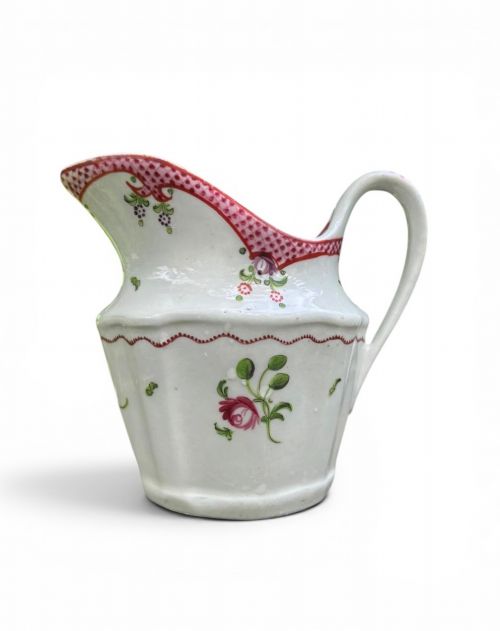
Staffordshire tableware encompasses a broad selection of historic ceramics designed for dining and display, ranging from grand meat dishes to delicate cream jugs. You will frequently encounter blue and white transfer-printed vegetable tureens, platters, and decorative plates originating from the Georgian and Victorian eras.
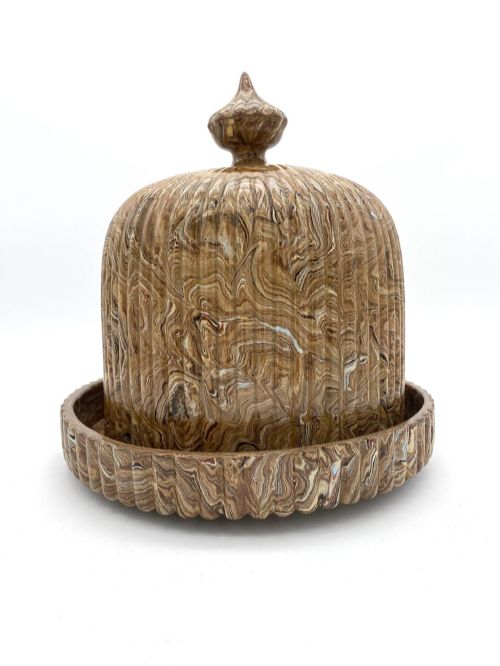
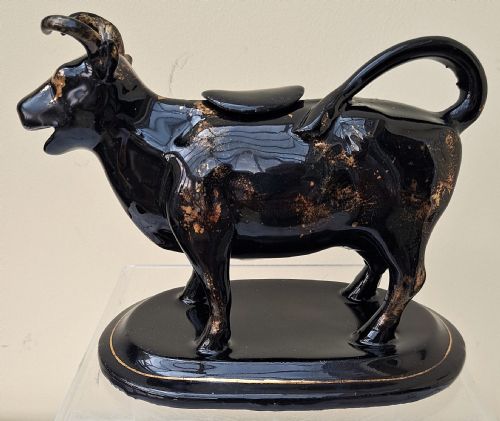
The assortment spans diverse utilitarian and decorative forms, including complete dessert services, child's plates, and whimsical animal creamers such as the Jackfield cow pieces. Pieces date from the eighteenth century through to the early twentieth century, reflecting shifting domestic habits and dining customs.
Makers represented in this tradition include notable potters like J. & R. Riley, J. & R. Clews, and William Adams, alongside larger factories such as Gladstone Potteries and Booths. These workshops produced both everyday earthenware and refined china services that defined British dining tables across multiple generations.
Materials and Techniques
Potters utilised various ceramic bodies including creamware, pearlware, earthenware, ironstone, and porcelain, shaping them into functional vessels and service sets. Creamware and pearlware dominated the earlier periods, while ironstone provided robust durability for heavy meat dishes later in the nineteenth century.
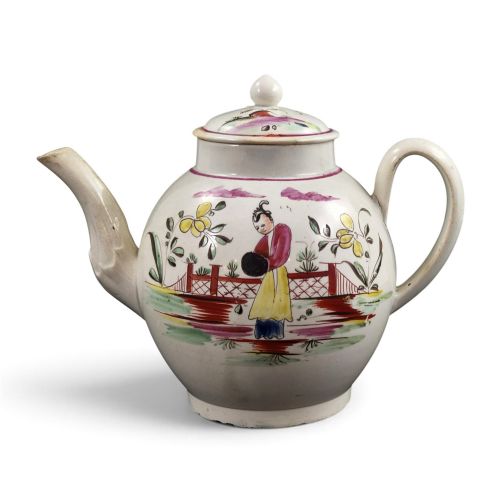
Decoration relied heavily on underglaze blue and white transfer printing to apply intricate topographical and figurative scenes onto plates, platters, and tureens. Artisans also applied hand-painted enamel colours and gilt highlights over the glaze to enrich teapots, dessert services, and decorative bowls.
Staffordshire Tableware Retail Price Guide 2026
Typical asking prices for staffordshire tableware among the pieces listed under this phrase on Sellingantiques today, from the lower quarter to the upper quarter. They describe what is for sale here now, not the wider market.
Assessing Quality
Quality in these ceramics often rests upon the crispness of the transfer print and the delicacy of the potting, where finer wares exhibit thinner walls and more refined handles. Richness in hand-painted enamel details and the careful application of gilt edging elevate certain dessert sets and teapots above standard utilitarian output.
The reputation of the maker also influences distinction, with signed or attributed works from established potteries commanding greater attention for their historical documentation and design execution. Preservation of the original glaze and the clarity of printed patterns without blurring remain key markers of superior manufacture.
J. & R. Riley·J. & R. Clews·John and Richard Riley·William Adams·John Ridgway·Booths·Gladstone Potteries·New Hall
The Staffordshire Tableware Glossary
- Transferware
- Earthenware or porcelain decorated by applying a printed design from a copper plate onto tissue paper, which was then transferred onto the unglazed or bisque ceramic body.
- Creamware
- A refined earthenware developed in eighteenth-century Staffordshire, characterised by its pale yellowish-cream transparent lead glaze.
- Pearlware
- An improved earthenware body introduced in the late eighteenth century, featuring a bluish-tinted glaze designed to mimic the appearance of Chinese porcelain.
- Ironstone
- A heavy, durable type of feldspathic earthenware patented in the early nineteenth century to withstand hard daily use as tableware.
- Tureen
- A deep covered vessel specifically designed for serving soups, sauces, or vegetables at the dining table.
- Jackfield
- A style of glossy black-glazed earthenware pottery, frequently moulded into animal figures such as cow creamers.
Staffordshire Tableware: Frequently Asked Questions
How do I date Staffordshire tableware?
Dating relies on identifying the ceramic body, such as distinguishing early creamware from later ironstone, alongside examining any maker marks or registration numbers impressed into the base.
stylistic clues like the depth of transfer-printed cobalt blue or the presence of Rococo Revival moulding also help narrow down the period of manufacture.
Can I use antique Staffordshire for dining?
Many robust pieces like ironstone meat dishes and transfer-printed plates remain structurally sound for occasional serving use, though hand-washed care is essential.
pieces featuring delicate overglaze enamels or gilt highlights are better suited for display to protect their historic surface decoration from wear.
What is a cow creamer?
A cow creamer is a small ceramic vessel moulded in the shape of a cow, designed to hold cream with an opening on the back for pouring.
these whimsical pieces were popular in British households, particularly in the Jackfield black-glazed earthenware style during the nineteenth century.
What is the difference between creamware and pearlware?
Creamware has a warm, ivory-toned glaze that suited the neoclassical taste of the late eighteenth century, while pearlware uses a slight cobalt additive in the glaze to create a whiter finish.
pearlware development aimed to replicate the cool brightness of imported Chinese porcelain at a more accessible domestic cost.