





Staffordshire Ceramic Lid
Staffordshire ceramic lid options bring functional nineteenth-century pottery into modern homes through transfer-printed soup tureens, tobacco jars, and decorative tableware.
Staffordshire Ceramic Lid
A staffordshire ceramic lid forms part of nineteenth-century earthenware and pottery vessels such as vegetable tureens and tobacco jars. Buyers searching this phrase encounter protective covers belonging to larger tableware sets produced during the Victorian and Georgian periods.
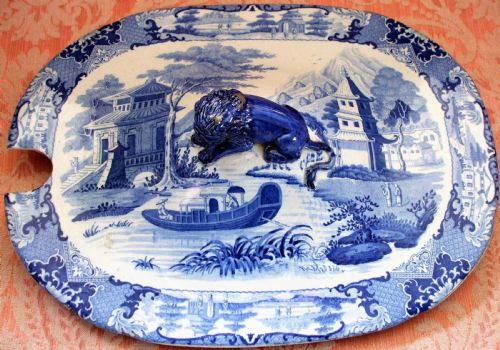
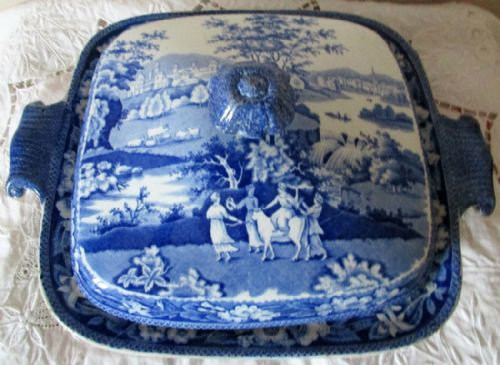
The most common examples on this page are transfer-printed covers belonging to blue and white pottery tureens. These pieces display scenic patterns like the Canton River Scene or Europa, originating from English potteries working in the nineteenth century.
Other variations include covers for majolica sardine boxes and figural tobacco jars depicting characters like Pierrot. Each lid matches the earthenware body of its original vessel through consistent glaze and ceramic manufacture.
Materials and Methods
Potters formed these items using traditional earthenware and pottery bodies shaped into covers for tureens, jars, and boxes. Artisans applied liquid glaze over the ceramic surface before firing the pieces in kilns to achieve a protective finish.
Makers decorated many nineteenth-century examples using blue and white transfer printing techniques to apply detailed landscape scenes. Some specialised covers also incorporate moulded figural elements and hand-applied colour pigments beneath the final glaze layer.
Some nineteenth-century potters sculpted ceramic lids into cheerful theatrical characters like Pierrot just to store loose tobacco.
Assessing Quality
Quality in these earthenware covers rests upon the clarity of the transfer-printed design and the precision of the moulding. Finer examples display crisp topographical details without smudging in the blue pigment.
The integrity of the ceramic body and the smoothness of the applied glaze distinguish superior items from standard domestic ware. Well-preserved pieces retain their original surface sheen and fit securely onto their corresponding vessels.
Robert Hamilton·John and Richard Riley·James Wallace and Co·Thomas Forester and Sons
The Staffordshire Ceramic Lid Glossary
- Earthenware
- A porous pottery body fired at lower temperatures and coated with a vitreous glaze for impermeability. This material forms the base of traditional nineteenth-century tableware and tureen covers.
- Transfer Printing
- A decoration technique where an engraved copper plate transfers a design onto tissue paper, which is then impressed onto the ceramic body. This method allowed English potteries to produce detailed scenes on tureen lids efficiently.
- Tureen Cover
- A removable ceramic lid designed to fit over a large serving bowl or vegetable dish. These covers often feature a moulded handle or knob on top.
- Majolica
- A type of colourful lead-glazed earthenware popular during the Victorian era. It provides vibrant tones on decorative boxes and specialised lids.
- Prattware
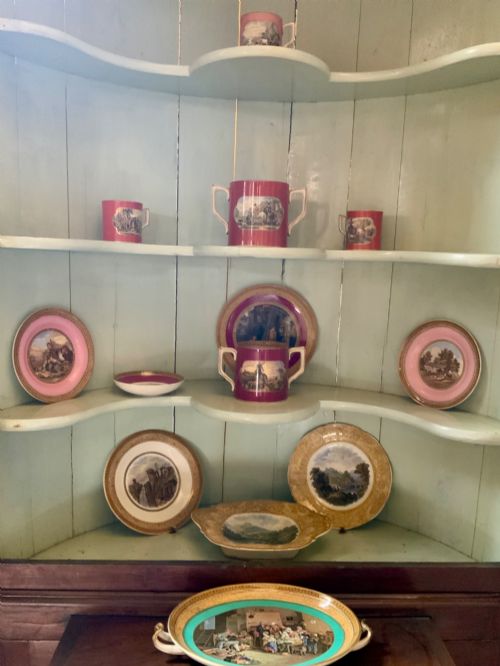
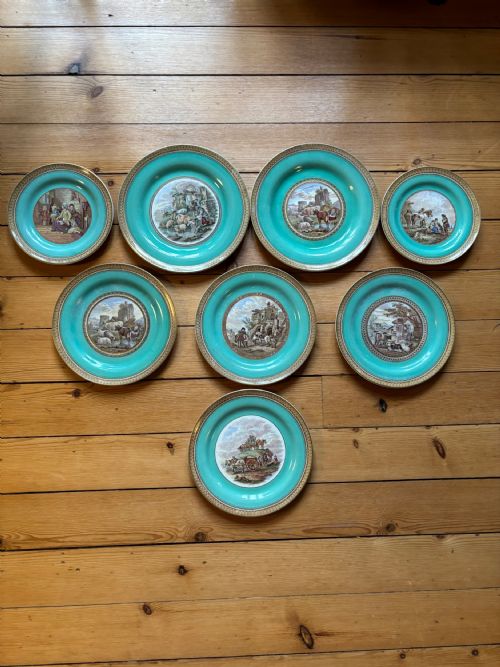
- A specific type of nineteenth-century English earthenware known for multicoloured underglaze decoration. Collectors prize these pieces for their historical plaques and commemorative subjects.
Staffordshire Ceramic Lid: Frequently Asked Questions
What vessels do these lids belong to?
These ceramic covers primarily belong to nineteenth-century tableware items such as vegetable tureens, soup tureens, and tobacco jars. They were manufactured as protective tops for serving vessels.
Many examples match transfer-printed pottery sets featuring scenic rural or river designs from English potteries.
How do I date an antique ceramic lid?
Dating relies on the specific ceramic body, the style of the transfer printing, and the potting characteristics typical of the Victorian and Georgian eras. Blue and white patterns often indicate production during the early to mid-nineteenth century.
Makers' marks or specific named patterns also help establish the exact period of manufacture.
Were these lids sold separately from tureens?
Potters originally produced these covers as integrated components of complete serving sets and tureens. Surviving individual lids usually became separated from their base vessels over centuries of domestic use.
Finding a matching base and lid together remains an uncommon occurrence for antique tableware.
How should I clean an antique ceramic cover?
Cleaning requires gentle washing with lukewarm water and a soft cloth to protect the historic glaze and earthenware body. Harsh detergents and abrasive scrubbing should be avoided entirely.
Careful handling prevents accidental chipping of the ceramic edge or moulded handle.