

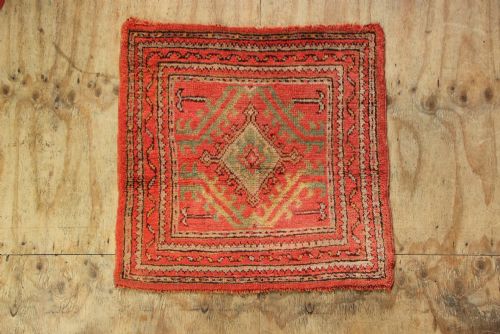


Square Wool Rug
A square wool rug brings symmetry to a room, offering geometric balance through traditional weaving and tribal artistry.
Square Wool Rug
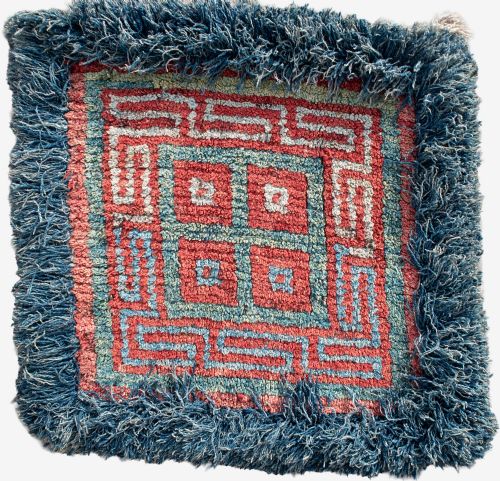
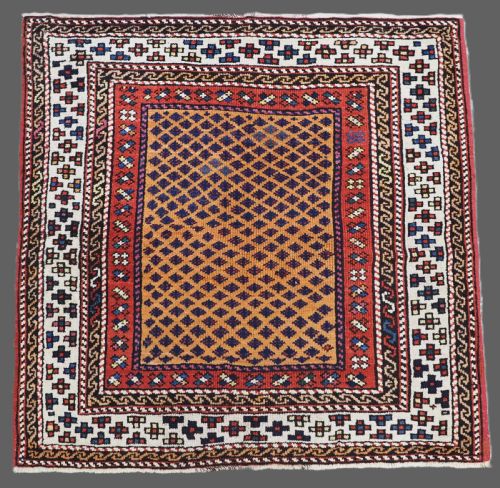
A square wool rug presents balanced proportions that suit specific room layouts where standard runners or rectangular formats fall short. These pieces span formats from small seating mats and prayer rugs to large room-size carpets.
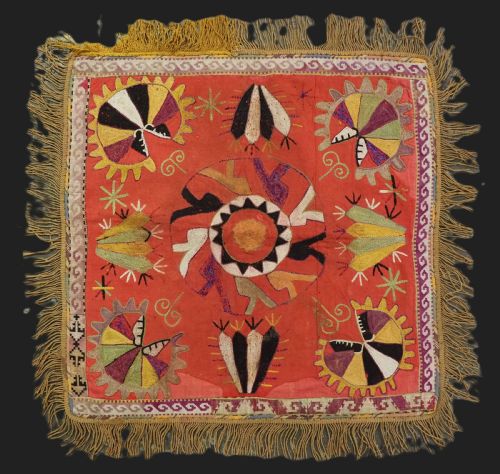
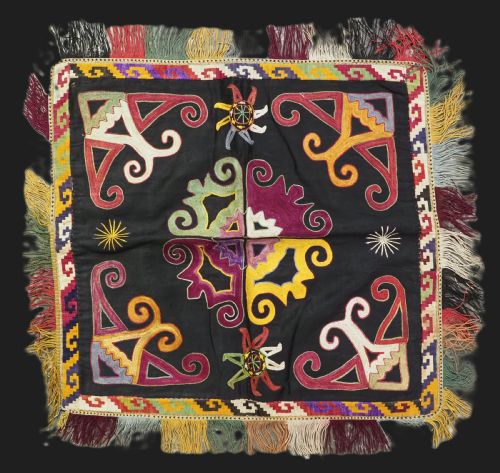
The selection includes Central Asian tribal embroideries, Persian village and city weaves, Anatolian designs, and European Aubusson examples. Each piece utilises wool as the primary medium, frequently complemented by cotton and silk elements.
Makers shaped these square formats across the nineteenth and early twentieth centuries, drawing on regional traditions from Turkey, Persia, China, Tibet, and the Caucasus. Buyers encounter everything from nomad bread cloths to formal room-size carpets.
Materials and Construction
Weavers relied primarily on wool for its resilience and capacity to hold rich dye colours across generations of daily use. Cotton and silk appear alongside wool, providing structural support in foundations or delicate highlights in surface details.
Nomadic and village artisans knotted or embroidered these textiles by hand, utilising locally sourced materials and traditional regional looms. The structural integration of wool, cotton, and silk defines the physical substance of each textile.
Square Wool Rug Retail Price Guide 2026
Typical asking prices for square wool rug among the pieces listed under this phrase on Sellingantiques today, from the lower quarter to the upper quarter. They describe what is for sale here now, not the wider market.
Listings span periods from the nineteenth century through the early twentieth century, incorporating wool, cotton, and silk.
Assessment of Quality
The fineness of the weave and the precision of the geometry dictate the calibre of each textile. Tightly packed knots and clear structural symmetry distinguish master workshops from simpler village productions.
Material selection and dye depth elevate certain pieces above others, particularly where silk highlights or exceptionally fine wool remain intact. The harmony between the original design intent and the current condition of the fibres determines the standing of the piece.
The Square Wool Rug Glossary
- Sofreh
- A dining or bread cloth used by nomadic groups, often featuring utilitarian designs suited for daily domestic life.
- Ilgich
- A dowry embroidery created by Central Asian Lakai tribes specifically for wall hanging display.
- Prayer rug
- A small format textile designed with a specific niche or arch motif pointing toward Mecca during worship.
- Ziegler
- A nineteenth century firm that produced commercial carpets in Persia to suit Western decorative tastes.
Square Wool Rug: Frequently Asked Questions
Where do square wool rugs work best?
These balanced formats fit beneath square tables, in central hall spaces, or mounted on walls as textile art. Their symmetrical dimensions help ground rooms that feature boxy or square architectural layouts.
The historical variety ranges from small seating mats to large room-size carpets, allowing integration into diverse interior spaces depending on the chosen scale.
How do I care for my rug?
Gentle vacuuming without a rotating brush protects the wool pile and prevents fibre distortion over time. Professional cleaning tailored to antique textiles ensures the preservation of natural dyes.
Keeping the textile away from direct, harsh sunlight prevents the fading of natural wool and silk tones.
What defines tribal square rugs?
Tribal pieces display geometric motifs, earthy regional palettes, and spontaneous design variations created by nomadic weavers. These patterns reflect the specific cultural heritage of groups such as the Afshar, Lakai, and Kazak.
Such rugs contrast with formal city carpets through their direct connection to village and nomadic traditions.
How are periods identified?
Structural characteristics, dye types, and specific regional motifs help establish the approximate era of manufacture. Nineteenth and early twentieth-century pieces display specific handling of wool and cotton foundations.
Comparative analysis of known tribal and workshop styles provides reliable dating parameters for each piece.