



Square Tapered Legs
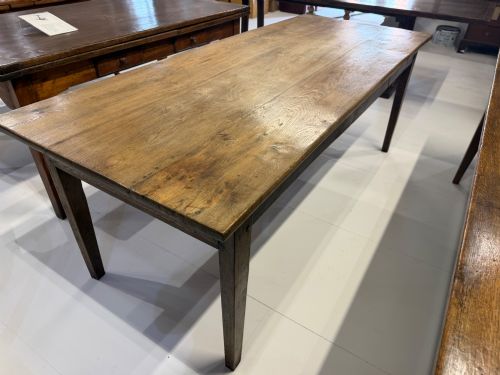
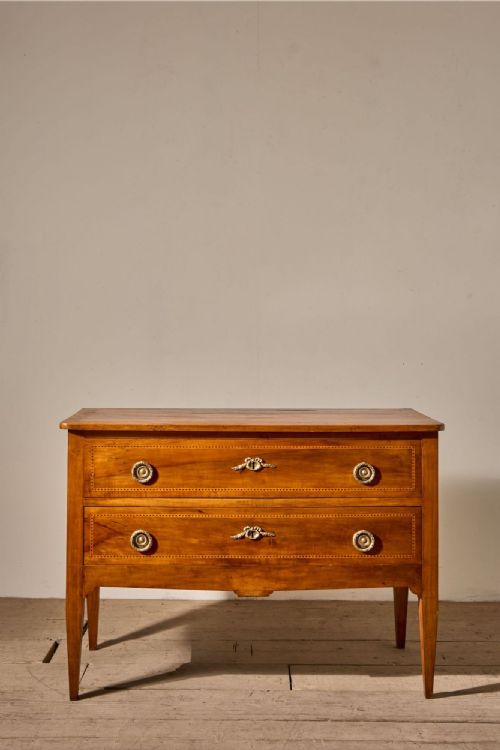
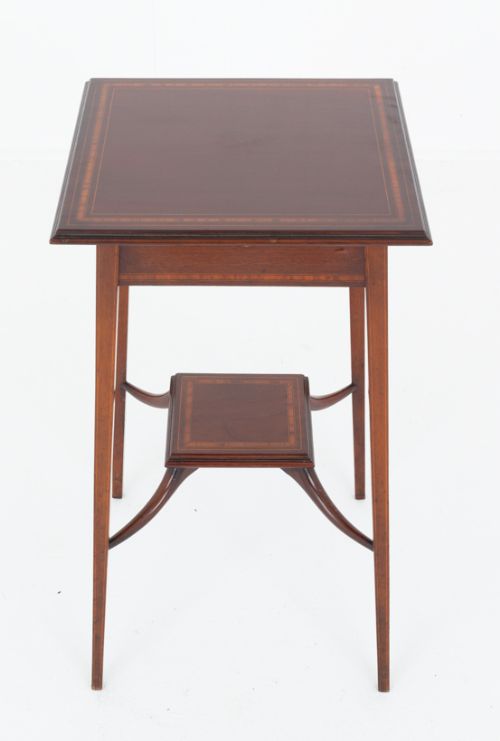
Square tapered legs define the clean geometry of these tables, sideboards and seating pieces from the Georgian and later periods.
Square Tapered Legs
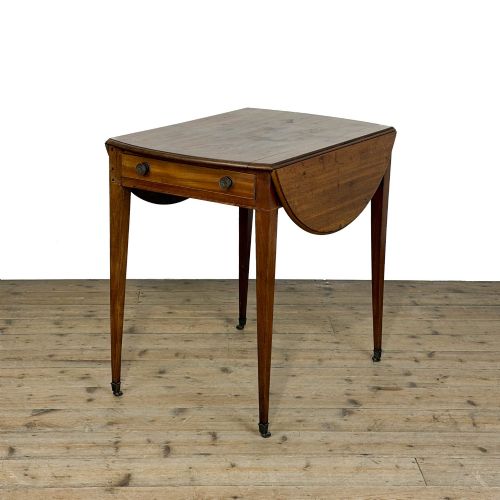
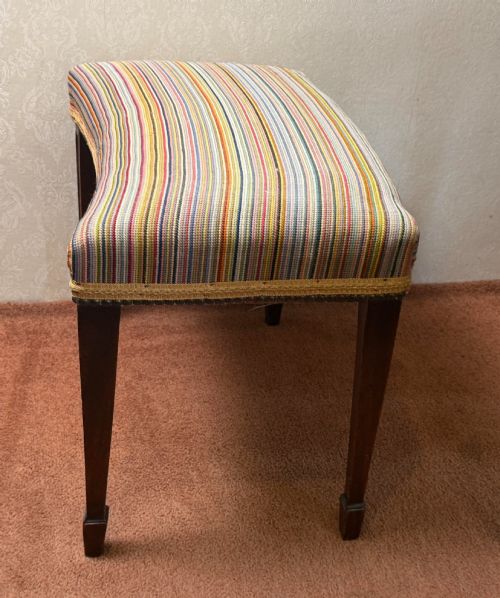
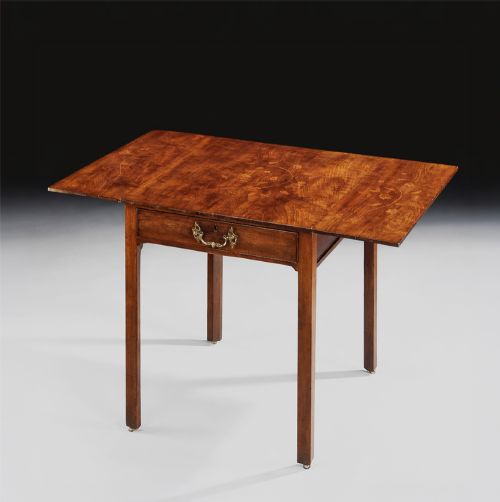
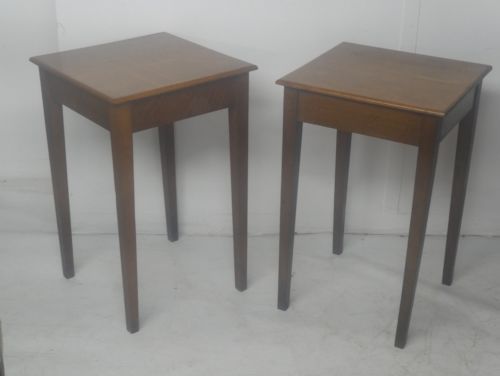
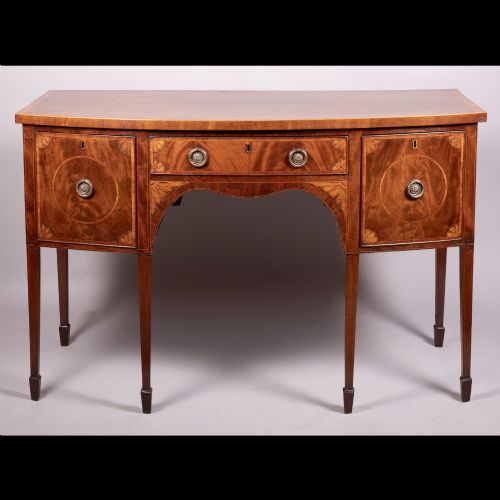
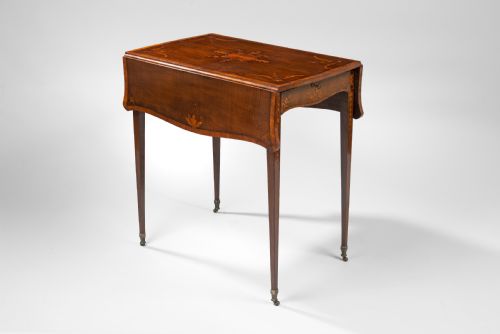
When you search for square tapered legs, you are looking at furniture designed to bring structural lightness and straight-lined elegance to domestic interiors. The pieces on this page span the 18th century through the Edwardian era, taking the form of pembroke tables, sideboards, card tables and seating.
The most common examples you will meet here are Georgian and 19th-century mahogany tables and sideboards, where the geometry of the leg softens heavy timber forms. Makers applied this leg profile across diverse object types, from small occasional stands to large dining tables and upholstered chairs.
Materials and construction
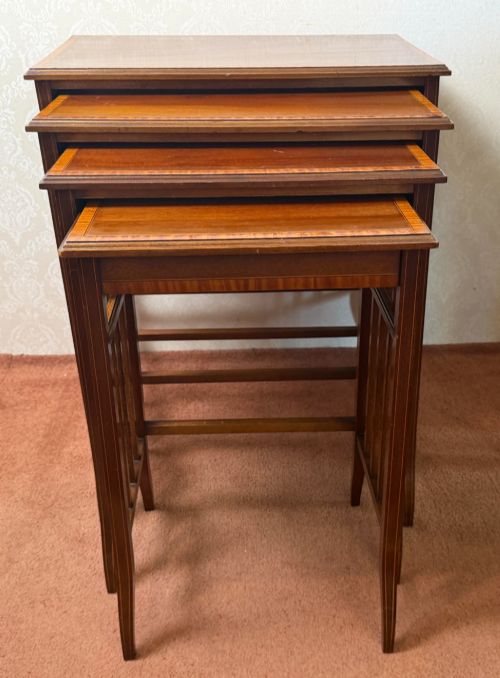
Cabinet makers built these pieces primarily using solid mahogany and mahogany veneers, often enhanced with contrasting timbers like satinwood, boxwood and rosewood for inlay and crossbanding. The tapering leg required precise hand planing to achieve a uniform decrease in dimension from top to foot without weakening the timber grain.
Inlaid details such as stringing and marquetry panels demonstrate the careful hand-fitting of fine hardwoods into primary carcases. Structural joints relied on traditional mortise and tenon construction, ensuring stability while keeping the slender profile of the leg intact.
Even sturdy oak lidded storage boxes and wine coolers demanded the elegance of a slim, tapering leg.
Judging the range
The distinction between standard and finer pieces lies in the crispness of the leg taper and the selection of timber figures. Superior examples display straight, unwarped grain running down the entire length of the leg, paired with rich, well-figured mahogany on the surfaces.
Execution of inlay and the neatness of timber joints further separate ordinary workshop output from master cabinet making. The integration of the leg into the apron or frame reveals the care taken during assembly.
Robson & Sons·Howard & Sons
The Square Tapered Legs Glossary
- Pembroke table
- A small rectangular table with two hinged drop leaves, frequently supported on square tapered legs. They served versatile functions in the sitting room.
- Crossbanding
- A strip of veneer applied to the edges of a tabletop or drawer front with the grain running perpendicular to the main surface.
- Marquetry
- Decorative patterns formed by fitting pieces of various coloured woods into a veneer background.
- Spade foot
- A broadened, rectangular foot at the base of a tapered leg, commonly found on late 18th-century pieces.
- Stringing
- Thin lines of contrasting wood inlay used to outline panels and drawers on cabinets and tables.
Square Tapered Legs: Frequently Asked Questions
What periods feature square tapered legs?
These legs appear most frequently on pieces from the George III period and the later revivals of the 19th century. Cabinet makers adopted this straight-lined form to replace heavier cabriole supports.
Examples on this page extend from the 18th century through Edwardian interpretations, maintaining a consistent preference for geometric restraint.
How were square tapered leg tables used?
Pembroke tables, card tables and sideboards served flexible roles in Georgian and Victorian parlours and dining rooms. Their lighter frames allowed servants to move them easily for tea or games.
Smaller tables functioned as lamp or occasional stands, placing refined surfaces beside seating areas.
Which woods are most common?
Mahogany forms the primary timber across the vast majority of these listings, often paired with satinwood and boxwood for decorative contrast. Occasional pieces utilise cherrywood, oak or harewood.
Inlays and crossbanding introduce lighter tones to dark mahogany carcases.
How do I identify a revival piece?
Revival pieces from the Edwardian era or late 19th century replicate earlier Georgian proportions using machinery alongside traditional hand methods. Timber seasoning and secondary woods often provide clues to a later date.
Examining internal construction helps distinguish original 18th-century manufacture from Sheraton or Hepplewhite revival copies.