
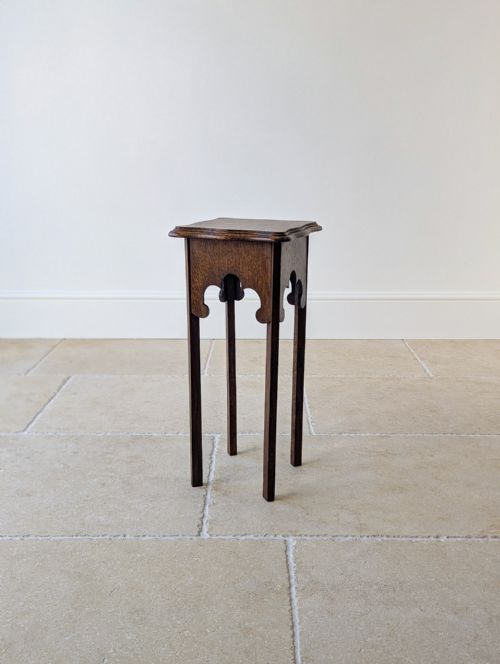
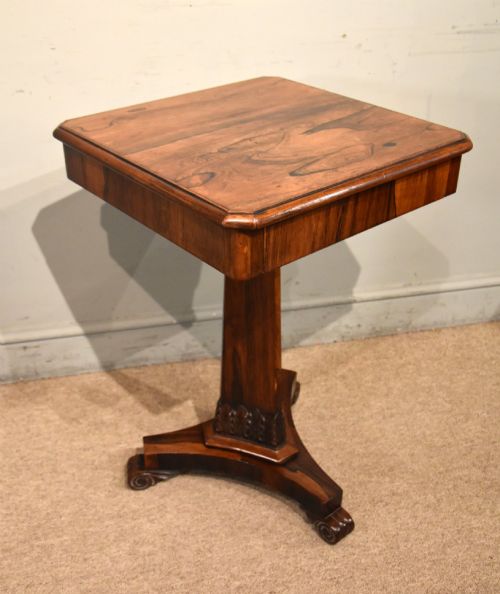

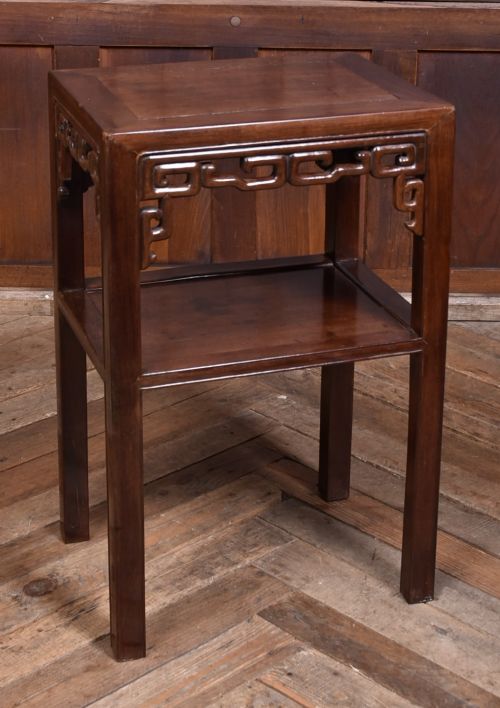
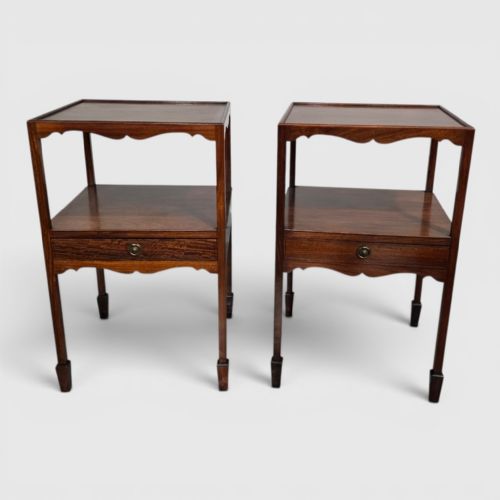


Square Pedestal Side Table
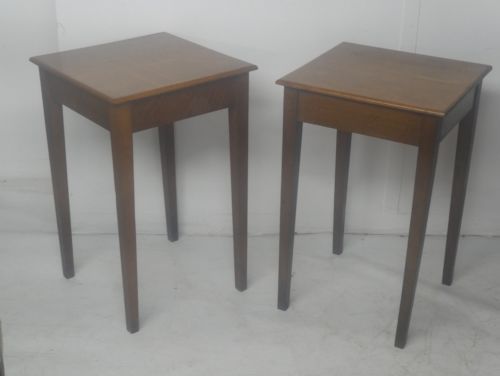
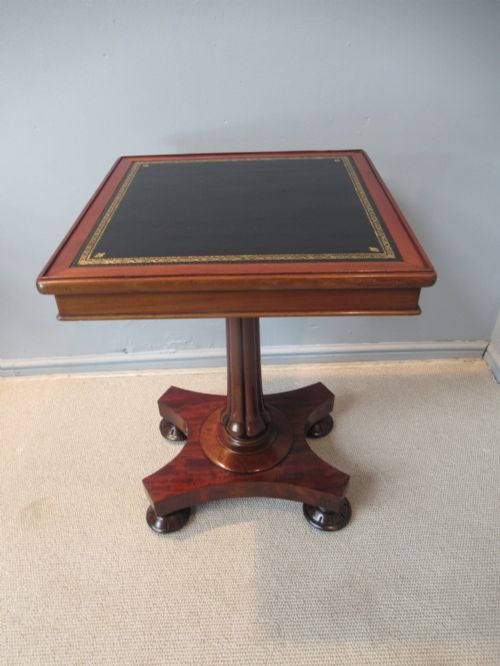
These square pedestal side table pieces combine compact utility with classic form, offering a sturdy central support and a geometric surface.
Square Pedestal Side Table
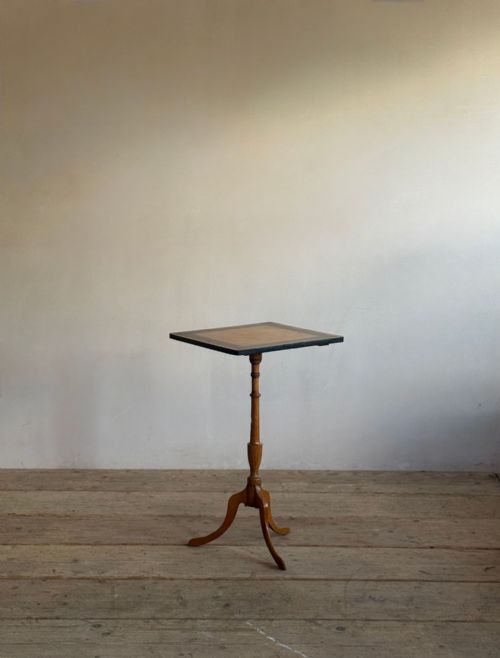
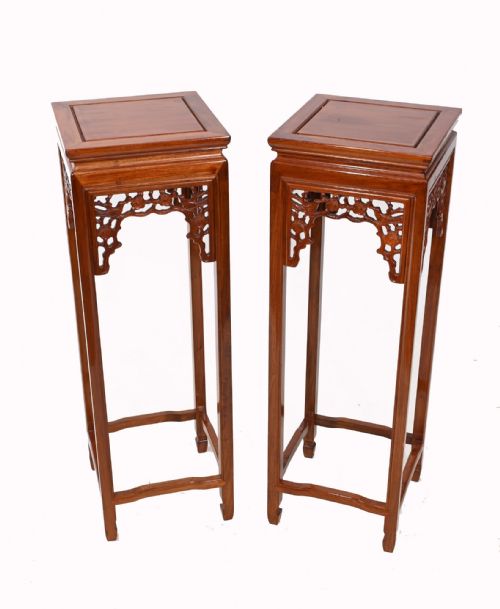
When you search for a square pedestal side table, you encounter compact furnishings designed to sit beside seating or in corners to hold lamps, plants, or books. The pieces on this page span several centuries, including Georgian, Victorian, and Edwardian periods, alongside Chinese traditional and Art Deco examples.
Mahogany and oak dominate the selection, often appearing in forms such as tripod tables, kettle stands, plant stands, and occasional tables. You also find rarer timbers like rosewood, padouk, burr yew, and palm wood among the inventory.
Materials and construction
Cabinetmakers constructed these tables using dense hardwoods such as mahogany, oak, and rosewood, frequently incorporating exotic veneers like burr yew or palm wood for decorative surfaces. Joinery methods relied on sturdy central pillars secured to sturdy tripod legs or weighted bases.
Surface decoration involved specialised techniques including penwork, parquetry, leather inserts, marble tops, and painted finishes. Tilt-top and snap-top mechanisms also appear, allowing the square surface to pivot for storage or display.
Listings feature woods ranging from standard oak and mahogany to exotic rosewood, padouk, and alder root.
What separates standard pieces from the finest
Quality rests upon the choice of timber and the precision of the turning on the central pedestal. Finer examples display carefully matched grain patterns on the square top and crisp carving on the column and feet.
The integrity of mechanical elements, such as tilt-top catches and brass fittings, distinguishes superior specimens. Finer tables maintain rigid stability in the central column without wobble in the base.
Baillie Scott·Thomas Hope
The Square Pedestal Side Table Glossary
- Pedestal
- A central vertical support that elevates the table top. It often terminates in three or four feet.
- Tripod table
- A small freestanding table with a top supported by a pillar on three splayed legs. This form gained popularity during the Georgian period.
- Tilt-top
- A hinged table surface that can be pivoted to a vertical position when not in use. This allowed furniture to be stored flat against a wall.
- Parquetry
- Geometric mosaic woodwork used for decorative surface patterns. It employs contrasting timbers to create visual depth.
- Kettle stand
- A small low table historically used to hold a hot water kettle for tea service. They often feature square tops and slender pillar supports.
Square Pedestal Side Table: Frequently Asked Questions
What is a square pedestal side table used for?
These tables serve as versatile surfaces for lamps, books, and decorative objects in living spaces or bedrooms. Their compact footprint makes them suitable for smaller corners and beside seating.
Historically, specific variants held tea kettles or displayed prized porcelain vessels. Today, they function primarily as lamp tables or occasional display surfaces.
How do I identify a Georgian pedestal table?
Georgian examples often feature solid mahogany construction with hand-turned central columns and pad or snake feet. The joinery employs traditional pegged construction and timber showing natural ageing.
Proportions tend to be elegant and restrained, reflecting the neoclassical or Chippendale influences of the eighteenth century. Check underneath for hand-cut dovetails and timber shrinkage consistent with age.
What is a tilt-top table mechanism?
A tilt-top mechanism uses a wooden or brass catch beneath the surface that allows the square top to pivot vertically. This clever engineering enabled rooms to be cleared quickly in past centuries.
When examining a tilt-top piece, look for the original birdcage or block pivot assembly. These components indicate period authenticity rather than later adaptation.
How do I care for antique wood tables?
Keep wooden tables away from direct sunlight and radiators to prevent the timber from drying out or splitting. Regular dusting with a dry lint-free cloth preserves the polish.
Apply a traditional beeswax polish occasionally to nourish hardwood surfaces like mahogany and oak. Avoid chemical sprays that can damage historic finishes.