




Sporting Silver Antiques
Sporting silver antiques capture the energy of field and pitch through enduring metals, offering tangible connections to historical pastimes.
Sporting Silver Antiques
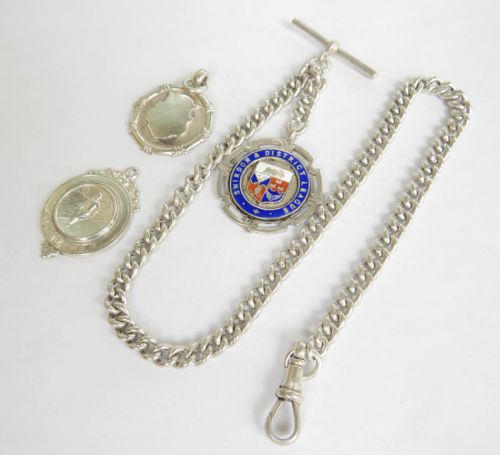
Sporting silver antiques encompass items dedicated to pursuits like shooting, fishing, cricket, football, golf, and curling, reflecting leisure activities from past centuries. These objects range from presentation goblets and medals to menu holders, brooches, and pocket watch chains, often bearing hallmarks that date their creation to the Victorian, Edwardian, and Art Deco periods. Such pieces celebrate specific athletic achievements or express a collector's affinity for traditional outdoor sports.
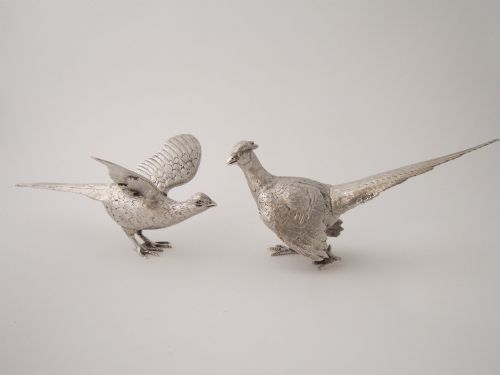
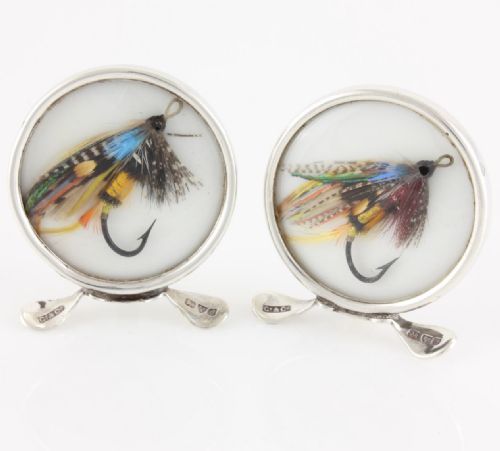
The selection on this page is dominated by Victorian and Edwardian items alongside 1920s and 1930s Art Deco pieces. Buyers frequently encounter wearable items like brooches shaped like dogs, birds, and game, alongside functional table ornaments such as pheasant pepper pots and menu card holders. Presentation medals and trophies from local and national competitions also appear regularly, recording athletic contests in sterling silver, silver plate, and enamel.
Materials and Craftsmanship
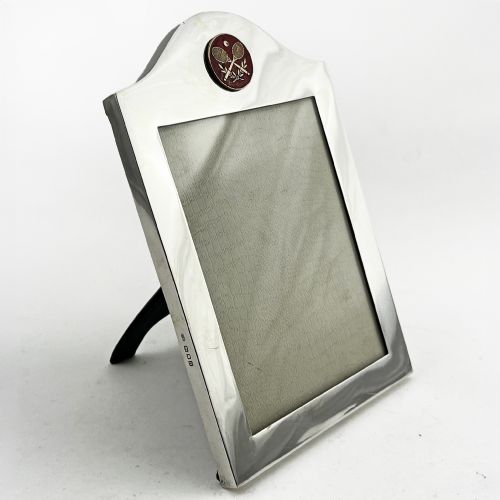
Makers of sporting silver antiques relied heavily on sterling silver and silver plate, frequently enhancing pieces with brightly coloured enamel to depict game birds or sporting emblems. Artisans also combined silver with organic elements such as feathers, glass, wood, and deer hoof or horn to create realistic representations of animals and equipment. This mixed-media approach gave items like hunting bugles and walking sticks a tangible authenticity.
Techniques varied from detailed hand-chasing and engraving on presentation cups to precision casting for novelty brooches and table figures like pheasants. Medallions and watch fobs often utilised stamping and enamelling to display crisp text and team colours, while fitted presentation cases required skilled carpentry in wood.
Ancillary sports gear includes walking sticks cleverly disguised as golf clubs for covert weekend play.
Assessing Quality and Distinction
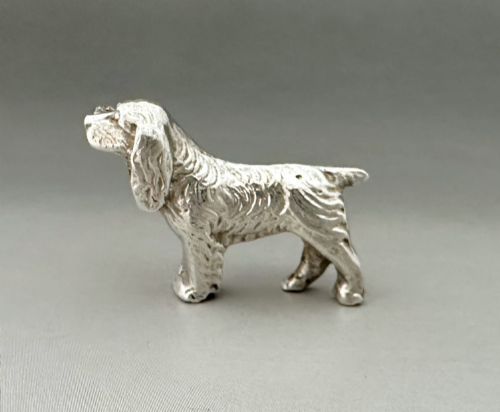
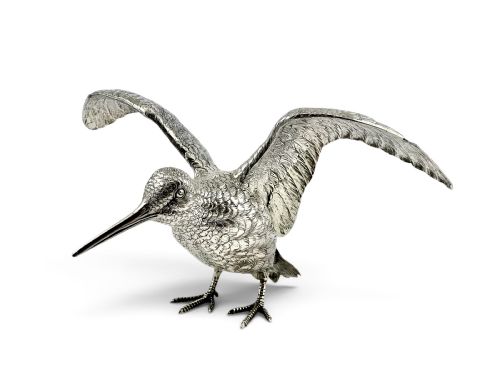
Quality in sporting silver antiques rests on the crispness of the casting and the fineness of the hand-engraving, particularly on animal subjects and presentation trophies. Pieces that capture anatomical accuracy in subjects like woodcocks, spaniels, or pheasants demonstrate a higher level of artisan skill than mass-produced equivalents. The integration of vibrant, undamaged enamel further elevates a piece, showing superior workshop execution.
Provenance and documentation also separate ordinary items from exceptional ones, especially when maker marks, specific club inscriptions, or dated medals are present. Items retaining original details, such as intact feather elements or specialised presentation boxes, command greater interest from collectors who value historical integrity.
Grey & Co·David McGregor·A. Barrett·Henry Tatton & Son·John Meek
The Sporting Silver Antiques Glossary
- Hallmark
- Official stamps applied to precious metals indicating the standard of purity, the assay office, and the date of manufacture. These marks provide definitive historical context for Victorian and Edwardian sporting silver.
- Watch Fob
- A short chain or ornament attached to a pocket watch, frequently featuring an engraved medallion or club badge related to sports such as football or cycling.
- Menu Holder
- A small table ornament designed to display dining menus, often cast in the form of sporting animals like silver pheasants, foxes, or fish.
- Presentation Goblet
- A chalice-shaped cup awarded as a prize in athletic competitions, typically decorated with hand-engraved inscriptions and floral or sporting motifs.
Sporting Silver Antiques: Frequently Asked Questions
What sports are commonly represented?
Sporting silver antiques cover a wide variety of traditional pastimes, with shooting, fishing, cricket, football, golf, and curling appearing most frequently in the surviving pieces.
Items often take the form of game birds, hunting dogs, athletic medals, and clubhouse table ornaments.
How can I date my piece?
Dating relies heavily on finding silver hallmarks stamped directly onto the metal, which reveal the assay office and exact year of creation.
Stylistic markers, such as the geometric lines of Art Deco or the ornate engraving typical of the Victorian era, also help narrow down the period.
Were these items meant to be used?
Many pieces served a practical function in daily Victorian and Edwardian life, from menu holders at formal dinners to pocket watch chains worn by spectators and participants alike.
Other objects, such as presentation goblets and engraved medals, were purely commemorative honours given for athletic victories.
What materials are used alongside silver?
Makers frequently incorporated glass, wood, and feathers to add realistic texture and colour to animal and sporting representations.
Enamel was also widely utilised to bring vibrant hues to club badges, medals, and novelty watch fobs.