



Spode Porcelain Plate
Spode porcelain plate options span Georgian and Victorian services, offering hand-painted scenes, armorial crests, and transfer-printed patterns for your table.
Spode Porcelain Plate
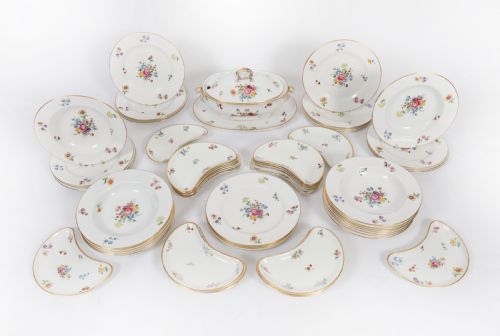
A spode porcelain plate search reveals everything from single cabinet plates to large dinner services and dessert services. You will frequently encounter nineteenth century examples, including Georgian and Victorian pieces, alongside later Copeland and Copeland & Garrett productions.
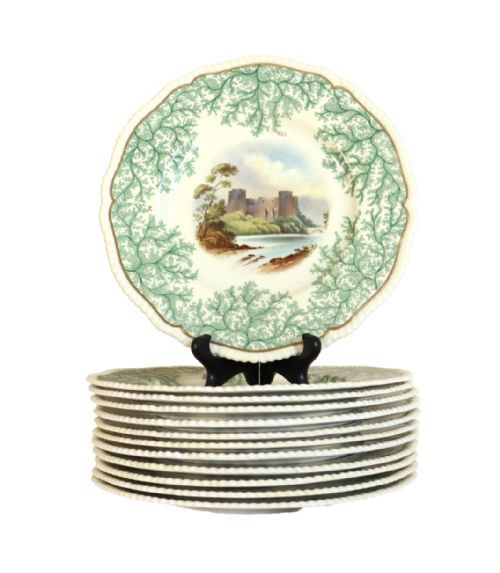
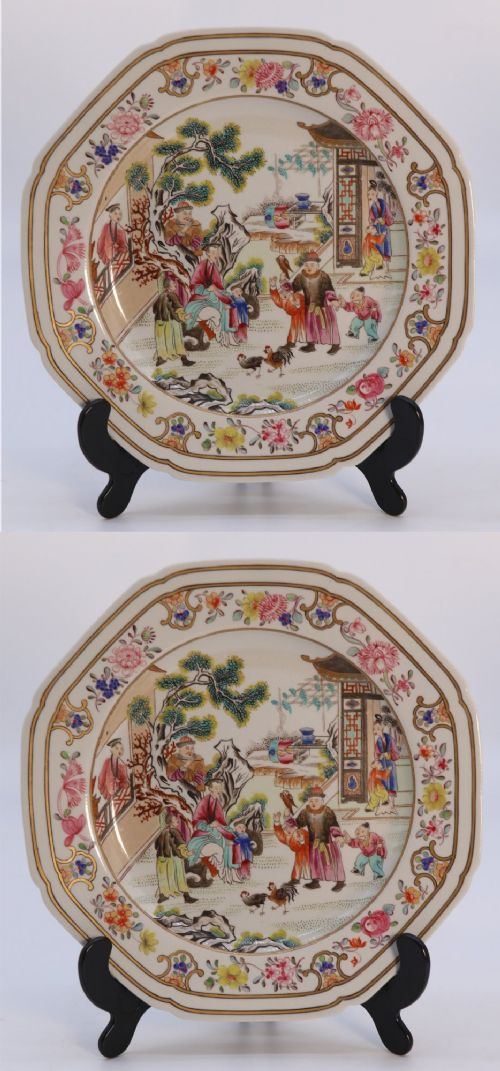
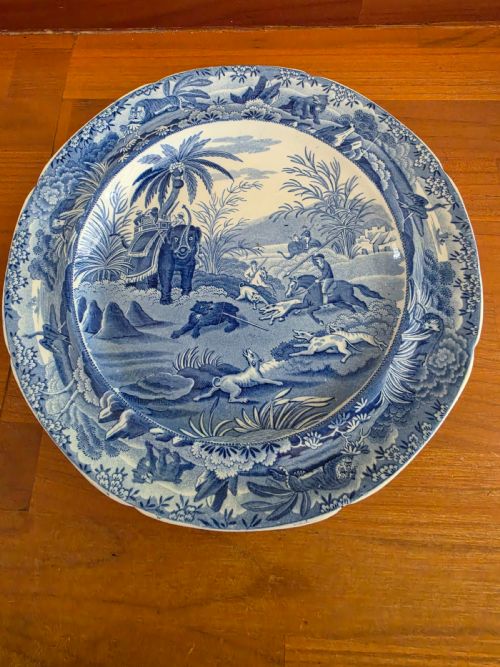
The assortment includes specific regional views, seaweed bordered landmark scenes, and the enduring Italian pattern. Dessert plates and octagonal cabinet plates sit alongside dinner plates and serving dishes.
Most items reflect nineteenth century tastes, moving from early Georgian Worcester style floral designs through Regency felspar bodies to later Victorian armorial plates and Copeland services.
Materials and Techniques
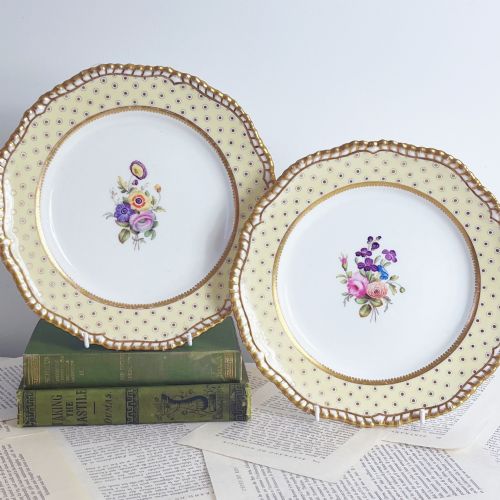
Potters utilised fine porcelain, earthenware, and stone china to form the body of each dish. Felspar porcelain provided a sturdy base for cabinet and dessert plates during the early nineteenth century.
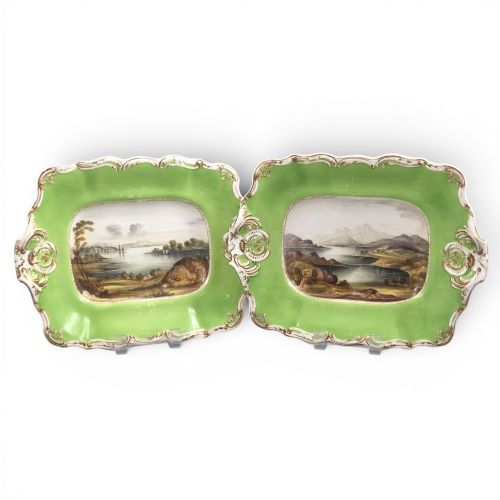
Decoration relied on cobalt ink transfer printing, hand-painted enamel scenes, and applied gold leaf or gilt. Master painters executed detailed bird studies and Scottish views directly onto the glazed surface.
Spode Porcelain Plate Retail Price Guide 2026
Typical asking prices for spode porcelain plate among the pieces listed under this phrase on Sellingantiques today, from the lower quarter to the upper quarter. They describe what is for sale here now, not the wider market.
One dramatic nineteenth century plate records the unfortunate title 'Death of the Bear'.
Evaluating Quality
Quality rests upon the crispness of the cobalt ink transfer and the precision of the hand-painted enamels. Finer examples display meticulous brushwork on armorial crests and landscape subjects rather than standard factory decoration.
The integrity of the gold leaf and the smoothness of the glaze distinguish superior cabinet plates from everyday dining wares. Well-preserved provenance and matching service components elevate the standing of a set.
Spode·Copeland and Garrett·Copeland·Copeland Spode
The Spode Porcelain Plate Glossary
- Stone China
- A durable ceramic body developed to resist chipping while maintaining the translucency of porcelain. It allowed potters to create robust octagonal cabinet plates for formal dining.
- Felspar
- A mineral additive used in porcelain paste during the nineteenth century to improve whiteness and vitrification. Felspar plates often carry specific pattern numbers from the factory archives.
- Armorial
- A design featuring a family crest, coat of arms, or heraldic motto hand-painted onto the centre of a plate. These bespoke commissions denoted elite ownership and high-status dining.
- Wet Blue
- A rich, deep underglaze cobalt blue background colour associated with Worcester style decoration. It created a dramatic contrast for gilt floral motifs.
- Enamel
- Opaque glass-based colours fused to the porcelain surface through secondary firing. Enamels provided the vibrant hues found on pictorial and landscape plates.
Spode Porcelain Plate: Frequently Asked Questions
How do I date a Spode plate?
Dating relies on factory backstamps, body composition, and pattern numbers recorded in manufacturer archives. Early nineteenth century pieces often feature handwritten script marks, while later Victorian items introduce printed Copeland ciphers.
Stylistic shifts from Georgian floral styles to Victorian armorial designs also help narrow the period of manufacture.
What is Spode stone china?
Stone china is a heavy, durable ceramic body containing ground stone that bridges the gap between earthenware and porcelain. It offered exceptional strength for large dinner services without sacrificing a refined white finish.
Plates made from this material frequently display crisp octagonal forms and vibrant transfer-printed patterns.
Are these plates suitable for daily use?
Most antique cabinet and dessert plates are best reserved for display, light service, or gentle collection. Enamel decoration, hand-painted details, and delicate gold leaf gilding can wear away with frequent modern washing.
Robust nineteenth century dinner services handle careful hand washing, but fragile porcelain bodies remain vulnerable to thermal shock.
What does an armorial crest mean?
An armorial crest indicates that the service was custom-ordered for a specific aristocratic family. The heraldic symbol allowed the dining household to display lineage and status during formal meals.
These pieces represent the pinnacle of bespoke ceramic production from the period.