

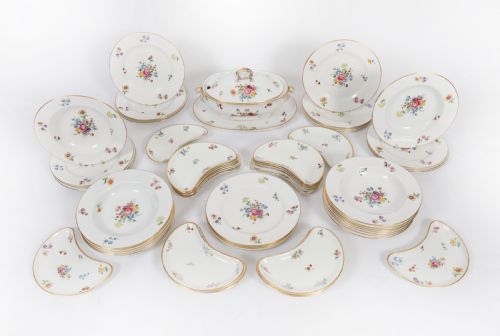


Spode Floral Porcelain
Spode floral porcelain brings together Regency and Victorian forms painted with botanical detail, offering the collector refined tea wares and decorative vessels.
Spode Floral Porcelain
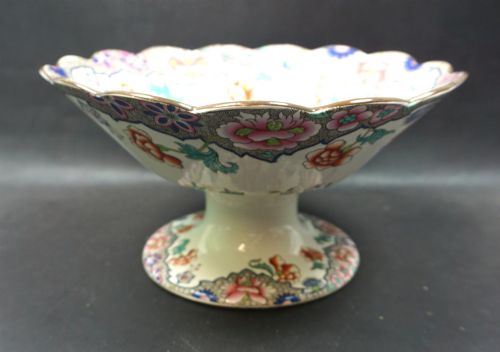
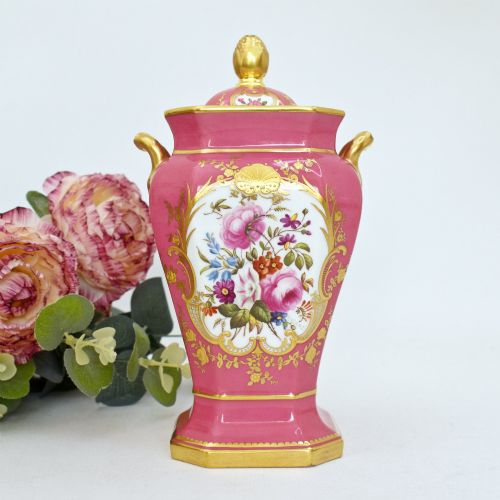
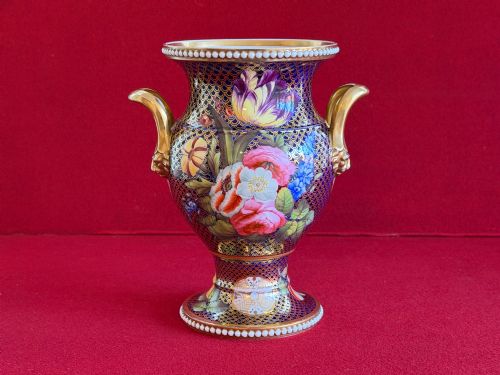
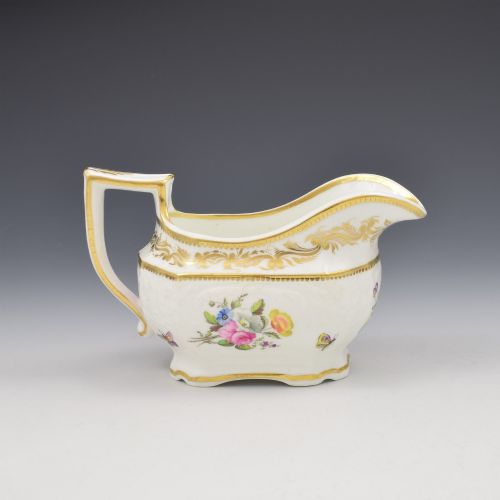
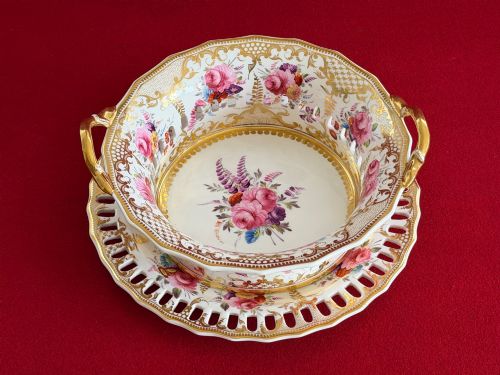
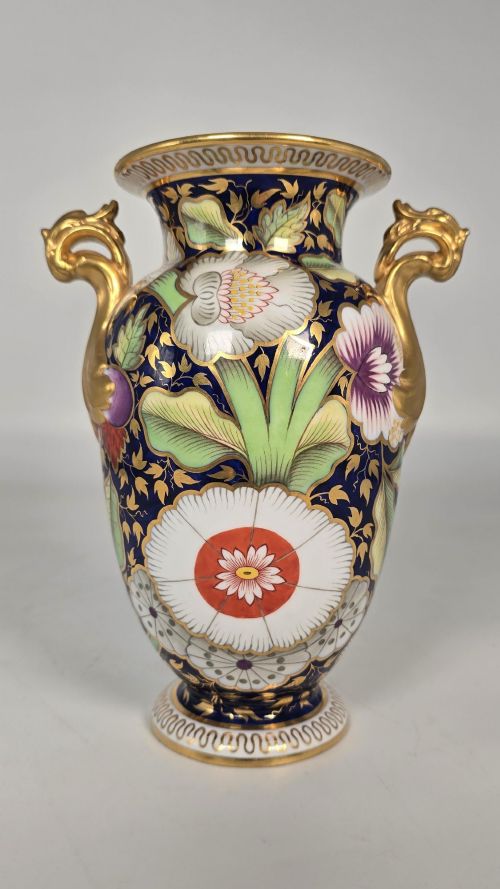
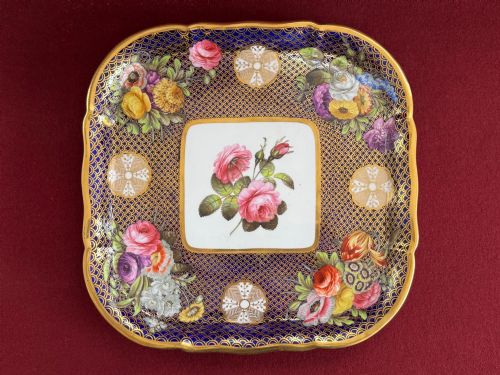
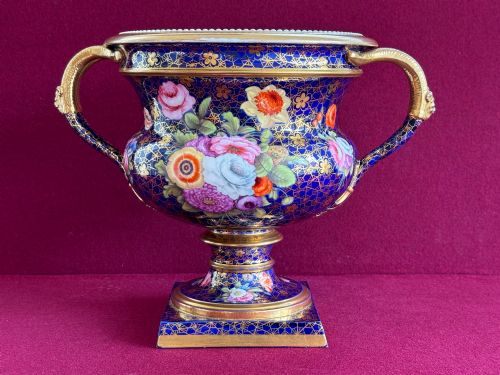
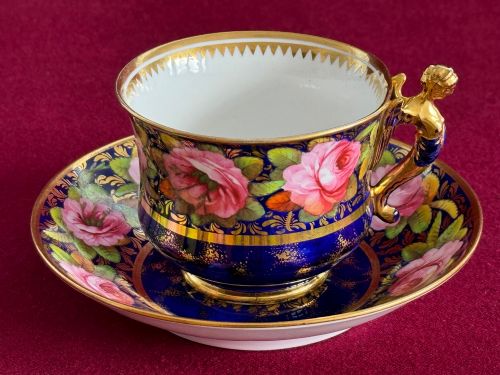
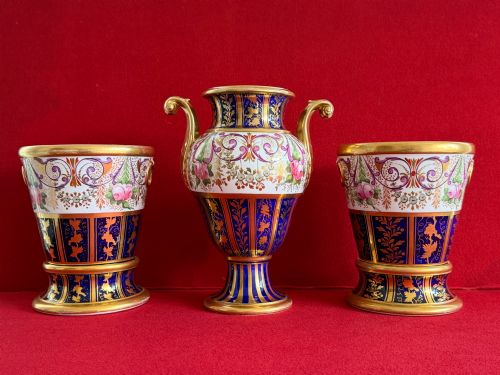
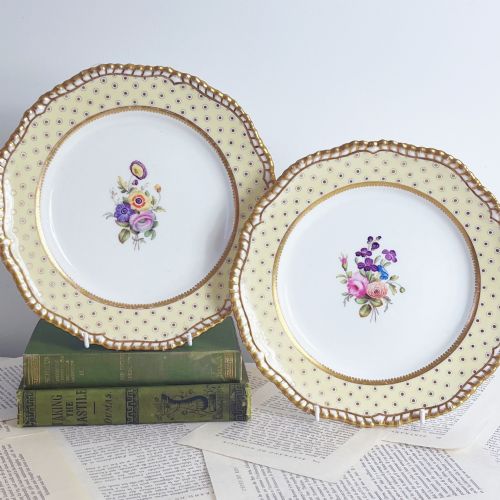
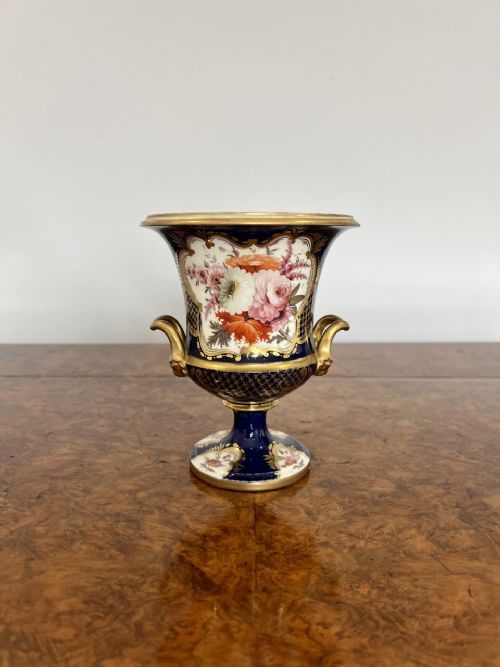
When you search for spode floral porcelain, you encounter items ranging from Regency vases and dessert services to Victorian cabinet plates and coffee cups. The most common survivals on this page date from the early nineteenth century during the Regency period, often featuring hand-painted botanical motifs.
The objects take many forms, including cream jugs, dessert baskets, spill vases, teacups and saucers, and large dinner services. These pieces reflect both utilitarian dining functions and purely ornamental roles within nineteenth-century interiors.
Origins stretch from the Georgian era through the Victorian period into the early twentieth century, taking in both porcelain and ironstone bodies. Regency examples demonstrate the early refinement of body composition, while later nineteenth-century items continue the tradition under Copeland management.
Materials and manufacture
Makers utilised fine porcelain, felspar porcelain, bone china, and ironstone as the foundation bodies for these decorated items. These ceramic materials were shaped into moulded cream jugs, jars, and vases before receiving their painted decoration.
Surface enrichment relied upon hand painting, enamel, gold leaf, gilding, and gilt highlights to define floral patterns and borders. Firing techniques fixed these metallic and enamel pigments onto the glaze, creating permanent colour.
Spode Floral Porcelain Retail Price Guide 2026
Typical asking prices for spode floral porcelain among the pieces listed under this phrase on Sellingantiques today, from the lower quarter to the upper quarter. They describe what is for sale here now, not the wider market.
Listings span the Regency, Georgian, and Victorian periods, incorporating materials from standard porcelain and bone china to felspar porcelain and ironstone.
Assessing quality in the range
Quality separates through the execution of the hand painting and the precision of the gilding applied across the porcelain surface. Pieces with detailed botanical hand painting and intact gold leaf stand apart from simpler transfer-printed equivalents.
The refinement of the ceramic body itself, such as early felspar porcelain versus later ironstone, establishes another tier within the selection. Form complexity, from moulded cornucopia and Warwick vases to standard cabinet plates, also distinguishes the work.
Spode·Copeland
The Spode Floral Porcelain Glossary
- Felspar porcelain
- A patented ceramic body introduced in the early nineteenth century that incorporated felspar to improve durability and whiteness. This material forms the base for several dessert dishes and cream jugs.
- Gilding
- The application of gold leaf or gold paint to ceramic surfaces to accent handles, rims, and painted scenes. On these items, gold embellishment frequently accompanies floral patterns.
- Garniture
- A set of three or more matching vases or urns designed to be displayed together on a mantelpiece or sideboard. These decorative sets appear in early nineteenth-century porcelain.
- Sucrier
- A small covered vessel designed for holding lump sugar during tea service. These sugar bowls often match tea cups, saucers, and cream jugs within larger services.
- Ironstone
- A heavy, durable earthenware body patented in the nineteenth century to imitate porcelain. Items made from this ceramic often display blue transfer-printed floral designs.
Spode Floral Porcelain: Frequently Asked Questions
What is felspar porcelain?
Felspar porcelain is an innovative ceramic body introduced during the Regency period that used ground felspar to achieve a whiter, more durable finish.
This material allowed makers to produce finer walled vessels, dessert services, and decorative items while retaining structural strength.
How do I date these pieces?
Dating relies on identifying specific ceramic bodies like felspar porcelain, pattern numbers, and stylistic markers associated with the Regency and Victorian eras.
Factory marks, when present, alongside distinct forms such as Warwick vases or image handle teacups, help narrow the production period.
Were these items used daily?
Many items, including teacups, saucers, cream jugs, and dinner services, were created for active use in fashionable nineteenth-century households.
Other forms, such as garnitures, spill vases, and cabinet plates, served primarily as ornamental displays within period interiors.
How should I care for gilded porcelain?
Gilded and hand-painted porcelain requires gentle handling to preserve the delicate enamel colours and gold leaf highlights.
Hand washing in lukewarm water with mild soap is recommended, avoiding harsh abrasives that could damage the historic surfaces.