



Spode Bone China
Spode bone china brings refined Regency and Victorian elegance to the table through finely potted porcelain and vivid hand-painted patterns.
Spode Bone China
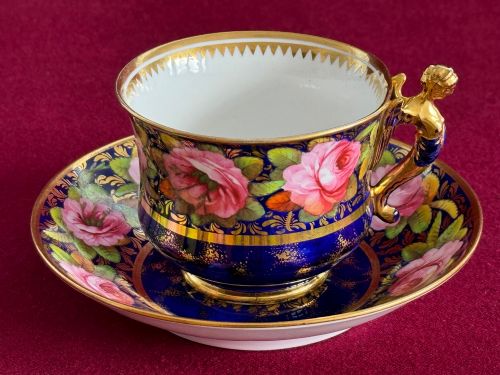
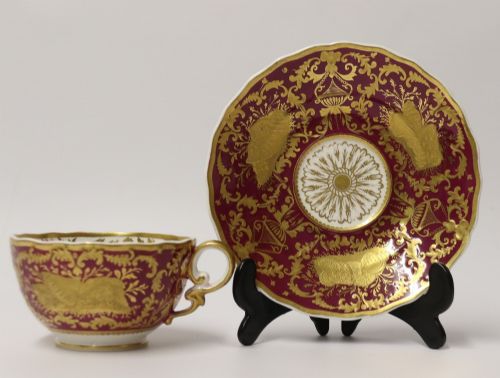
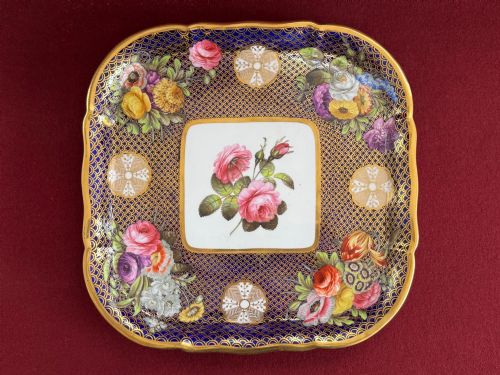
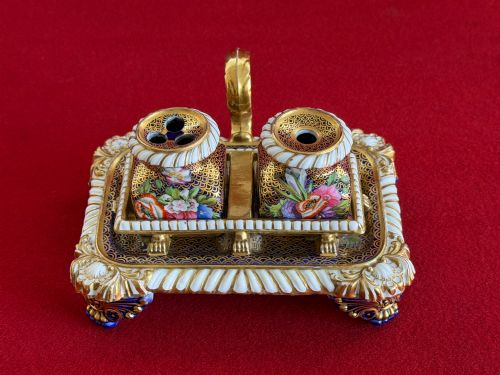
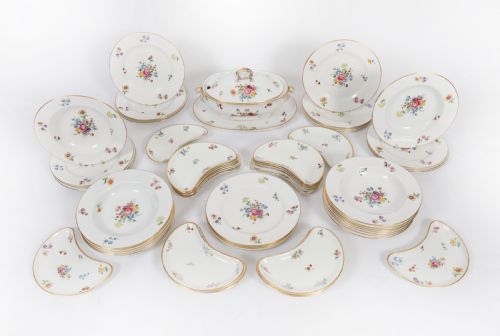
When you search for spode bone china, you encounter a sophisticated array of decorative and utilitarian ceramics spanning the Regency and Victorian eras. These pieces range from comprehensive dinner services and dessert plates to delicate coffee cans, inkstands, and cabinet trios.
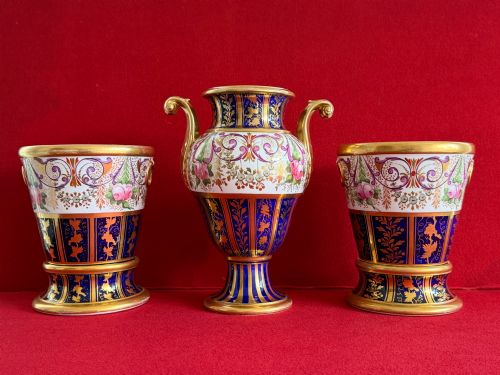
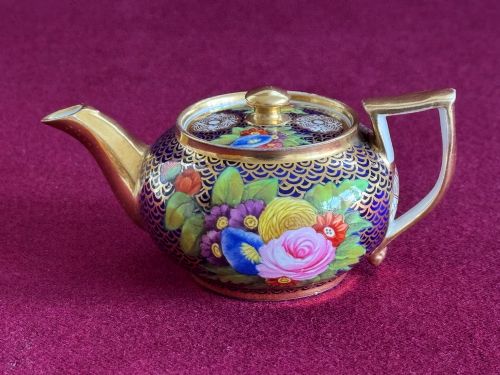
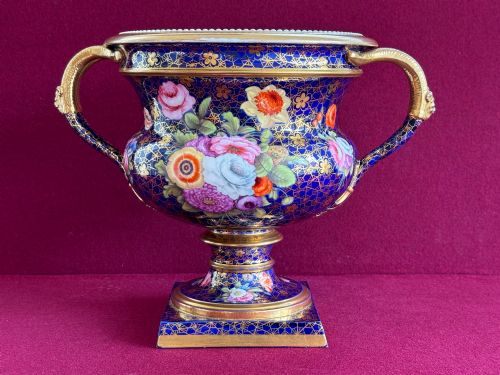
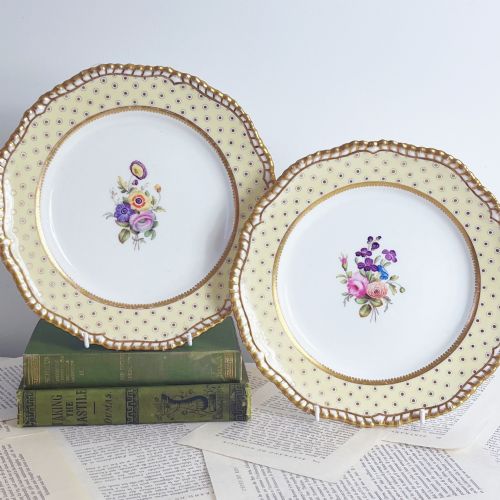
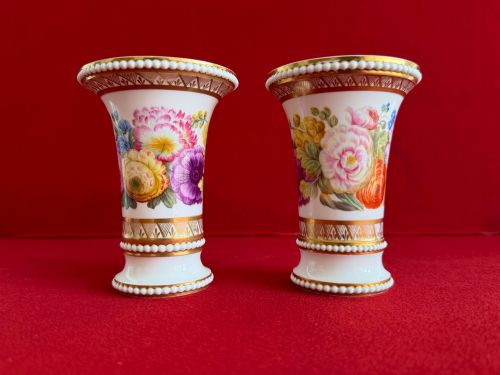
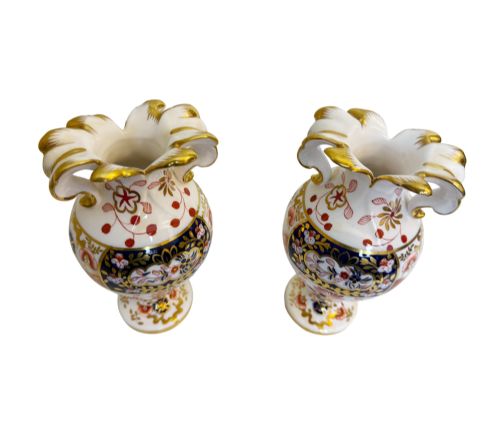
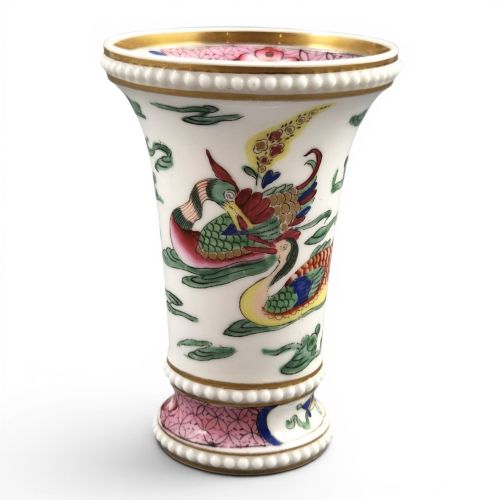
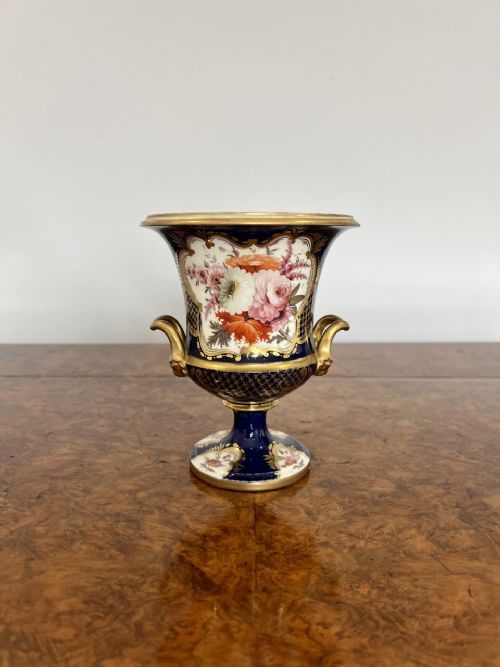
The selection on this page most frequently presents early nineteenth-century tablewares and decorative vessels created during the Georgian and Regency periods. Typical forms include teacups and saucers, twin-handled vases, and sucriers decorated with intricate enamel and gilding.
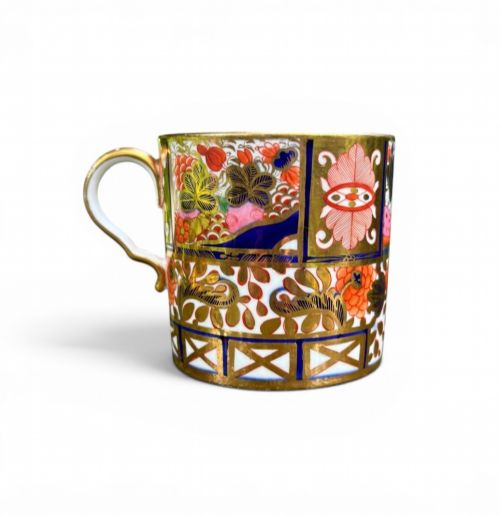
Makers such as Copeland and Spode produced these ceramics to satisfy affluent households seeking both utility and display. The inventory reflects a strong representation of Imari designs and specific numbered patterns from the factory archives.
Judging the quality
Quality in spode bone china rests upon the crispness of the moulding and the precision of the hand-painted enamel work. Superior examples exhibit clean lines in complex patterns like pattern 1166 and well-preserved gilding without rubbing.
The weight, translucency, and thinness of the porcelain body also distinguish finer cabinet pieces from standard utility wares. Potter's marks and pattern numbers painted clearly on the base indicate factory attribution and superior craftsmanship.
Spode Bone China Retail Price Guide 2026
Typical asking prices for spode bone china among the pieces listed under this phrase on Sellingantiques today, from the lower quarter to the upper quarter. They describe what is for sale here now, not the wider market.
Miniature toy teapots let Georgian dollhouse owners enjoy the same fine Imari patterns as the adults.
Spode·Copeland
The Spode Bone China Glossary
- Bone china
- A type of porcelain composed of clay, feldspar, and a high proportion of animal bone ash. This formula produces a strong, highly translucent ceramic body ideal for intricate teawares.
- Imari
- A decorative style inspired by Japanese export porcelain featuring deep cobalt blue, iron red, and abundant gold. Spode utilised this aesthetic extensively in patterns such as number 963 and 967.
- Sucrier
- A small lidded sugar bowl designed to accompany tea services. These vessels often feature twin handles and detailed enamel decoration.
- Coffee can
- A straight-sided, cylindrical ceramic cup designed for drinking strong coffee during the Georgian and Regency periods. They frequently appear matched with a corresponding saucer.
- Felspar
- A specific porcelain body introduced by Spode around 1821 using feldspathic rock. This material provided exceptional whiteness and durability for dessert plates and dinner services.
Spode Bone China: Frequently Asked Questions
How do I date spode bone china?
Dating relies on factory marks, pattern numbers, and stylistic markers such as Regency or Victorian forms. Early pieces often feature hand-written pattern numbers in red or purple enamel beneath the glaze.
Comparing the potting style and decorative palette against known production periods helps narrow the manufacturing window to specific decades like the early nineteenth century.
Are these pieces safe for daily use?
While historic spode bone china remains structurally sound, the presence of hand-applied enamel and delicate gilding makes gentle hand washing essential. Modern dishwashers and microwaves will damage the fragile gold leaf and historical glaze.
Most collectors prefer to use these ceramics for special occasions or display them as cabinet pieces rather than subjecting them to daily wear.
What does a pattern number mean?
Spode assigned unique numbers to every distinct design leaving the factory to ensure consistency among painters. Pattern numbers like 1166 or 2975 allow collectors to identify specific colourways and decorative motifs.
Finding a documented pattern number confirms the factory origin and helps establish the approximate production era of the vessel.
How should I display my collection?
Displaying spode bone china requires stable shelving away from direct sunlight to protect the vibrant enamel colours. Cabinet cups, trios, and vases benefit from enclosed spaces that prevent dust accumulation while allowing clear visibility of the gilding.
Pairing complementary forms like urn vases and dessert plates creates a balanced historical display inspired by Regency interiors.