




Splay Leg Console Table
A splay leg console table is a versatile surface for a hall or living room, bringing period character and practical table space.
Splay Leg Console Table
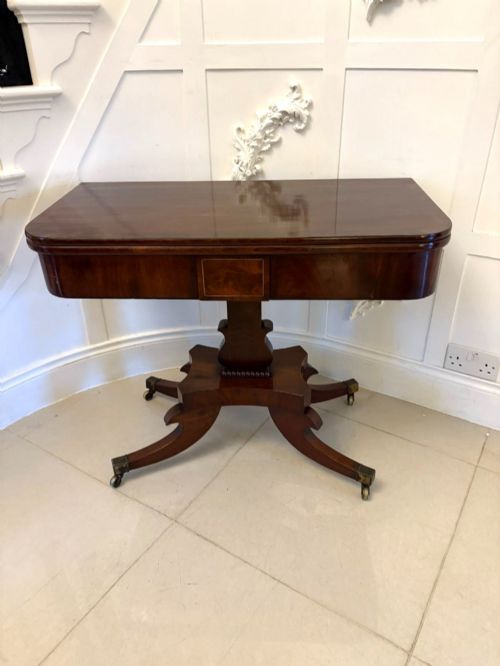
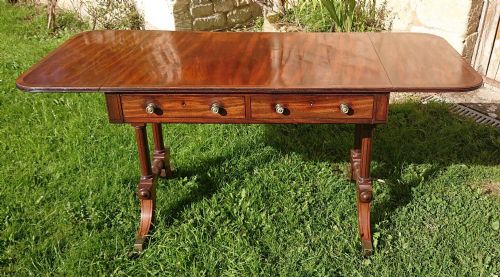
When you search for a splay leg console table, you are looking at versatile display and serving surfaces dating from the eighteenth century through to the early twentieth century. These pieces encompass related forms such as sofa tables, card tables, games tables, and tea tables alongside dedicated console tables.
The pieces you are most likely to encounter on this page span the Regency and Georgian eras, often executed in rich timbers with characteristic diverging supports. Makers of the period engineered these tables to stand freely in a room or against a wall, serving multiple domestic functions.
Materials and construction
Cabinet makers relied heavily on figured mahogany, rosewood, and satinwood, frequently enhancing the timbers with contrasting ebony inlay and fine brass mounts. These materials provided the dense grain and rich colour essential for high-status furniture of the Georgian and Regency periods.
Construction techniques balanced stability with elegance, utilising pedestal bases and trestle frames where splayed legs offered both structural support and visual lightness. Carpenters selected secondary timbers like sycamore and elm for specific structural components, particularly in French provincial examples.
Listings feature pieces spanning the Georgian, Regency, and Victorian periods, constructed predominantly from mahogany, rosewood, and satinwood.
Indicators of craftsmanship
The distinction between standard domestic pieces and the finest examples rests on the selection of timber veneers and the precision of inlaid brass work. Superior pieces display book-matched grain patterns and meticulous joinery that remain tight across hinges and folding leaves.
Proportion and the fluidity of the splayed leg design dictate the aesthetic success of each table. Master craftsmen achieved a balanced stance that makes the supporting structure appear both delicate and entirely secure.
The Splay Leg Console Table Glossary
- Sofa table
- A rectangular side table designed during the late eighteenth and early nineteenth centuries to stand in front of a sofa. These pieces typically feature drop leaves at either end and twin drawer units.
- Card table
- A folding table manufactured for parlour games, featuring a hinged top that opens to reveal a baize-lined playing surface. Many examples incorporate clever pivoting or concertina actions to support the open top.
- Satinwood
- A durable, lustrous timber native to India and the West Indies, prized for its golden yellow colour and reflective grain. It was frequently used for veneers and delicate stringing in high-end Georgian furniture.
- Trestle table
- A table supported by trestles or splayed uprights rather than four distinct corner legs. This construction provides ample legroom and a stable foundation for dining or console use.
Splay Leg Console Table: Frequently Asked Questions
What is a splay leg console table?
A splay leg console table is a freestanding or wall-backed surface featuring diverging legs that provide stability and a distinctive silhouette. These pieces date principally from the Georgian, Regency, and Victorian periods.
Craftsmen built them from timbers such as mahogany and rosewood, often incorporating folding leaves for adaptable use in domestic interiors.
How were these tables used originally?
These tables served multiple functions in period homes, functioning as serving surfaces for tea, writing desks, or spaces for card games. Drop-leaf sofa tables were positioned directly in front of seating furniture for convenience.
In grander rooms, console versions stood against walls to display decorative objects, or moved into the centre of the room when entertaining.
How do I identify a Regency period table?
Regency tables are identified by their classical proportions, architectural details, and the use of dark exotic timbers like rosewood and mahogany. Look for characteristic brass inlay, rosewood graining, and distinct pedestal or splayed leg bases.
Construction methods, such as hand-cut dovetails in the drawers and traditional timber fixings, help confirm the nineteenth-century origin.
Can I use an antique table daily?
These tables adapt well to modern living when treated with reasonable care and protected from extreme temperature changes or moisture. Their original purpose was robust domestic use, making them durable enough for contemporary hallways and living spaces.
Using coasters and avoiding direct placement near heat sources will preserve the polished timber and delicate inlay.