







Spelter Metal Figures
Spelter metal figures bring accessible sculptural elegance to interiors, offering dynamic forms from the nineteenth and twentieth centuries.
Spelter Metal Figures
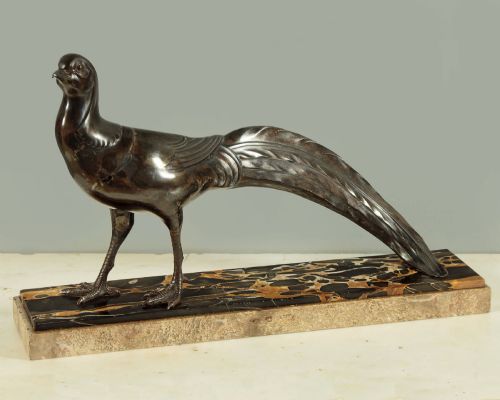
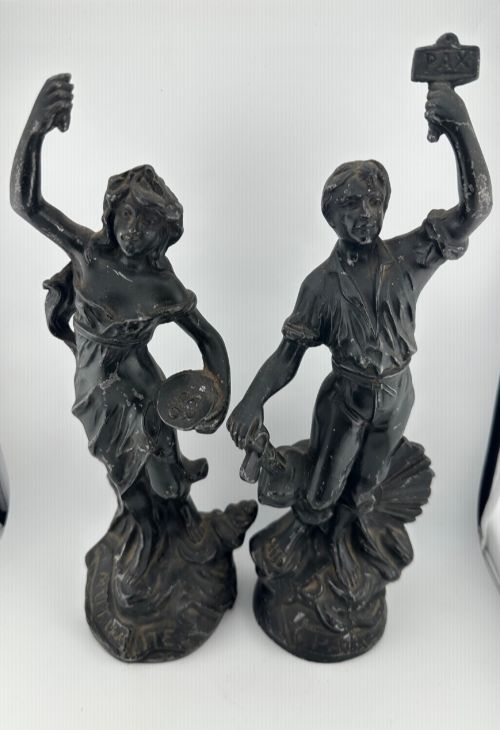
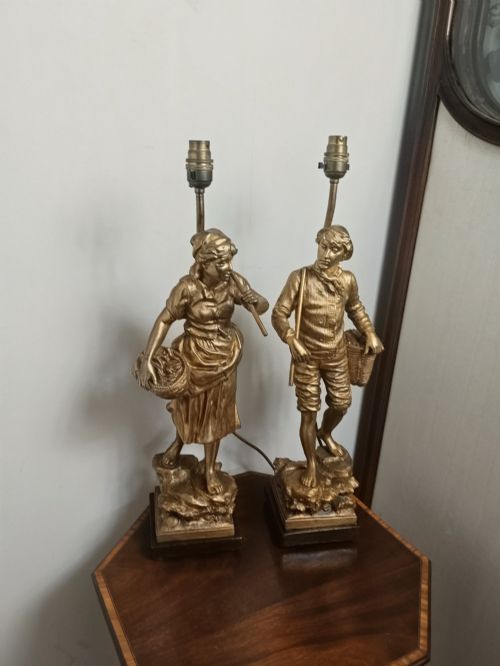
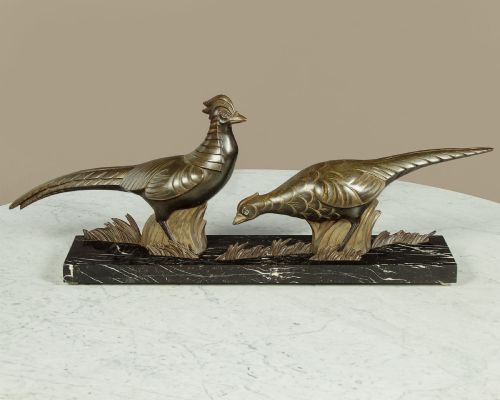
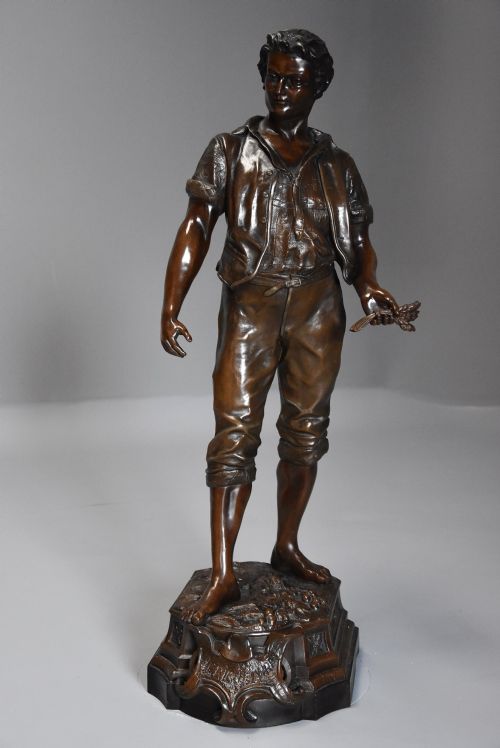
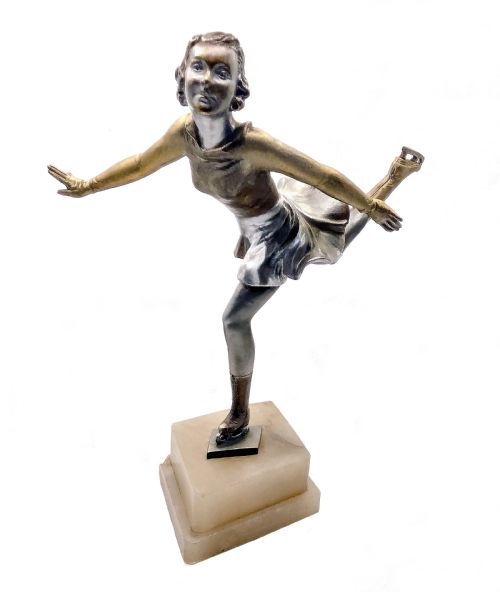
Spelter metal figures encompass a diverse range of decorative items, from standalone sculptures and figurines to functional pieces such as bookends, table lamps, and candlesticks. When exploring spelter metal figures, buyers most frequently encounter French productions spanning the late nineteenth century through the Art Deco period of the 1920s and 1930s. The forms vary widely, including allegorical representations, dancers, animals, and classical characters.
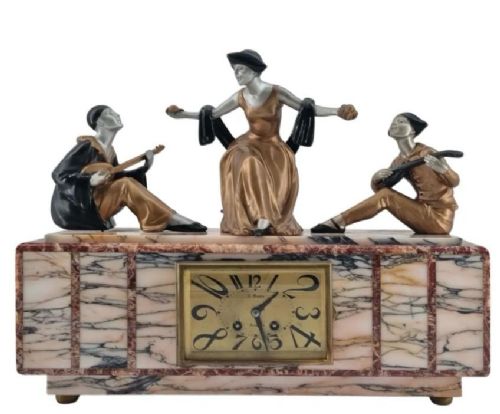
The aesthetic of these objects shifts according to their period of origin, moving from ornate Victorian and Art Nouveau designs to the streamlined geometries of Art Deco. Creators utilised the material to produce decorative items that mimicked the appearance of more expensive bronze at a lower cost. These figures often appear mounted on bases of marble, onyx, or wood to provide stability and visual contrast.
Materials and production methods
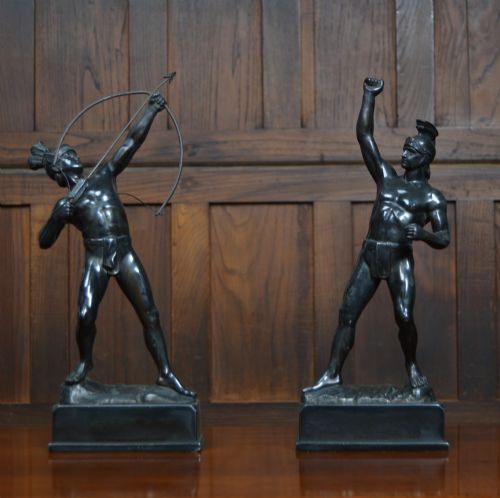
Makers cast spelter, a zinc-based alloy, into moulds to form the body of each sculpture, often combining it with other substances like lead or tin. Because the alloy is relatively soft and brittle, craftsmen relied on surface treatments to achieve a durable finish that resembled traditional bronze.
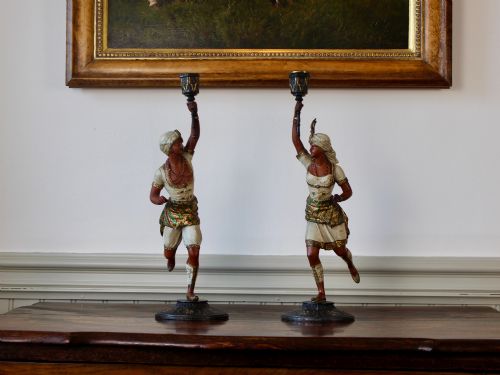
Finishing techniques included applying bronze or gilt patination, cold painting, or applying paint directly to the metal surface. These finishes added colour and depth, highlighting the carved details of clothing, hair, and facial expressions on the figures.
Spelter Metal Figures Retail Price Guide 2026
Typical asking prices for spelter metal figures among the pieces listed under this phrase on Sellingantiques today, from the lower quarter to the upper quarter. They describe what is for sale here now, not the wider market.
Among the menagerie of metal dogs and pheasants, a nodding dog and a pair of characters on stilts bring unexpected whimsy to the collection.
Factors determining quality
The execution and preservation of the original surface patination or cold-painted colours dictate much of the visual appeal. Skilled chasing and finishing work after the casting process separate ordinary commercial items from the more expressive artistic works.
Jean de Roncourt·Josef Lorenzl·L and F Moreau·F Milliot·E Rousseau
The Spelter Metal Figures Glossary
- Spelter
- A zinc-based alloy utilised as an economical alternative to bronze for manufacturing decorative sculptures and household objects. It is softer and melts at a lower temperature than bronze.
- Cold painted
- A method where paint is applied to a metal object without subsequent firing in a kiln. This technique was common for adding colour to zinc alloy figures during the nineteenth and twentieth centuries.
- Patination
- The surface coloration or sheen developed naturally over time or applied artificially by an artisan. On these metal pieces, patination often mimics the appearance of aged bronze.
- Allegorical
- A style of artwork where figures represent abstract ideas such as peace, mutual aid, or virtues. These symbolic representations were popular in French nineteenth-century casting.
Spelter Metal Figures: Frequently Asked Questions
What is spelter metal?
Spelter is a zinc-based alloy commonly used in the nineteenth and early twentieth centuries to manufacture decorative sculptures and household items at a lower cost than bronze.
Because the metal is relatively soft, objects made from it require careful handling to avoid bending or surface damage.
How do I identify Art Deco spelter figures?
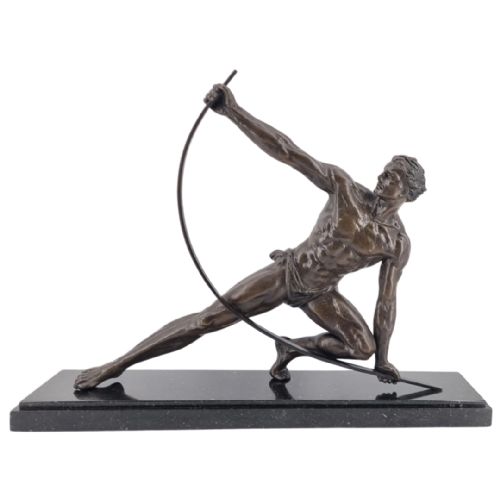
Art Deco pieces typically feature stylised geometric forms, dancers, athletes, or animals reflecting the design sensibilities of the 1920s and 1930s.
They are frequently mounted on contrasting marble or onyx bases and signed by notable sculptors of the era.
Were these figures originally painted?
Many figures received a bronze or gilt patination to simulate solid metal, while others were finished with cold-painted pigments to add realistic colour.
Over decades, these applied surfaces can show wear, which forms part of the object's history.
How should I care for antique spelter figures?
Keep these items in a stable environment away from excessive moisture, which can degrade the zinc alloy and cause surface pitting.
Dust gently with a soft, dry cloth and avoid using chemical cleaners or polishes that might strip the original patination.