



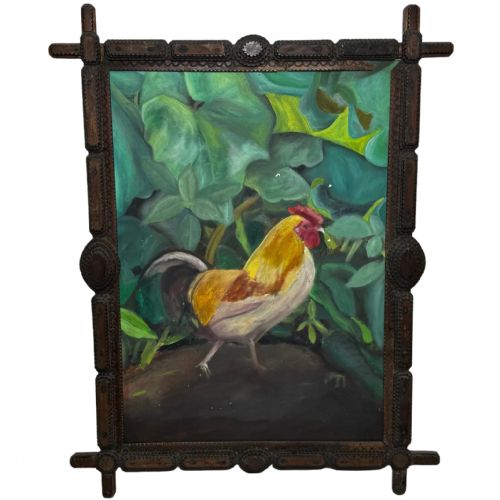

Spanish Oil Portrait Painting
A spanish oil portrait painting brings centuries of European character and dramatic lighting directly into a room.
Spanish Oil Portrait Painting
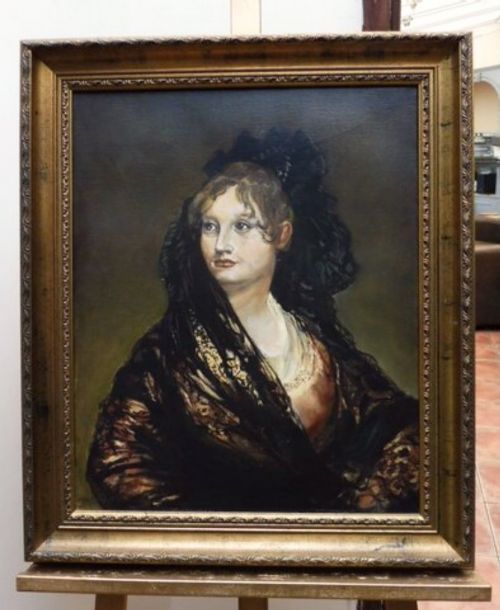
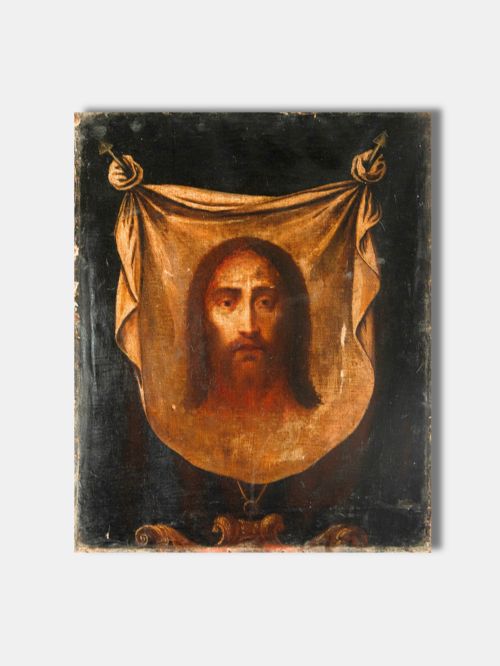
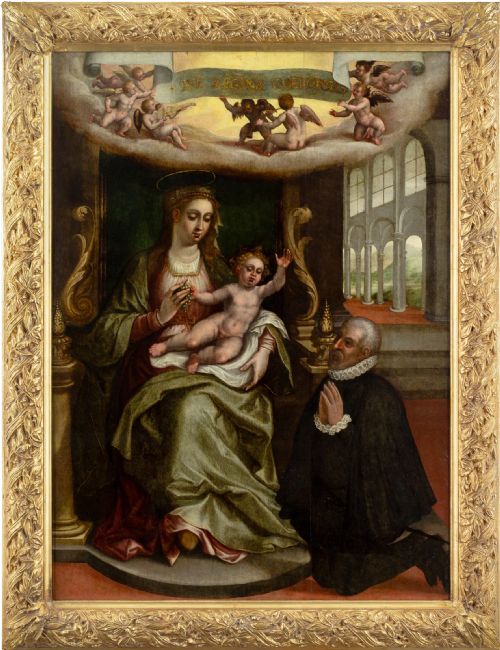
A spanish oil portrait painting captures figures ranging from anonymous subjects and regional types to religious icons and nobility. Buyers examine works spanning from the sixteenth century through the twentieth century, reflecting diverse regional academies and religious devotions.
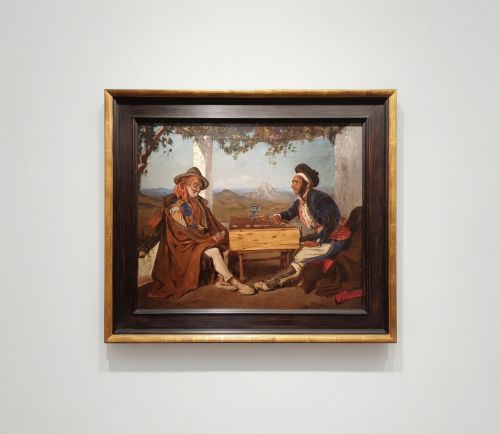
The most common examples on this page date from the seventeenth and nineteenth centuries, executed by regional masters, followers, or continental visitors. These paintings frequently depict subjects in characteristic regional attire, clerical dress, or dramatic narrative settings.
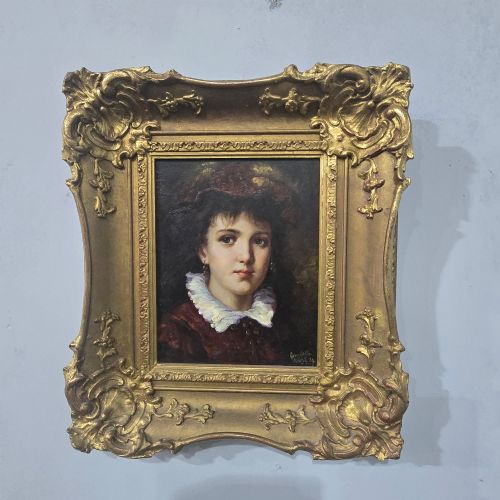
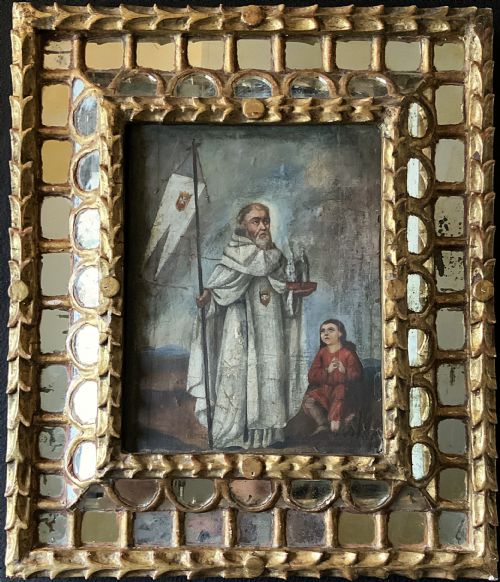
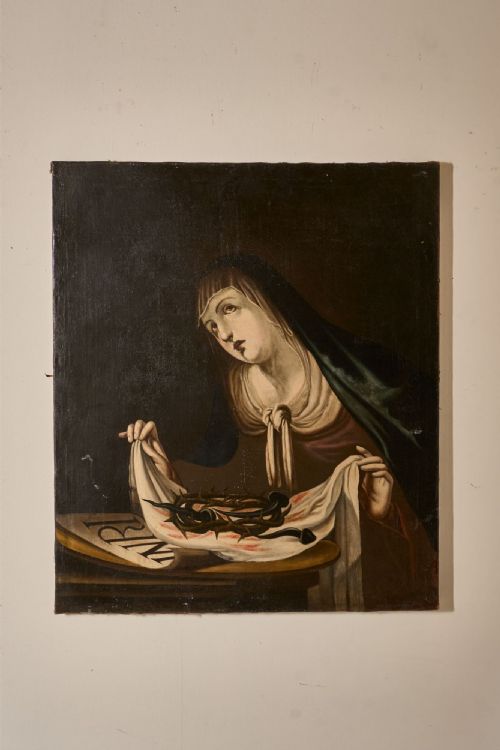
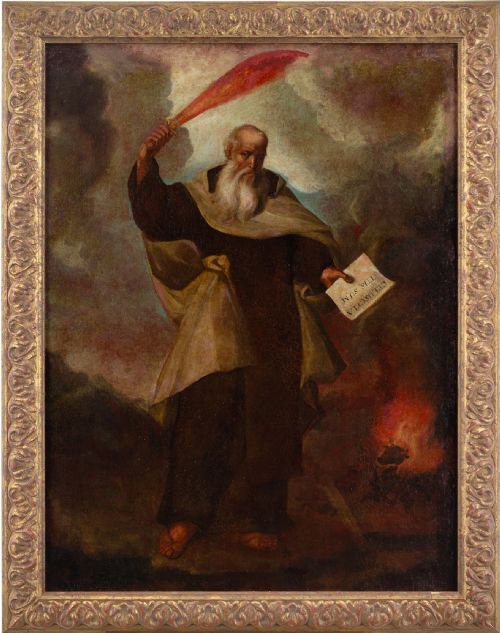
Compositional formats vary from intimate bust-length portrayals on wood panels and copper plates to large-scale canvas works housed in giltwood frames. Religious subjects, including depictions of Mary and various saints, form a significant portion of these historical offerings.
Materials and construction
Painters relied primarily on oil paint applied to stretched canvas, prepared wooden boards, and occasionally copper plates. Ground layers and gesso provided a stable base for the pigments, while application techniques ranged from smooth glazes to heavier impasto.
Many works retain their period frames constructed from giltwood or wood embellished with gold leaf. These frames frequently complement the palette of the canvas and provide structural integrity to the artwork.
Materials recorded across these artworks include oil paint, canvas, wood, gesso, giltwood, and gold leaf.
Judging the execution
The integration of the painting with its period frame influences the overall integrity of the piece. Works that retain original surfaces, legible brush dynamics, and period-appropriate mounting command greater attention from collectors.
Miguel Barroso·Juan Ruiz Soriano·Gaspar de Figueroa·Manuel Azpiroz·Francisco Jose Domingo y Marques·Antonio Ribas Y Oliver
The Spanish Oil Portrait Painting Glossary
- Oil on Canvas
- Pigments bound in a drying oil applied to a woven fabric support. This combination allows for rich blending and textured application.
- Giltwood
- Wood carved and coated with gold leaf or gold paint. It appears frequently on frames associated with seventeenth and eighteenth-century works.
- Gesso
- A paint mixture consisting of a binder mixed with chalk, gypsum, or pigment. It prepares rigid panels and canvases for oil painting.
- Spanish Baroque
- An artistic movement characterised by exaggerated motion, deep shadow, and clear detail. This style defined much of the religious and portrait output in the seventeenth century.
Spanish Oil Portrait Painting: Frequently Asked Questions
How do I date an old portrait?
Dating relies on examining the canvas preparation, stretcher construction, clothing styles, and pigment composition. Secondary clues often reside in the framing techniques used during the period.
Comparative analysis with known works by regional schools or documented followers helps narrow the decade of creation.
Are these paintings cleaned?
Many historical paintings undergo conservation or cleaning over their lifetimes to remove accumulated surface grime and darkened varnish. Documentation from dealers often notes the extent of past restoration.
Original canvas and pigment layers remain primary factors when evaluating the condition of any artwork.
How should I hang an oil painting?
Oil paintings require stable interior environments away from direct sunlight, high humidity, and extreme temperature fluctuations. Proper wall anchors matching the weight of the frame and canvas are essential for secure placement.
Allowing adequate circulation behind heavy giltwood frames prevents moisture accumulation against the wall.