





Spanish Folk Art
Spanish folk art brings rustic regional character and devotional warmth into a room through hand-carved wood, polychrome paint and traditional domestic forms.
Spanish Folk Art
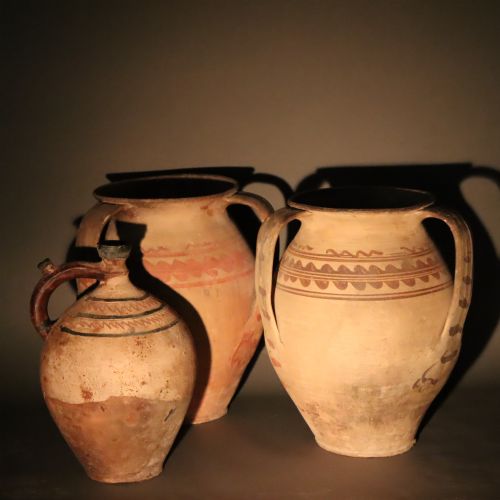
When buyers search for spanish folk art, they encounter a diverse range of domestic and devotional items created across the eighteenth, nineteenth and early twentieth centuries. These objects reflect regional traditions through domestic furniture, naive animal figures and devotional household items.
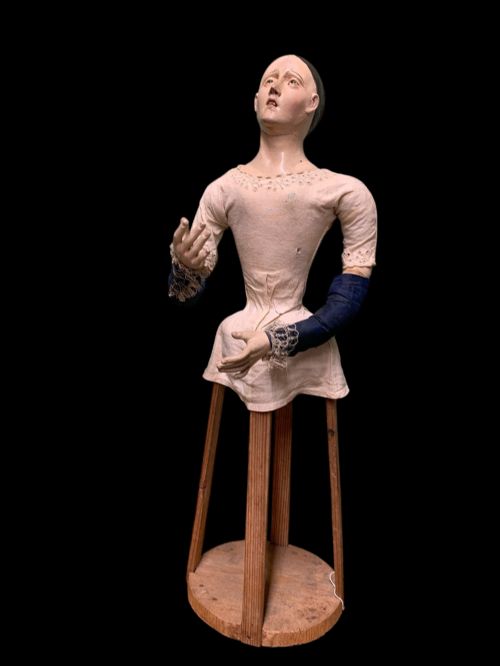
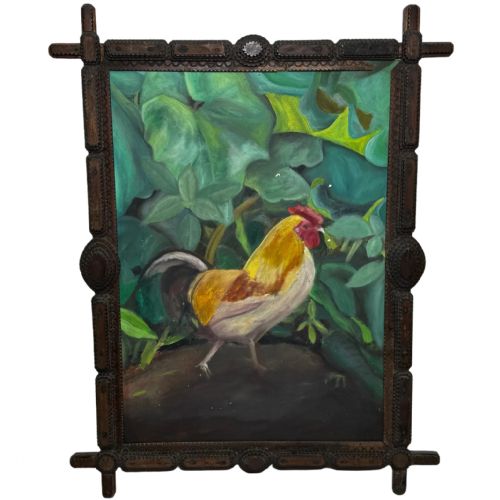
The pieces most frequently met on this page include carved wooden religious statues, painted domestic furniture such as settles and occasional tables, and original oil paintings. Alongside these are expressive objects like rocking horses and figural planters made from terracotta and carved wood.
Origins span distinct cultural traditions, featuring Catalan painting styles alongside pieces from broader Spanish and colonial contexts. The forms vary from intimate home altars to substantial armchairs paired with tables.
How they were made
Makers shaped these domestic and devotional items using traditional native timbers including chestnut, pine and general carved wood. Structural elements often incorporated iron hardware and supple leather for seating components.
Surface decoration frequently relied on polychrome paint applied directly to carved wooden substrates, occasionally enhanced with gold leaf for devotional subjects. Some figural forms utilised moulded terracotta alongside carved timber components.
Spanish Folk Art Retail Price Guide 2026
Typical asking prices for spanish folk art among the pieces listed under this phrase on Sellingantiques today, from the lower quarter to the upper quarter. They describe what is for sale here now, not the wider market.
Current listings demonstrate a material palette spanning chestnut, pine, iron, leather and terracotta, decorated with polychrome paint and gold leaf.
What varies in quality
The distinction between standard domestic items and superior examples rests upon the expressive depth of the carving and the preservation of original surface finishes. Pieces retaining undisturbed polychrome paint display greater visual authenticity than those with later repainting.
Construction methods also separate utilitarian farm pieces from finer artisan work, evident in the joinery of tables and settles. The subtlety of naive painting in oil works and the detailing of carved figures determine the overall character of the piece.
The Spanish Folk Art Glossary
- Polychrome paint
- Decoration employing multiple colours applied to wood, terracotta or plaster surfaces. This technique brings life to religious figures and folk carvings.
- Gold leaf
- Extremely thin sheets of beaten gold applied to decorative and devotional surfaces. It highlights the divine or important elements within ecclesiastical carvings and home altars.
- Settle
- A wooden wooden bench featuring a high back and solid arms designed to block draughts in domestic interiors. Eighteenth-century examples often incorporate canopies above the seating area.
- Naive art
- Artistic creation produced by individuals without formal academic training in perspective and proportion. This style characterises nineteenth-century rocking horses and regional oil paintings.
- Ecclesiastical
- Pertaining to the Christian church and its liturgy, encompassing devotional objects created for home altars or religious houses.
Spanish Folk Art: Frequently Asked Questions
How were these items used?
Many pieces served practical domestic functions as seating, tables or planters within rustic farmhouses and regional homes. Other objects fulfilled a spiritual role in domestic worship and private devotion.
Devotional pieces like home altars and statues of saints were placed in private rooms for daily prayer, while items such as rocking horses provided household entertainment.
How do I live with them?
These rustic and devotional items suit neutral interiors where their aged textures and painted surfaces can serve as focal points. Mixing painted wooden furniture with contemporary spaces highlights the warmth of the materials.
Placing occasional tables, small carvings or oil paintings in living areas introduces distinct regional character without overwhelming the room.
How do I tell periods apart?
Eighteenth-century items often display heavier structural framing, architectural canopy work and deep hand-carving associated with religious devotion. Nineteenth-century pieces frequently show naive painting styles and simpler domestic forms.
Early twentieth-century works, such as those from around nineteen-twenty or nineteen-thirty, introduce different material combinations like terracotta planters alongside traditional timber pieces.