





Spanish Carved Sculpture
Spanish carved sculpture delivers centuries of devotional wooden figures, polychrome saints and expressive ecclesiastical art straight to your room.
Spanish Carved Sculpture
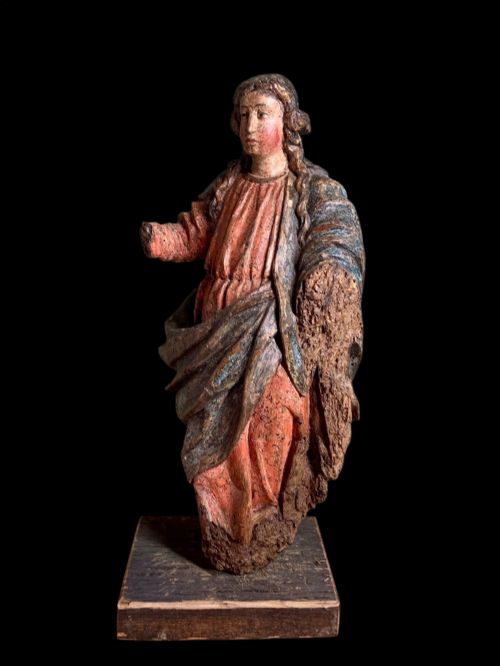
These works comprise wooden figures, saints, religious statues and wall sculpture originating from ecclesiastical and devotional contexts. When exploring spanish carved sculpture, buyers encounter pieces ranging from seventeenth and eighteenth century baroque works to nineteenth century folk art and naive pieces.
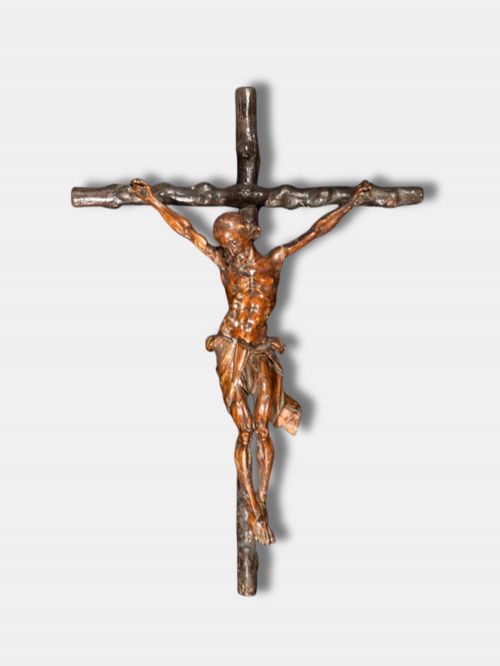
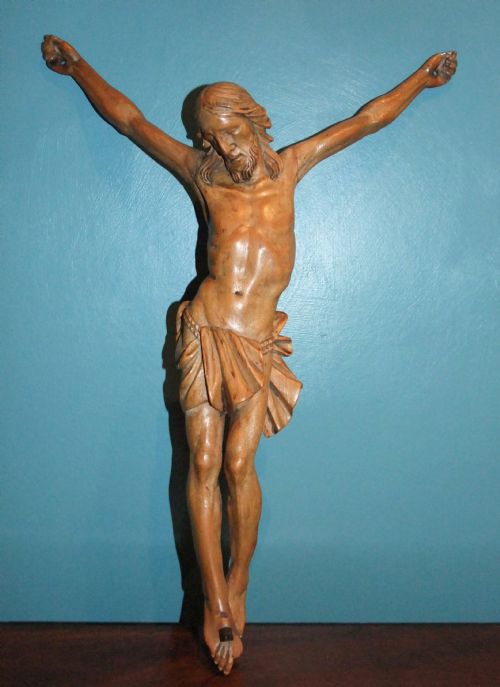
The selections span distinct devotional forms including corpus christi figures, pietas, acolyte candlestick figures and character heads of saints. Walnut and fruitwood carvings frequently appear alongside larger life size representations and smaller domestic devotional objects.
Materials and Techniques
The construction relies fundamentally on carved wood, utilising timber substrates shaped by hand before receiving decorative surface treatments. Artisans applied gesso to prepare wooden surfaces for subsequent layers of paint and gilding.
Spanish Carved Sculpture Retail Price Guide 2026
Typical asking prices for spanish carved sculpture among the pieces listed under this phrase on Sellingantiques today, from the lower quarter to the upper quarter. They describe what is for sale here now, not the wider market.
A nineteenth century naive wooden rock horse unexpectedly shares space among centuries of solemn ecclesiastical saints and holy figures.
Evaluating Quality
Quality rests upon the sensitivity of the carving and the preservation of the original surface finishes. Finer examples display expressive facial modelling and fluid drapery folds that reveal the hand of a skilled artisan rather than mass production.
The integrity of the polychrome paint and gold leaf significantly influences the character of a piece. Retained layers of early pigment carry historical authenticity, whereas later overpainting alters the visual impact and surface texture.
The Spanish Carved Sculpture Glossary
- Polychrome
- Painted in several colours. This surface treatment brings lifelike detail to wooden religious figures and saints.
- Gesso
- A plaster mix applied to wood as a ground for paint or gold leaf. It creates a smooth base for fine decoration.
- Corpus Christi
- An image of Christ on the cross. These wooden figures range in scale from small domestic items to large church sculptures.
- Santos
- A carved figure of a saint or holy person. They formed central elements in religious devotion and processions.
- Baroque
- An ornate artistic style marked by dramatic movement and rich detail. Spanish baroque sculpture emphasises emotional intensity.
Spanish Carved Sculpture: Frequently Asked Questions
How are spanish carved sculptures dated?
Dating relies on stylistic markers, tool marks, and the ageing of underlying wood substrates.
Changes in baroque detailing or folk art execution help place pieces within seventeenth, eighteenth, or nineteenth century periods.
Where were these wooden figures displayed?
These sculptures originated primarily in churches, convents, and private domestic chapels.
Ecclesiastical figures served devotional and processional purposes, while smaller santos figures occupied household shrines.
How do I care for polychrome wood?
Keep wooden sculptures in stable environments away from direct sunlight and moisture.
Avoid liquid cleaners that might damage fragile gesso and original paint layers on antique surfaces.
What is a corpus christi sculpture?
A corpus christi represents the physical body of Christ on a wooden cross.
These carvings capture anatomical detail and emotional expression characteristic of Spanish religious art.