




Spanish Baroque Art
Spanish baroque art brings devotional intensity into focus, offering oil paintings and polychrome wood figures defined by deep religious themes.
Spanish Baroque Art
Spanish baroque art encompasses devotional oil paintings and carved wood sculptures created across the seventeenth and eighteenth centuries. These pieces reflect profound religious observance, depicting saints, biblical figures, and sacred narratives with striking realism and emotional resonance.
Buyers frequently encounter works originating from regional centres such as Madrid or through Spanish colonial networks, demonstrating distinct local interpretations of European baroque conventions. The selection balances intimate devotional portraits with monumental canvas works and carved figures.
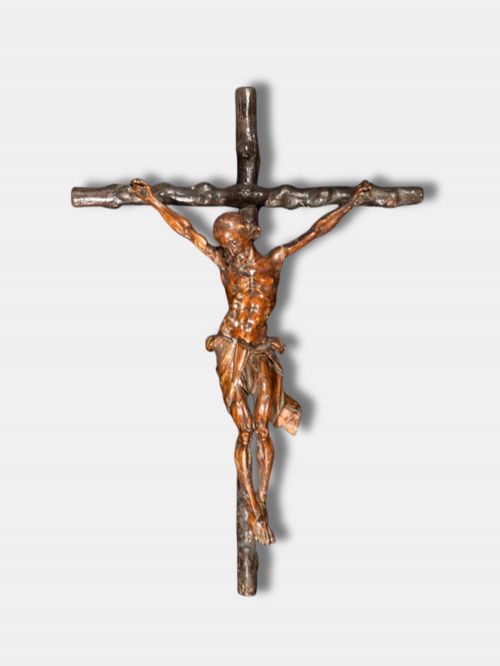
The physical forms vary from traditional oil paintings in period giltwood frames to life-size polychrome figures and crucifixes. Each piece bears the aesthetic marks of Catholic Counter-Reformation patronage, emphasising dramatic lighting and tactile realism.
Materials and construction
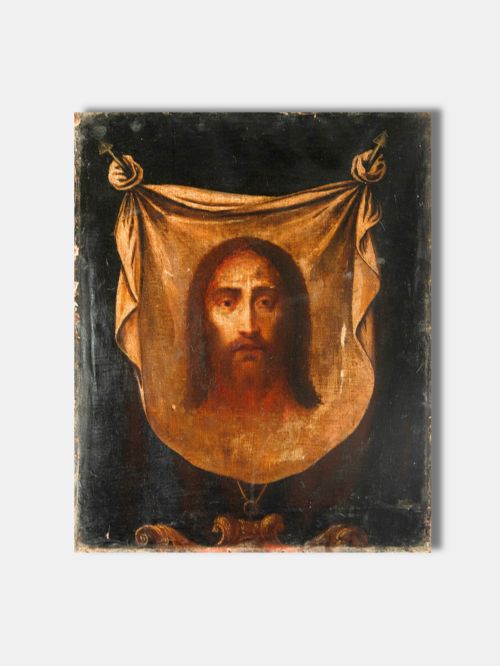
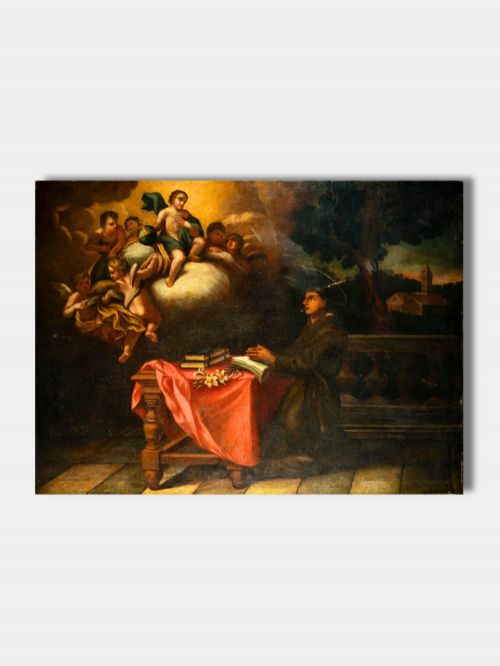
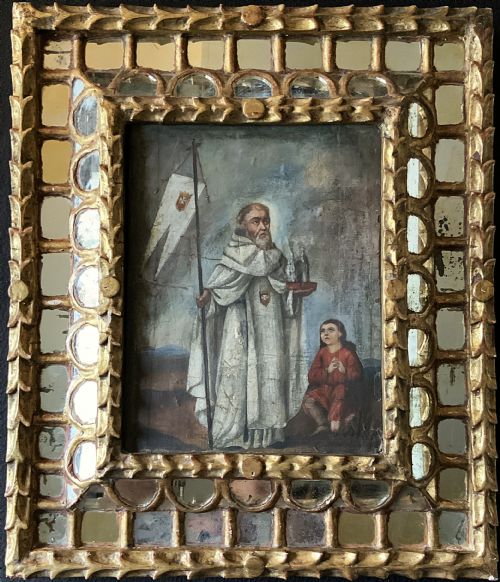
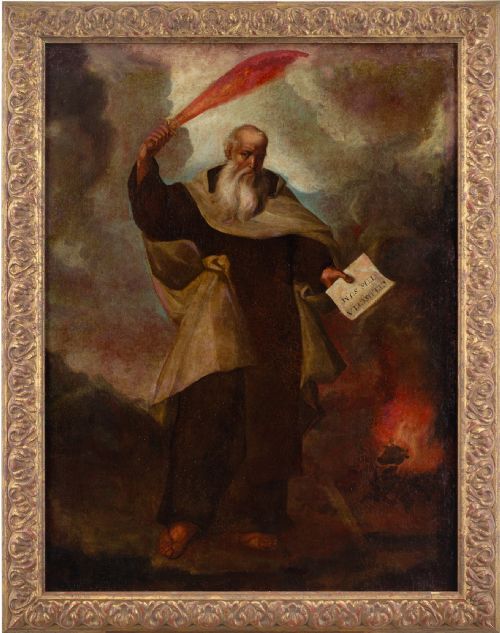
Paintings are executed in oil on canvas, often set within carved and gilded wood frames that complement the rich palette. Pigments capture subtle gradations of light and shadow, particularly in portraits of saints and theological figures.
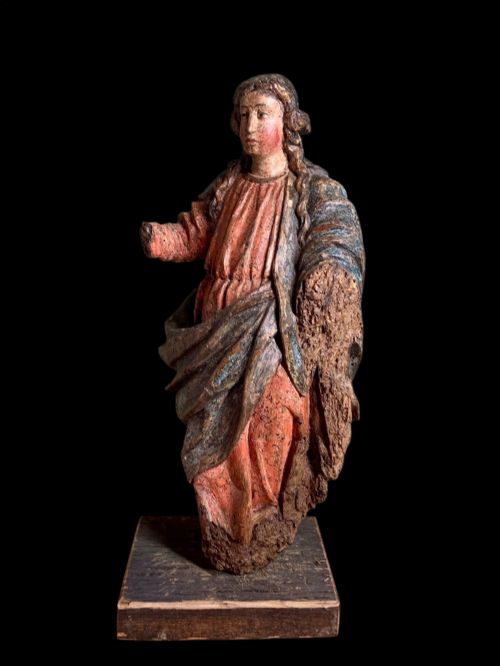
The combination of carved wood, gesso, and polychrome layers required specialised workshop techniques to ensure pigment adherence over centuries. These traditional methods produced durable devotional objects designed for both ecclesiastical and domestic settings.
Spanish Baroque Art Retail Price Guide 2026
Typical asking prices for spanish baroque art among the pieces listed under this phrase on Sellingantiques today, from the lower quarter to the upper quarter. They describe what is for sale here now, not the wider market.
One remarkably detailed larder still life includes eggs, walnuts, lamb, apples, playing cards, dice, a lemon, snails, an onion, and bread.
Evaluating the range
The upper tier of works demonstrates superior brushwork, anatomical precision, and sophisticated handling of light, particularly in paintings associated with specific regional schools or documented masters. These pieces exhibit confident draftsmanship and nuanced psychological depth in portraiture.
Sculptural quality is distinguished by the finesse of the woodcarving and the preservation of the original polychrome and gilt surfaces. Finer figures display intricate detail in drapery folds and hand-painted facial expressions that elevate the devotional impact.
Juan Ruiz Soriano·Gaspar de Figueroa·Bartolome Murillo
The Spanish Baroque Art Glossary
- Baroque
- A European artistic style spanning the seventeenth and eighteenth centuries characterised by drama, tension, and rich detail. In this context, it manifests through intense religious subjects and theatrical lighting.
- Polychrome paint
- Multiple colours applied to sculpture, bringing carved wooden figures to lifelike appearance. This technique is fundamental to Spanish religious imagery.
- Gesso
- A plaster mixture applied to wood surfaces to prepare them for painting or gilding. It provides a smooth ground for subsequent layers of pigment and gold leaf.
- Giltwood
- Wood that has been treated with a thin layer of gold leaf or powder. Period frames and sculptural details frequently employ this finish to catch ambient light.
Spanish Baroque Art: Frequently Asked Questions
What subjects appear most frequently?
Devotional subjects dominate the selection, including representations of the Virgin Mary, various saints, and scenes from biblical narratives. Portraits of theologians and sacred figures also recur across the painted works.
Still life compositions provide an alternative focus within the wider Spanish school tradition, recording domestic objects and provisions with careful attention to texture.
How were carved figures displayed?
Polychrome wooden sculptures and crucifixes served as focal points for private devotion in domestic interiors as well as larger installations in ecclesiastical spaces. Their life-size or monumental scale created an immediate presence for the viewer.
Many figures were integrated into altarpieces or carried in religious processions, influencing how carvers treated both the front and rear surfaces of the timber.
How do seventeenth and eighteenth-century works differ?
Seventeenth-century pieces often reflect the tenebrist lighting and severe emotional focus associated with the height of the Spanish baroque and Madrid school traditions. Portraits and devotional canvases from this era prioritise dramatic contrast.
Eighteenth-century examples frequently adopt softer palettes and more approachable pastoral themes, such as depictions of the Divine Shepherdess, while maintaining traditional carving and painting methods.
What is colonial art in this context?
Colonial pieces reflect the transmission of Spanish baroque techniques and iconography to overseas territories under Spanish administration. These works blend European devotional formulas with local materials and workshop practices.
Such items share stylistic traits with mainland Spanish art while offering insight into the broader artistic exchange across the empire.