

Spanish Art
Spanish art brings together centuries of devotional figures, baroque portraits and regional folk traditions that lend deep character to any room.
Spanish Art
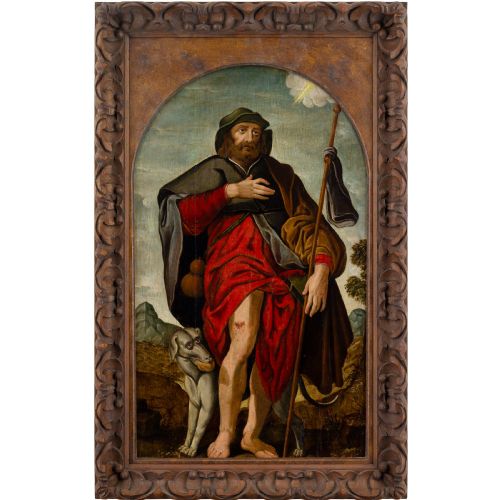
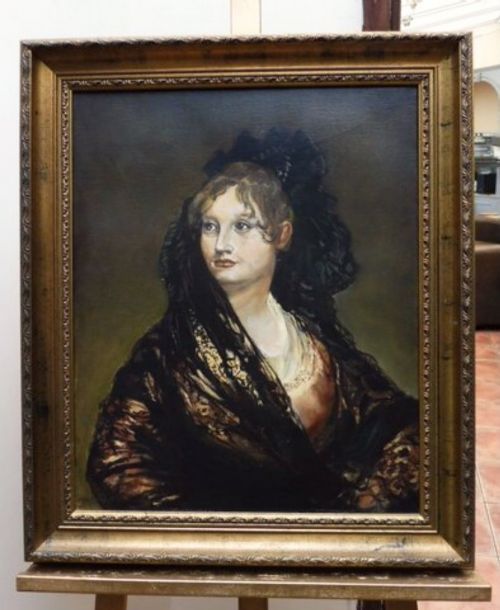
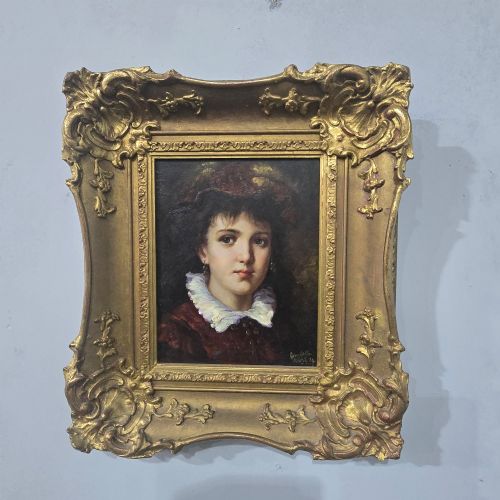
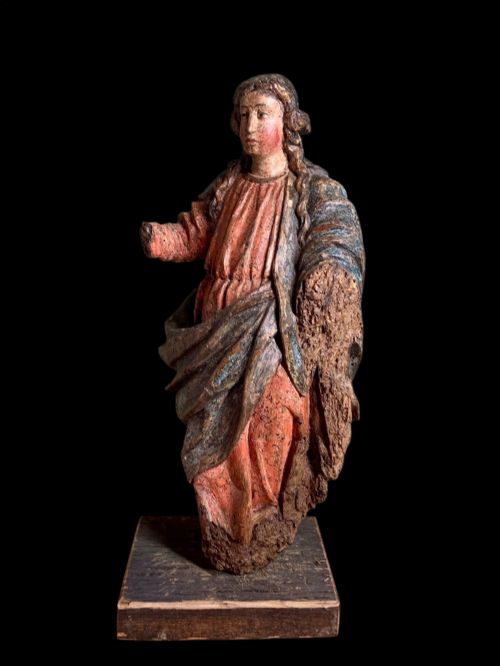
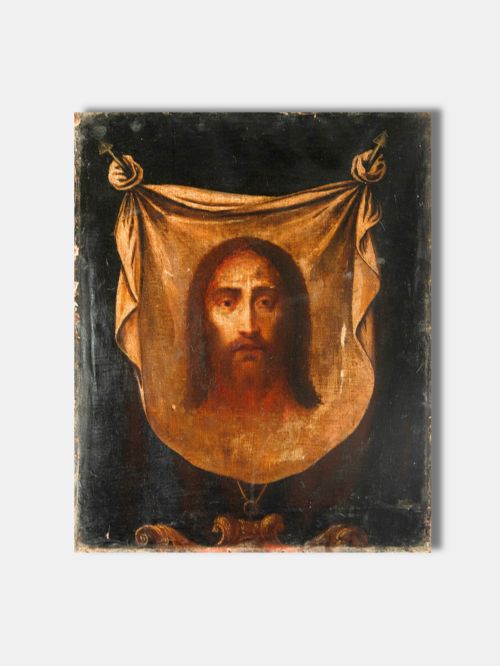
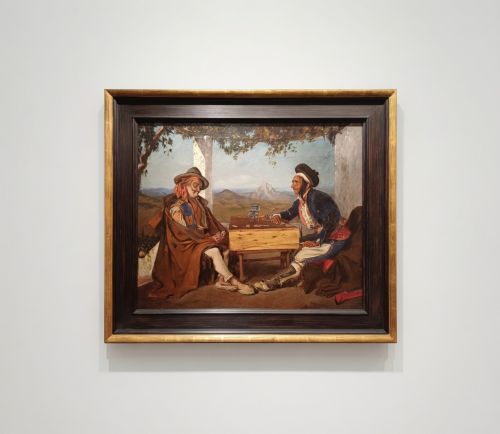
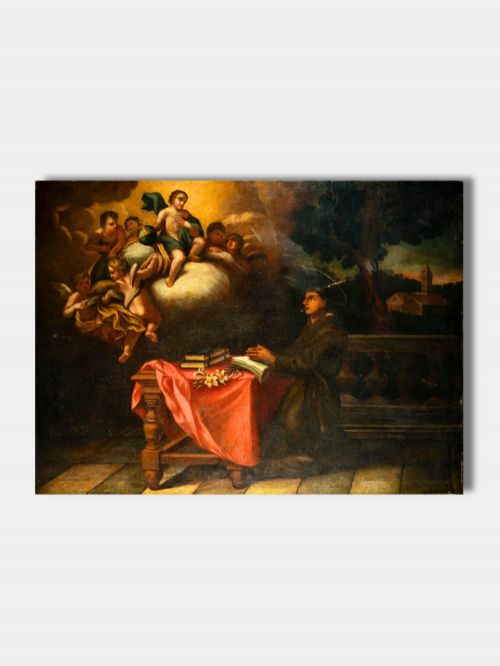
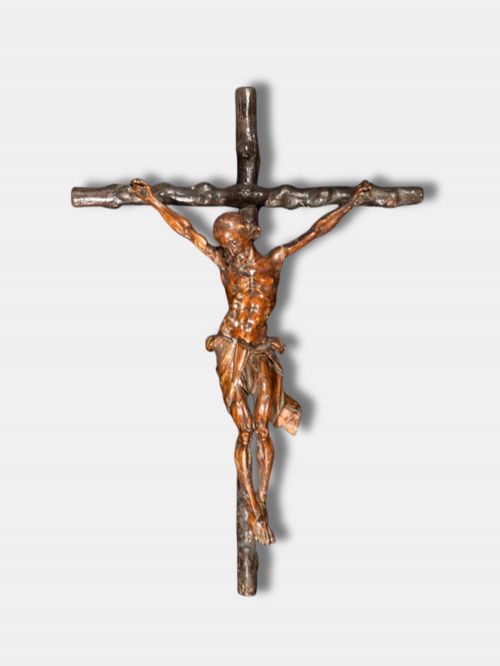
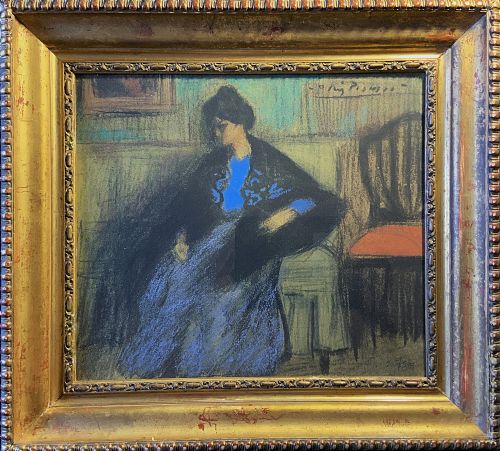
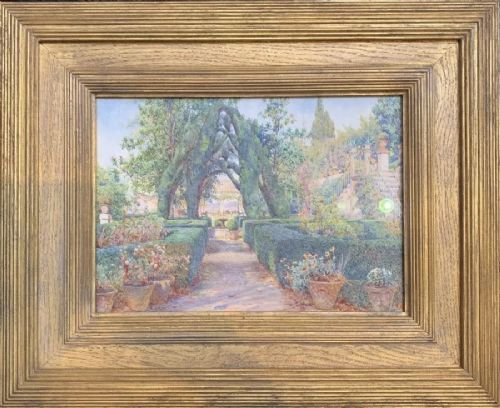
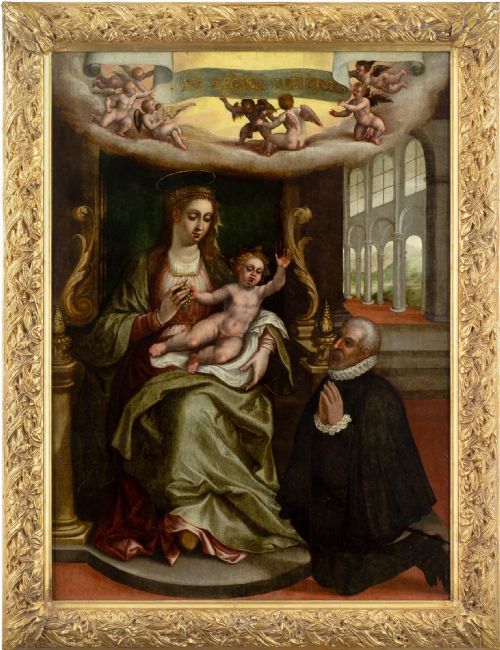
When you search for spanish art, you encounter oil paintings, carved wooden figures and religious statues stretching from the seventeenth century through to the twentieth century. The selection ranges from monumental canvas works depicting saints and biblical scenes to naive folk objects and painted pottery vessels.
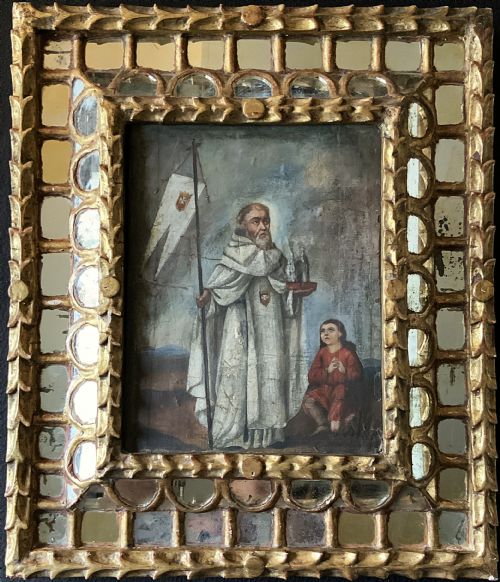
The pieces you are most likely to meet on this page are seventeenth-century baroque oil portraits and eighteenth-century polychromed wood sculptures of saints. Alongside these formal works, regional folk art items such as carved settles, small home altars and ceramic pieces appear frequently.
How They Were Made
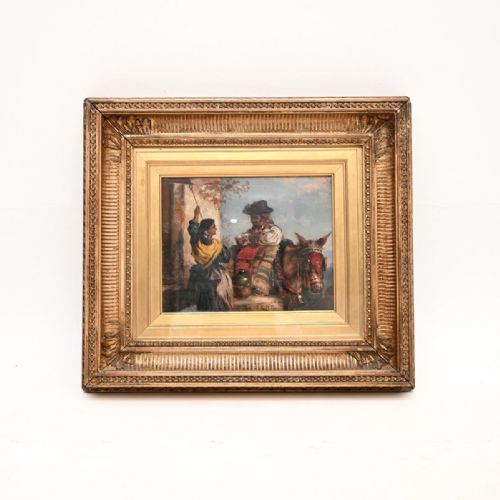
Painters worked primarily with oil on canvas and oil on board, applying pigments within traditions ranging from the Madrid school to nineteenth-century realism. Frames often consist of giltwood and carved wood.
Spanish Art Retail Price Guide 2026
Typical asking prices for spanish art among the pieces listed under this phrase on Sellingantiques today, from the lower quarter to the upper quarter. They describe what is for sale here now, not the wider market.
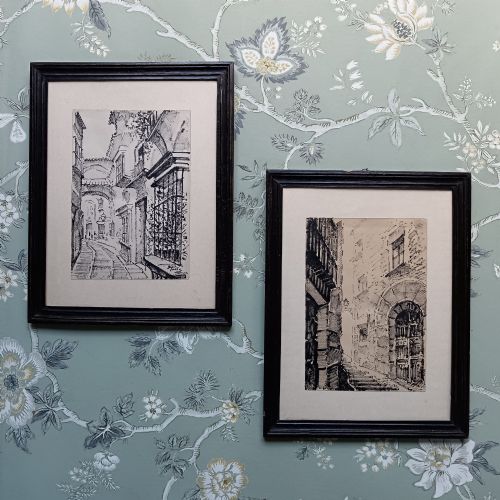
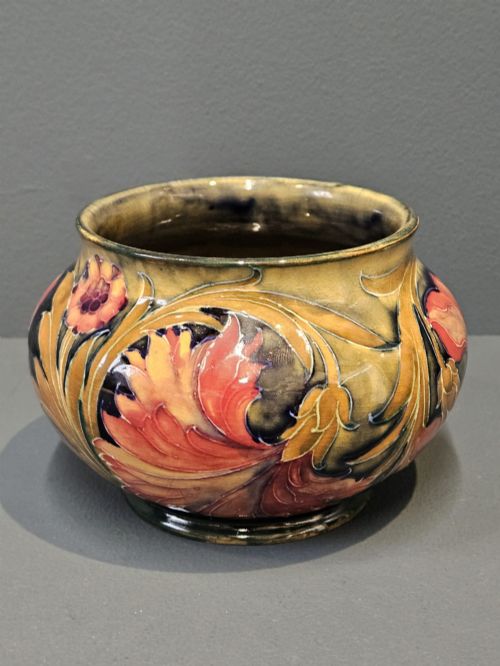
Canvas and carved wood are the primary mediums represented, supported by bronze sculptures, pottery vessels and watercolours.
What Varies in Quality
The distinction between standard works and exceptional pieces lies in the handling of the medium and the sureness of the draughtsmanship. In paintings, masterly control of light and shadow elevates a canvas, whereas lesser works rely on formulaic repetition.
For carved and polychromed figures, quality is measured by the preservation of the original painted surface and the anatomical precision of the carving. The depth of the gesso work and the richness of the gilding set the finer sculptures apart from simpler regional items.
Francisco José de Goya y Lucientes·Thomas Kent Pelham·Justo de Gandarias·Gabriel Puig Roda·Miguel Barroso
The Spanish Art Glossary
- Baroque
- A stylistic period spanning the seventeenth and early eighteenth centuries characterised by dramatic movement and deep chiaroscuro. Works from this era often focus on intense religious or portrait subjects.
- Polychrome
- A technique involving the application of multiple colours to sculpture and woodwork. This method brings carved figures of saints and altars to lifelike appearance.
- Giltwood
- Wood that has been coated with a thin layer of gold leaf or gold paint. This material forms the ornate frames surrounding oil paintings and certain decorative elements.
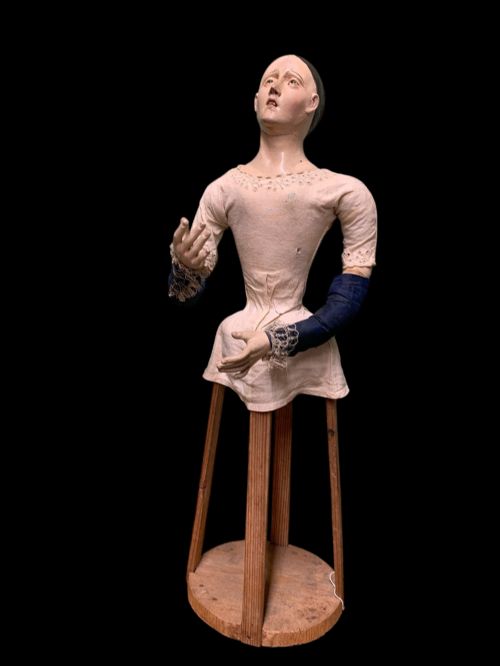
- Capipote
- A sculptural figure constructed with a carved wooden head and hands attached to a framework of sticks or wire. These figures were traditionally dressed in real textiles for religious processions.
- Gesso
- A plaster mix applied to wood or canvas as a smooth base for painting or gilding. It provides a durable foundation for polychrome decoration.
Spanish Art: Frequently Asked Questions
What subjects appear in spanish art?
Devotional figures, saints and religious narratives dominate the earlier centuries, reflecting the strong Catholic patronage of the period. Portraits of nobility, still-life studies and regional scenes of riders and dancers emerge in later nineteenth and twentieth-century works.
Folk art items introduce domestic subjects, including hand-painted pottery, carved wooden animals and decorated furniture pieces.
How do I care for antique wood sculptures?
Keep wooden figures and polychromed carvings away from direct sunlight and sudden temperature shifts to protect the delicate gesso and paint layers. Dust them gently with a dry, soft cloth rather than using liquid cleaning products.
Stable room humidity prevents the timber from splitting and preserves the integrity of the antique surface.
How are seventeenth and eighteenth-century works distinguished?
Seventeenth-century pieces typically exhibit the dramatic shadows and intense emotional focus of the baroque style, often centered on religious devotion or formal portraiture. Eighteenth-century examples frequently show lighter compositions, softer colour palettes and intricate polychrome work on devotional figures.
Examining the canvas preparation, stretcher construction and framing helps confirm the period of origin.
Where were these pieces originally displayed?
Many paintings and carved figures originated in churches, private chapels and domestic shrines across regions like Andalusia and Madrid. Folk art pieces such as settles, coffers and pottery vessels served practical functions in everyday rural homes.
Today, these objects transition easily into modern interiors as focal wall pieces or standalone statement objects.