



Spanish Canvas Art
These spanish antique canvas art works span centuries of painterly tradition, offering buyers rich historical portraits, religious subjects and evocative genre scenes.
Spanish Canvas Art
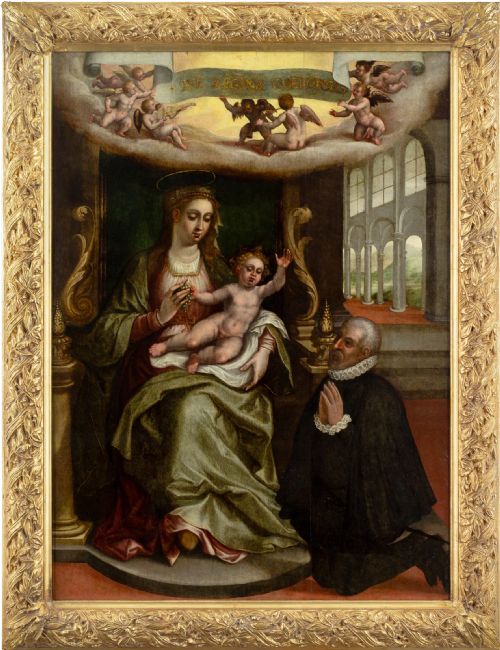
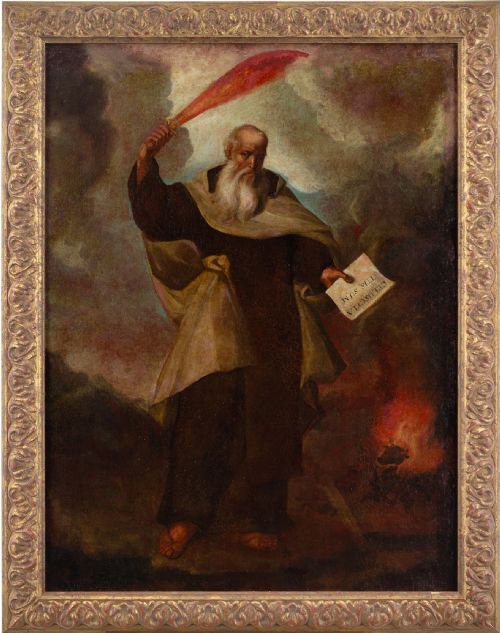
When you search for spanish antique canvas art, you encounter oil paintings spanning from the sixteenth century through the mid-twentieth century. The selection ranges from devotional religious subjects and formal portraits to vibrant genre scenes and still-lifes.
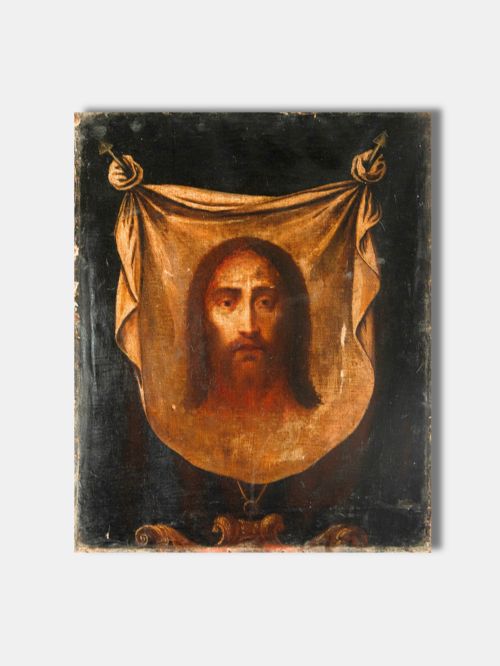
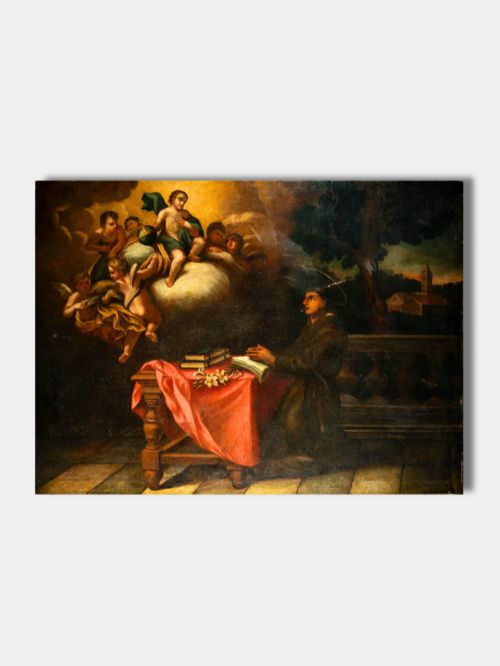
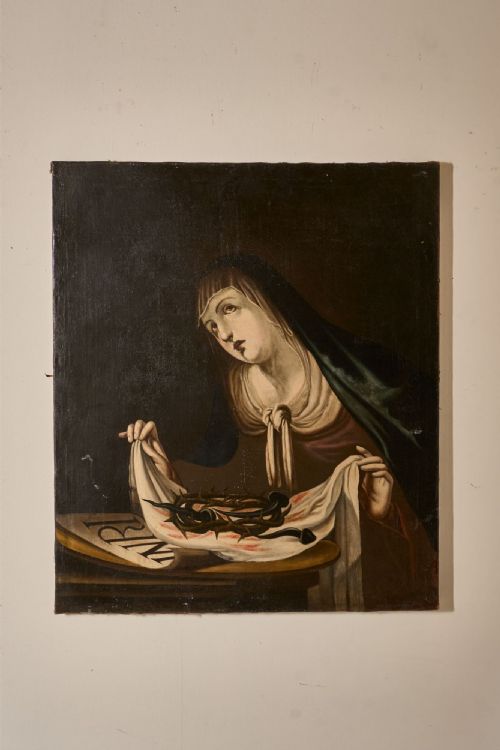
Religious depictions, including portraits of Mary, saints, and holy figures, appear frequently alongside regional character studies and landscapes. Works vary from seventeenth-century ecclesiastical pieces to later nineteenth-century interpretations and twentieth-century regional folk compositions.
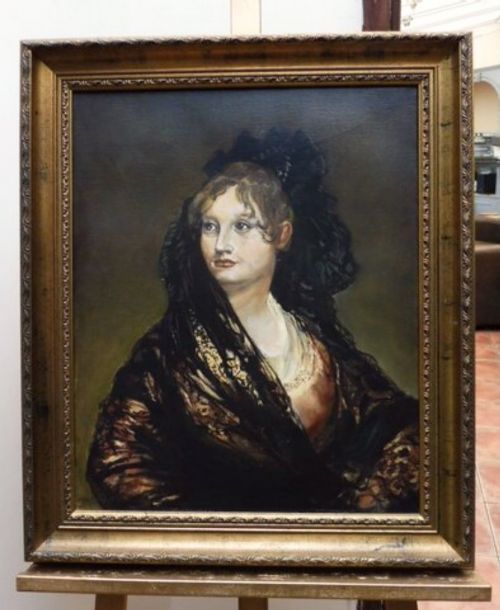
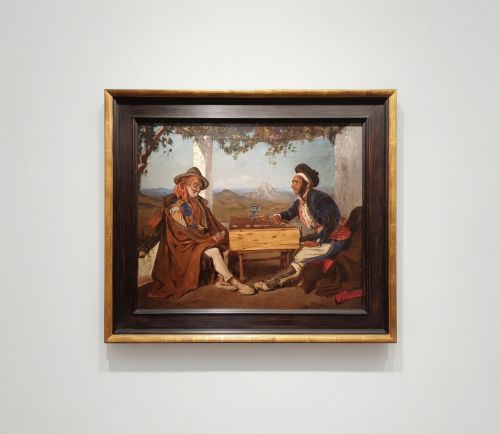
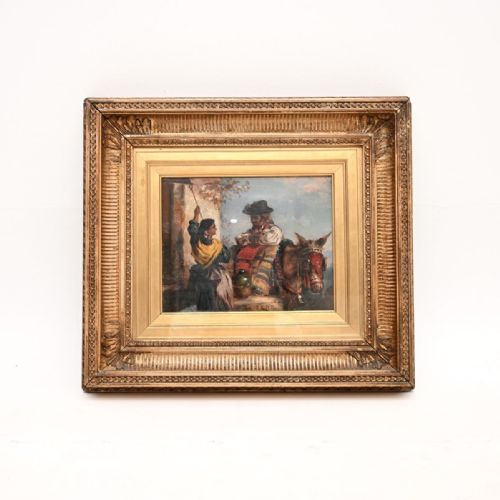
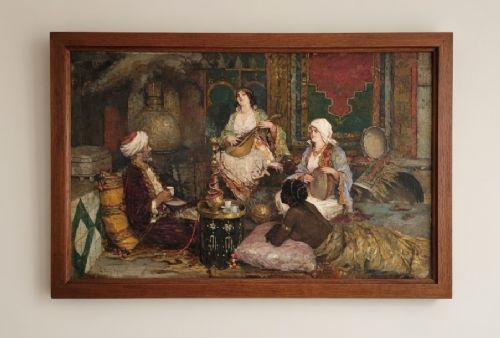
Portraits of Spanish ladies, card players, riders, and still-life studies represent the primary forms encountered on this page. These pieces originate from various historical periods, including the Spanish Baroque, Spanish Renaissance, and nineteenth-century realism movements.
Materials and Techniques
Painters utilised oil paint applied directly onto woven canvas supports, often supported by wooden stretcher frames. Many works incorporate heavy layers of oil pigment to build depth, texture, and tonal variation across the surface.
Materials documented across the inventory include oil paint, canvas, wood, and gilded wood frames.
Assessing Quality
The distinction between upper and lower tiers rests upon the dexterity of brushwork, anatomical proportion, and compositional balance. Masterly handling of light and shadow, particularly in the rendering of fabrics and facial expressions, elevates certain pieces above standard workshop output.
Provenance and attribution also influence distinction, with works linked to specific regional schools or documented circles commanding greater scholarly interest. The preservation of the original pigment layer and the integrity of the canvas fabric contribute significantly to an evaluation of overall standard.
Miguel Barroso·Gabriel Puig Roda·Thomas Kent Pelham·Juan Ruiz Soriano·Gaspar de Figueroa·August Heinrich Riedell·William Oliver·Bartolome Murillo·Flores Cadiz·Francisco Jose Domingo y Marques·Henri Cadiou·Antonio Ribas Y Oliver
The Spanish Canvas Art Glossary
- Canvas
- A heavy woven fabric stretched across a wooden frame to serve as a support for oil painting. It provides a durable and textured surface for pigment application.
- Giltwood
- Wood that has been coated with a thin layer of gold leaf or gold paint. This material frequently frames antique paintings to provide a decorative border.
- Spanish Baroque
- An artistic style spanning the seventeenth and early eighteenth centuries, characterised by intense emotion, dramatic contrast between light and dark, and religious fervor. It produced some of the most striking portraits and devotional works in the region.
- Spanish School
- A designation applied to artworks created by painters working within Spain or following established Spanish artistic traditions. It encompasses various regional movements from the Renaissance onwards.
- Oil on Canvas
- A technique involving pigment suspended in drying oils applied directly to a woven fabric ground. This medium allows for rich colour blending and longevity.
Spanish Canvas Art: Frequently Asked Questions
How do I date an old painting?
Dating relies upon stylistic markers, costume details, materials, and historical records associated with the artist or school. Examining the canvas weave and stretcher construction also aids in determining age.
Experts compare the pigment application and thematic elements against documented works from specific periods such as the seventeenth or nineteenth century to narrow down the timeframe.
What is Spanish colonial art?
Colonial art refers to works produced in territories under Spanish rule, particularly during the seventeenth and eighteenth centuries. These pieces often blend European stylistic techniques with local cultural subjects and iconography.
Such works frequently depict religious figures and saints, serving devotional purposes within churches and mission settlements across the empire.
What does after an artist mean?
The term indicates that the work is a later copy or interpretation of a composition originally created by a master painter. These pieces were often painted by students or followers as part of their training.
Such works capture the composition and spirit of the original master while bearing the distinct hand of a different practitioner from a later date.