







South West Persia Carpet
A south west persia carpet brings tribal character and rich heritage into a room, offering deep connection to traditional weaving arts.
South West Persia Carpet
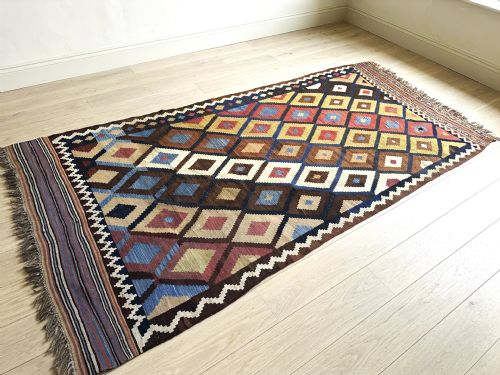
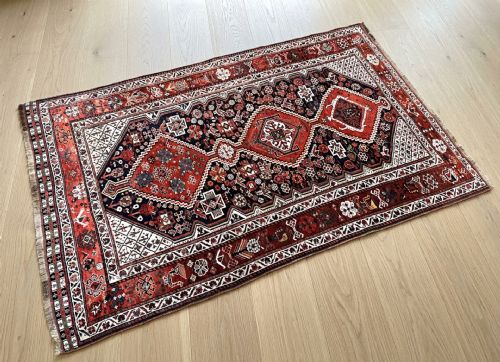
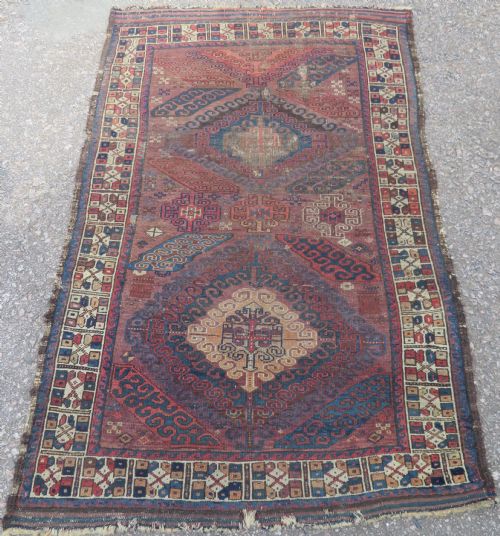
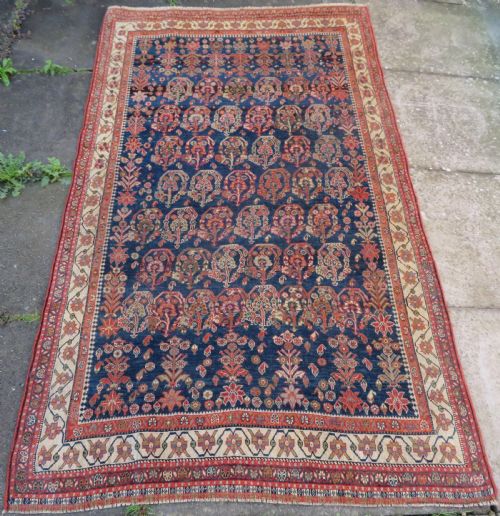
A south west persia carpet encompasses tribal weavings originating from the Fars province, created by confederacies and subtribes such as the Khamseh, Qashqai, and Afshar. These pieces reflect nomadic traditions, featuring distinct regional patterns and vernacular designs handed down through generations.
The selections available range from compact area rugs and runners to larger carpets, dating predominantly from the nineteenth century into the early twentieth century. Buyers encounter Khamseh confederacy pieces alongside Qashqai tribal rugs and specific subtribe examples like the Baharlu Tayefeh or Arab-jabbareh.
Tribal motifs dominate the surface designs, often incorporating geometric structures, repeated boteh patterns, and stylized bird forms such as the peacock motif. These layouts demonstrate the aesthetic priorities of makers working within specific Persian tribal traditions.
Materials and construction
These textiles rely on wool for the pile and foundation elements, frequently paired with cotton foundations in specific tribal structures. Natural dyes provide the enduring palette, yielding rich tones that age with distinct character.
Weavers utilised traditional hand-knotting techniques on upright vertical looms, securing the structure with sturdy wool or cotton wefts and warps. The resulting dense pile protects the foundation while holding intricate geometric and figurative details.
South West Persia Carpet Retail Price Guide 2026
Typical asking prices for south west persia carpet among the pieces listed under this phrase on Sellingantiques today, from the lower quarter to the upper quarter. They describe what is for sale here now, not the wider market.
Some weavers included hidden human figures and peculiar birds among the geometric mazes, watching over the household from the floor.
Assessing quality and execution
Quality rests in the precision of the knotting, the complexity of the tribal motifs, and the clarity of the natural dye palette. Finer examples display tighter pile tension and crisper delineation of intricate geometric or figurative patterns.
The integrity of the foundation and the preservation of original tribal motifs further distinguish superior pieces. Weavings that retain their full borders and structural stability command greater appreciation among collectors of Persian tribal work.
Baharlu Tayefeh·Arab-jabbareh Tribe
The South West Persia Carpet Glossary
- Khamseh
- A confederation of five distinct tribes in south-west Persia known for producing characterful tribal rugs with rich geometric patterns.
- Qashqai
- A major confederacy of Turkic-speaking nomadic tribes in the Fars province celebrated for artistic and finely knotted tribal carpets.
- Boteh
- A traditional almond or pear-shaped motif symbolizing life and eternity, frequently repeated across Persian tribal rugs.
- Natural Dyes
- Colourants derived from plants, insects, and minerals that create harmonious, non-synthetic hues altering subtly over time.
- Runner
- A long, narrow carpet format traditionally utilised in hallways or corridors to protect flooring while displaying tribal designs.
South West Persia Carpet: Frequently Asked Questions
How do I identify a Khamseh rug?
Look for distinctive geometric layouts, rich dark palettes, and specific tribal motifs associated with the confederacy in the Fars province.
These pieces often incorporate small animal figures, stylized birds, and repeating diamond patterns executed in hand-spun wool.
What is a Qashqai Kashkuli rug?
A Kashkuli represents a finer grade of weaving produced by a specific subtribe within the broader Qashqai tribal confederacy.
These textiles typically feature tighter knot counts, more refined detail work, and sophisticated handling of traditional motifs like the boteh.
How should I care for a tribal rug?
Protect the textile by placing it in low-traffic areas or hallways where footfall remains minimal and evenly distributed.
Vacuum gently without using a rotating brush roll, and keep the wool out of direct, prolonged sunlight to preserve the natural dyes.