
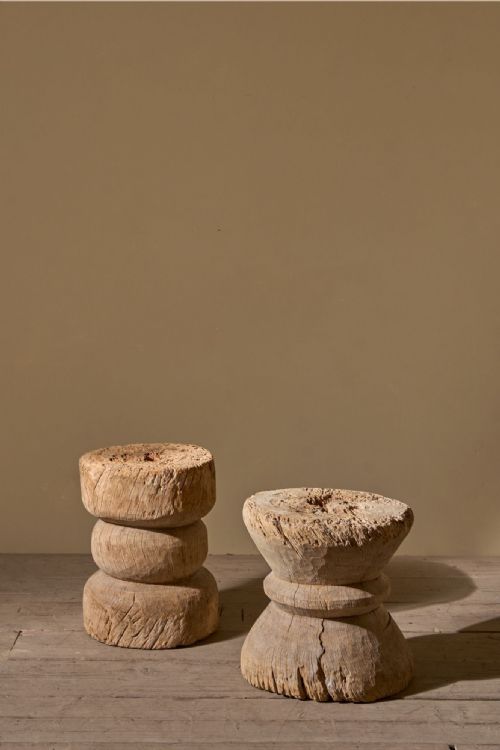
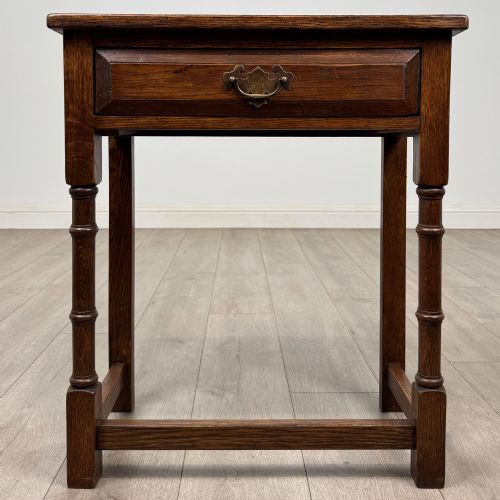


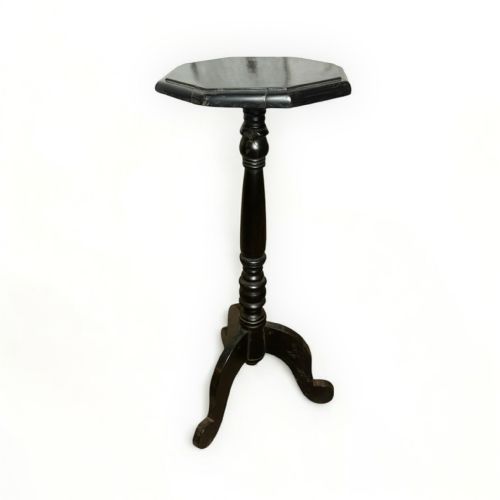

Solid Wood Plant Stand
These solid wood plant stand pieces are sturdy domestic supports crafted from oak, mahogany, and rosewood, offering timeless utility for display.
Solid Wood Plant Stand
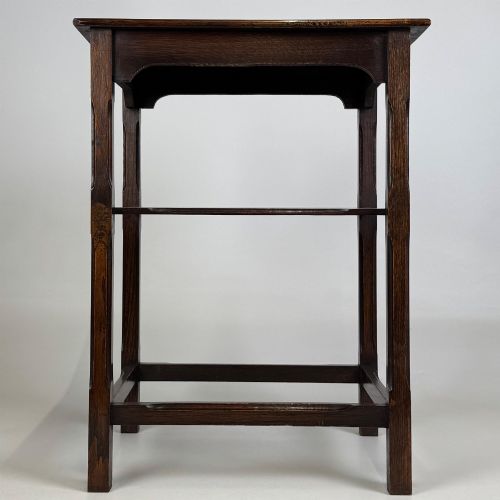
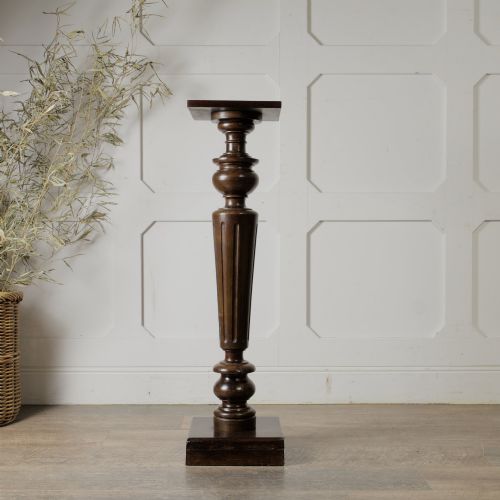
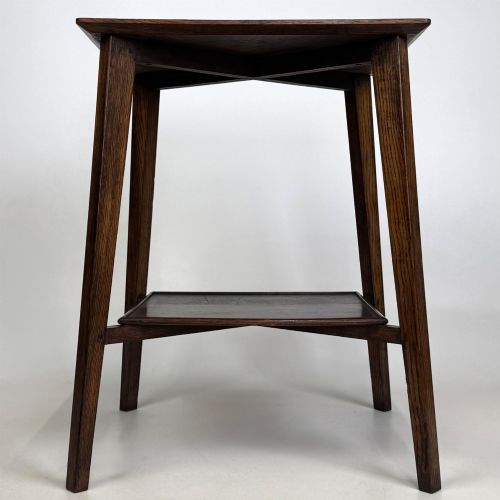
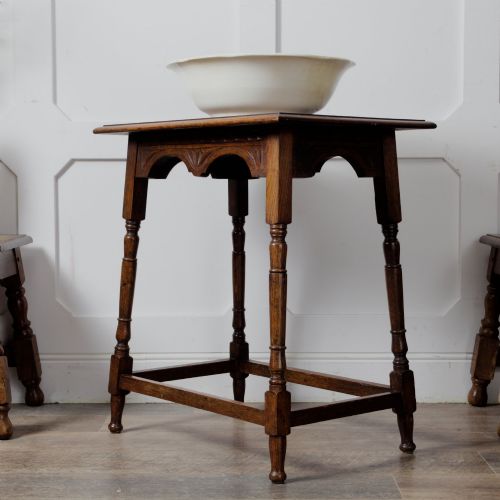
When searching for a solid wood plant stand, you encounter a practical variety of side tables, stools, and pedestals designed to elevate displays in the home. These domestic furnishings span periods from the nineteenth century through the Edwardian era and into the early twentieth century.
The pieces appearing on this page present diverse regional and stylistic origins, including Edwardian oak tables, rustic folk art items, and carved African or Anglo-Indian examples. Side tables and joint stools serve double duty as display surfaces for greenery and decorative objects.
Makers utilised resilient timbers to construct sturdy supports suited to heavy pots and ornaments. The selection leans heavily toward oak and mahogany forms, accompanied by rosewood, ebony, and elm specimens.
How they were made
Makers fashioned these stands using durable hardwoods such as oak, mahogany, rosewood, and ebony, often selecting solid timber and live edge slices for natural character. Joinery techniques and turned plinths provide structural integrity to bear weight reliably.
Surface ornamentation ranges from carved details and brass accents to bone inlay on exotic woods. Craftsmen applied traditional woodworking methods to shape tree trunks, joint stools, and octagonal tables into enduring furnishings.
The forms include side tables, joint stools, pedestals, and tree trunk blocks influenced by rustic folk art, Arts and Crafts, and tribal traditions.
What varies in quality
The standard of a solid wood plant stand rests upon the selection of timber and the precision of its construction. Dense hardwoods like mahogany and rosewood hold intricate carvings more crisply than softer or coarser planks.
Stability and proportion distinguish finer examples from utilitarian pieces. Well-executed joinery and harmonious turning on plinths and legs indicate careful workshop production.
The Solid Wood Plant Stand Glossary
- Edwardian
- Pertaining to the reign of King Edward VII, noted for lighter furniture designs and revived historical styles in oak.
- Joint stool
- A traditional wooden stool built with mortise and tenon joints, sturdy enough to double as a small display surface.
- Pedestal
- A tall, slender support designed specifically to elevate sculptures, urns, or decorative plants above floor level.
- Live edge
- A style of furniture that incorporates the natural outer edge of the tree into the design of the wooden board.
- Rosewood
- A heavy, durable timber prized for its rich grain and suitability for detailed carving in imported furniture.
Solid Wood Plant Stand: Frequently Asked Questions
What are solid wood plant stands used for?
These versatile furnishings provide elevated surfaces for potted plants, lamps, and ornamental objects within living spaces.
Their sturdy timber construction allows them to support significant weight safely while adding decorative character to room corners.
How do I identify an Edwardian stand?
Edwardian pieces typically feature lighter proportions and use oak or mahogany, often reflecting revived historical motifs.
They date from the early twentieth century and prioritise domestic utility alongside refined decorative joinery.
Are these stands made from solid timber?
The pieces listed utilise solid woods including oak, mahogany, rosewood, ebony, and elm rather than veneered panels.
This solid construction ensures lasting strength and allows for carved detailing directly into the structural material.
How do I clean wooden plant stands?
Maintain the finish by dusting regularly with a soft cloth and occasionally applying appropriate wood wax.
Avoid placing damp pots directly on the surface to protect the timber from water rings and moisture damage.