



Solid Wood Desk
A solid wood desk offers practical workspace built from enduring timbers, bringing traditional craftsmanship and heavy materials directly into a modern study.
Solid Wood Desk
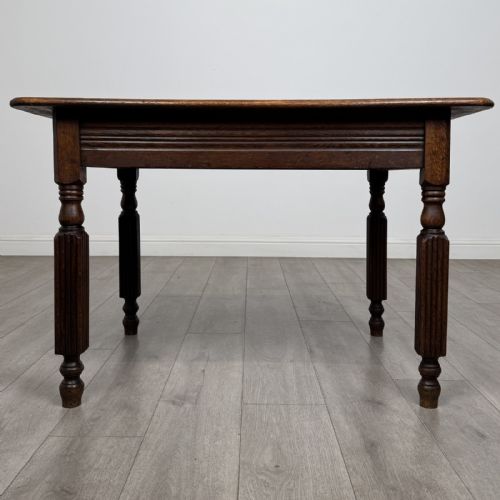
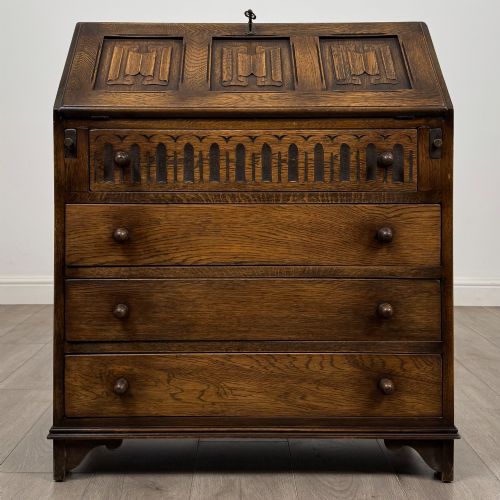
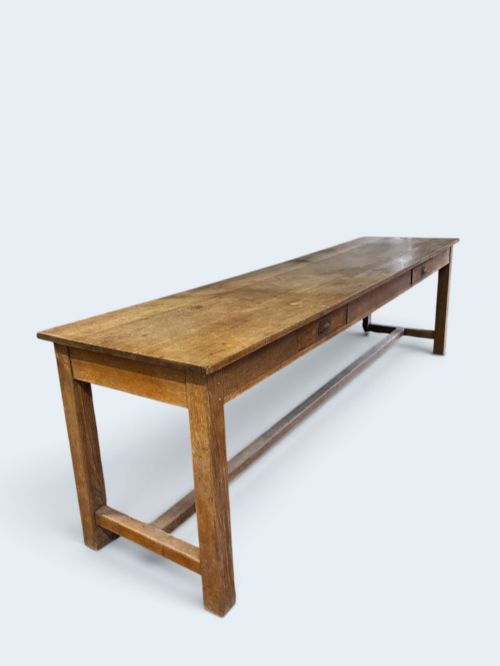
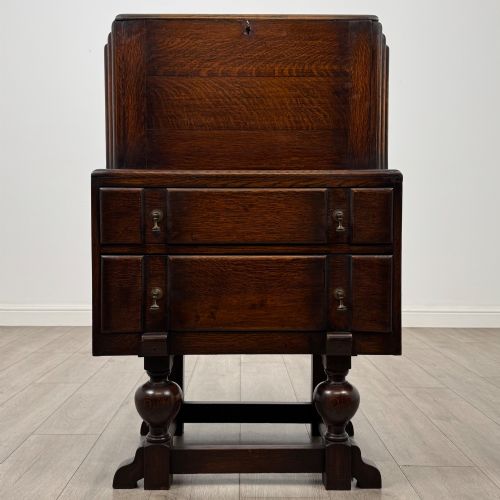
A solid wood desk typically takes the form of an Edwardian writing table or a fitted bureau, constructed from durable native timbers such as oak, mahogany, and elm. These pieces provide a dedicated surface for daily writing and administrative tasks, often incorporating multiple drawers for stationary storage.
The selection ranges from simple writing tables with turned legs to elaborate bureaus featuring fitted internal compartments, pigeonholes, and drop fronts. Many pieces date from the nineteenth and early twentieth centuries, reflecting regional cabinet-making traditions across Britain and beyond.
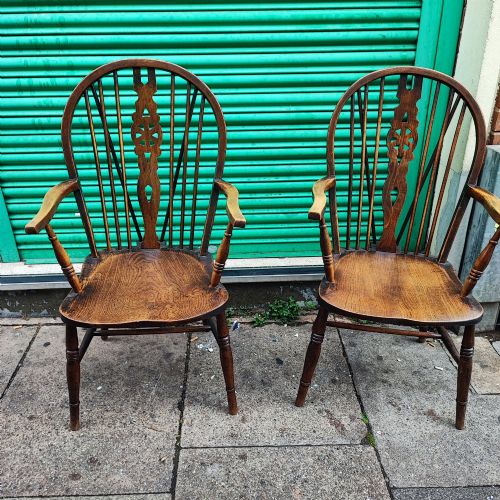
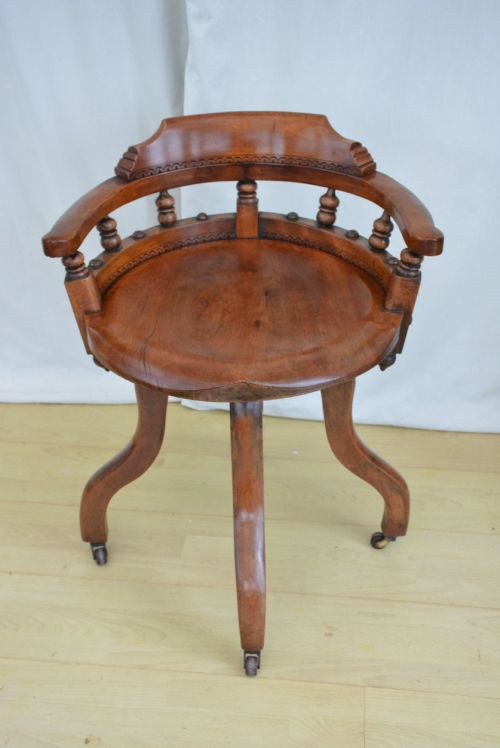
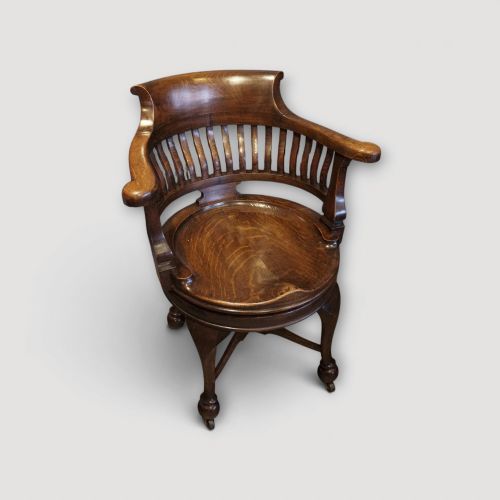
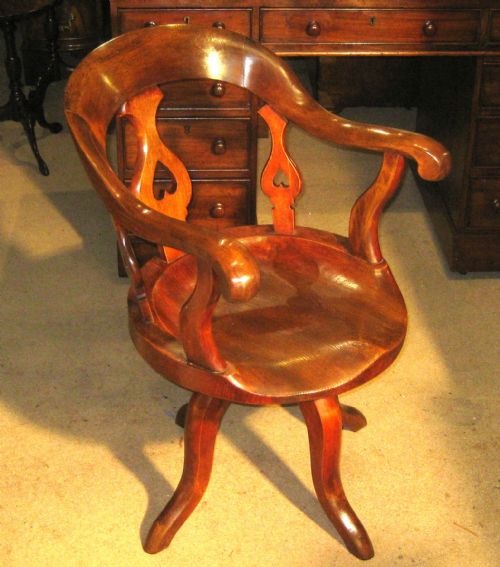
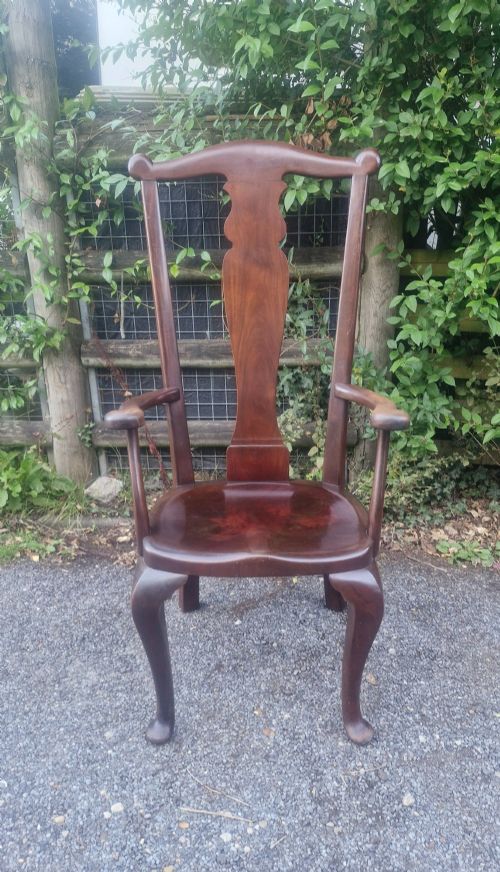
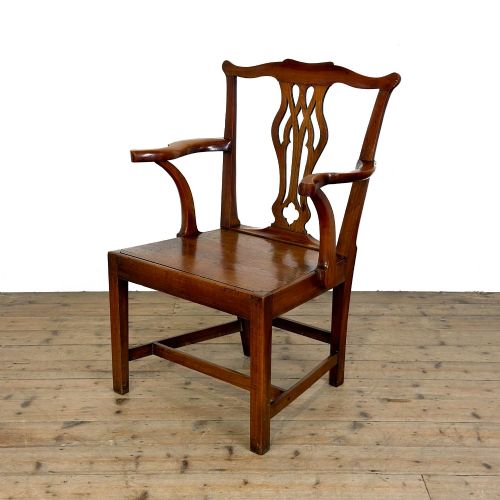
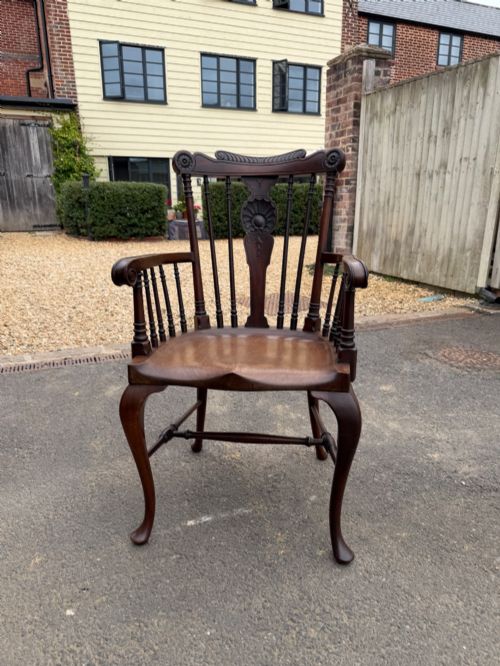
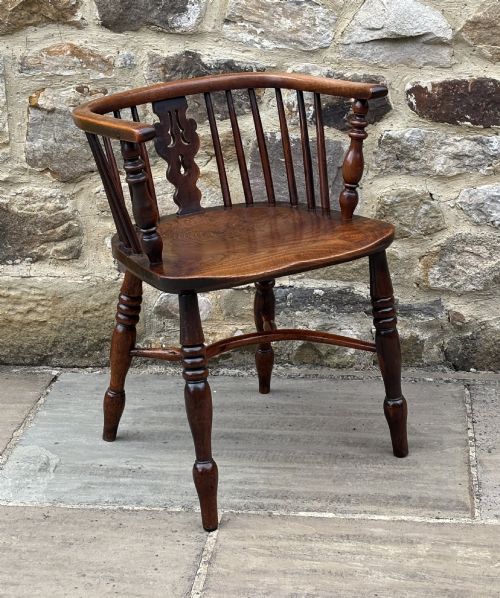
Alongside conventional writing desks, the category encompasses related workspace furniture including revolving desk chairs, captain's chairs, and filing cabinets made from matching solid timbers. This variety allows buyers to assemble a coordinated study using period furniture built to withstand heavy daily use.
Quality and Construction Differences
Quality separates pieces through the selection of timber grain, the precision of drawer construction, and the integrity of internal fittings. Superior desks display carefully matched timber boards across the writing surface and cleanly dovetailed drawer boxes that operate smoothly.
The degree of original hardware, the subtlety of hand-carved details, and the depth of the natural patina accumulated over decades distinguish finer examples. Heavy use of solid secondary woods throughout the internal framework rather than thin veneers indicates higher standards of original manufacture.
Solid Wood Desk Retail Price Guide 2026
Typical asking prices for solid wood desk among the pieces listed under this phrase on Sellingantiques today, from the lower quarter to the upper quarter. They describe what is for sale here now, not the wider market.
The Solid Wood Desk Glossary
- Bureau
- A writing desk featuring a sloping hinged flap that opens to reveal a fitted interior of small drawers and pigeonholes. This form kept correspondence private when closed.
- Patina
- The surface sheen and softened colour developed by wood over years of handling, polishing, and exposure to light. A good patina indicates age and regular maintenance.
- Dovetail
- A joint used to secure drawer sides to drawer fronts and backs, formed by interlocking wedge-shaped fingers. Hand-cut dovetails signify older period craftsmanship.
- Escutcheon
- A small protective plate of brass or bone surrounding a keyhole. It prevents the surrounding wood from wearing away during the insertion of keys.
- Writing Table
- A freestanding table designed primarily for correspondence, usually featuring one or more drawers built into the frieze beneath the top.
Solid Wood Desk: Frequently Asked Questions
How do I care for a solid wood desk?
Maintain the finish by applying natural beeswax periodically and buffing gently with a soft cloth. Keep the timber away from direct heat sources and strong sunlight to prevent drying and splitting.
Avoid using modern chemical sprays or silicone polishes, as these build up residue and dull the historic surface sheen over time. Clean spills immediately with a slightly damp cloth before drying thoroughly.
What is the difference between a bureau and a writing table?
A bureau incorporates a sloping lid that folds down to expose an internal arrangement of small compartments and stationery slots. This design allows users to conceal their paperwork entirely when not in use.
A writing table provides an open, flat horizontal surface with unobstructed legroom underneath. Drawers on a writing table typically reside in a shallow frieze directly beneath the main top.
Which timbers were commonly used for period desks?
Oak and mahogany dominate surviving period pieces, offering strength, stability, and deep natural colouration. Cabinet makers also worked with exotic hardwoods such as rosewood and padauk for high-status commissions.
Regional country pieces frequently incorporated domestic timbers like elm, ash, and fruitwood. These native woods provided robust alternatives for everyday furniture production.
How can I date a wooden desk?
Examine the construction methods visible inside the drawers and beneath the top, noting the regularity of joint work and saw marks. Hand-sawn boards and irregular dovetails generally point to eighteenth or early nineteenth-century origins.
Compare the overall style, turned leg profiles, and hardware against documented historical periods such as the Edwardian era or the Victorian age. Secondary wood choices and maker labels can also provide reliable chronological markers.