



Solid Wood Blanket Chest
A solid wood blanket chest is a sturdy storage piece built to last, offering timeless utility and deep historical character for the home.
Solid Wood Blanket Chest
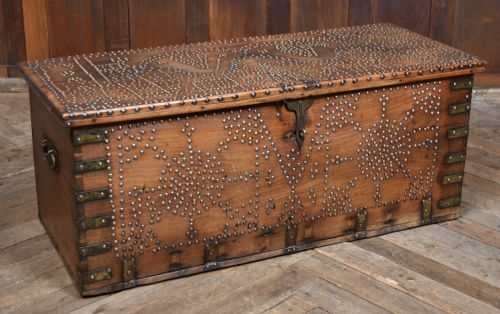
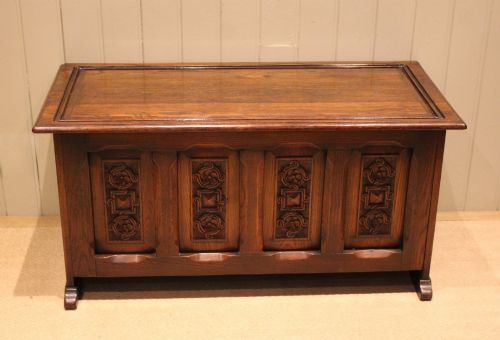
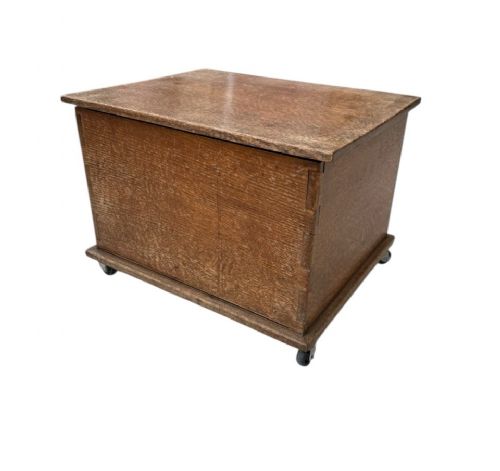
When you search for a solid wood blanket chest, you encounter a robust variety of storage furniture spanning several centuries. The selection ranges from early oak coffers to 19th-century campaign trunks and colonial chests.
You are most likely to meet oak examples from the 18th century or camphorwood trunks from the Victorian period on this page. These pieces serve as practical storage and grounding furniture in modern hallways and bedrooms.
How they were made
These chests rely primarily on heavy timbers such as oak, camphorwood, padouk, and cherrywood, joined to withstand heavy daily use. Cabinetmakers shaped the solid wood using traditional carpentry methods appropriate to each era.
Metal hardware, including brass corners, iron hinges, and drop handles, provided essential reinforcement for travel and daily handling. This combination of dense timber and robust metalwork ensured exceptional structural longevity.
Solid Wood Blanket Chest Retail Price Guide 2026
Typical asking prices for solid wood blanket chest among the pieces listed under this phrase on Sellingantiques today, from the lower quarter to the upper quarter. They describe what is for sale here now, not the wider market.
Materials range from native European oak, cherrywood, and satinwood to exotic imported camphorwood and padouk.
What varies in quality
Quality in these chests rests upon the selection of timber and the integrity of the original construction. Pieces featuring richly figured grain, such as camphorwood or satinwood, command attention for their visual depth.
The sophistication of the joinery and the originality of the brass or iron mounts separate standard utility boxes from finer domestic furniture. Untouched surfaces and well-preserved structural framing distinguish the most desirable examples.
The Solid Wood Blanket Chest Glossary
- Campaign trunk
- A portable chest designed for military officers on the move, typically fitted with recessed brass handles and corner brackets.
- Mule chest
- A storage chest featuring one or more drawers beneath the main compartment. This form emerged in the 17th and 18th centuries.
- Padouk
- A dense tropical hardwood known for its deep reddish hue and durability. It frequently appears in colonial and campaign furniture.
- Camphorwood
- An aromatic timber prized for its insect-repellent properties and distinctive grain. It was widely utilised in maritime and colonial trunks.
Solid Wood Blanket Chest: Frequently Asked Questions
What were blanket chests originally used for?
Blanket chests served as secure storage for household textiles, woollens, and valuable garments before built-in closets became common. They kept contents protected from dampness and pests.
In many households, these chests also doubled as seating benches or tables when space was at a premium.
How do I identify an 18th century oak chest?
An 18th century oak chest typically displays pegged mortise and tenon joints, hand-carved panels, and heavy hand-forged iron hinges. The timber shows deep oxidation and natural shrinkage over centuries.
Secondary woods and backboards will also show hand-tool marks consistent with pre-industrial woodworking techniques.
Are camphorwood trunks good for modern storage?
Camphorwood trunks remain excellent for modern storage because the natural wood oil repels moths and keeps stored textiles smelling fresh. Their sturdy construction easily supports daily use in bedrooms or living areas.
The distinctive aromatic scent also conditions the interior environment naturally.
Where should I place a heavy wooden coffer?
Heavy wooden coffers anchor large hallways, sit well at the foot of a bed, or function as coffee tables in spacious living rooms. Their solid presence requires adequate floor space to let the form breathe.
Keep them away from direct heat sources to prevent the solid timber from drying out or splitting.