


Solid Silver Sugar Spoon
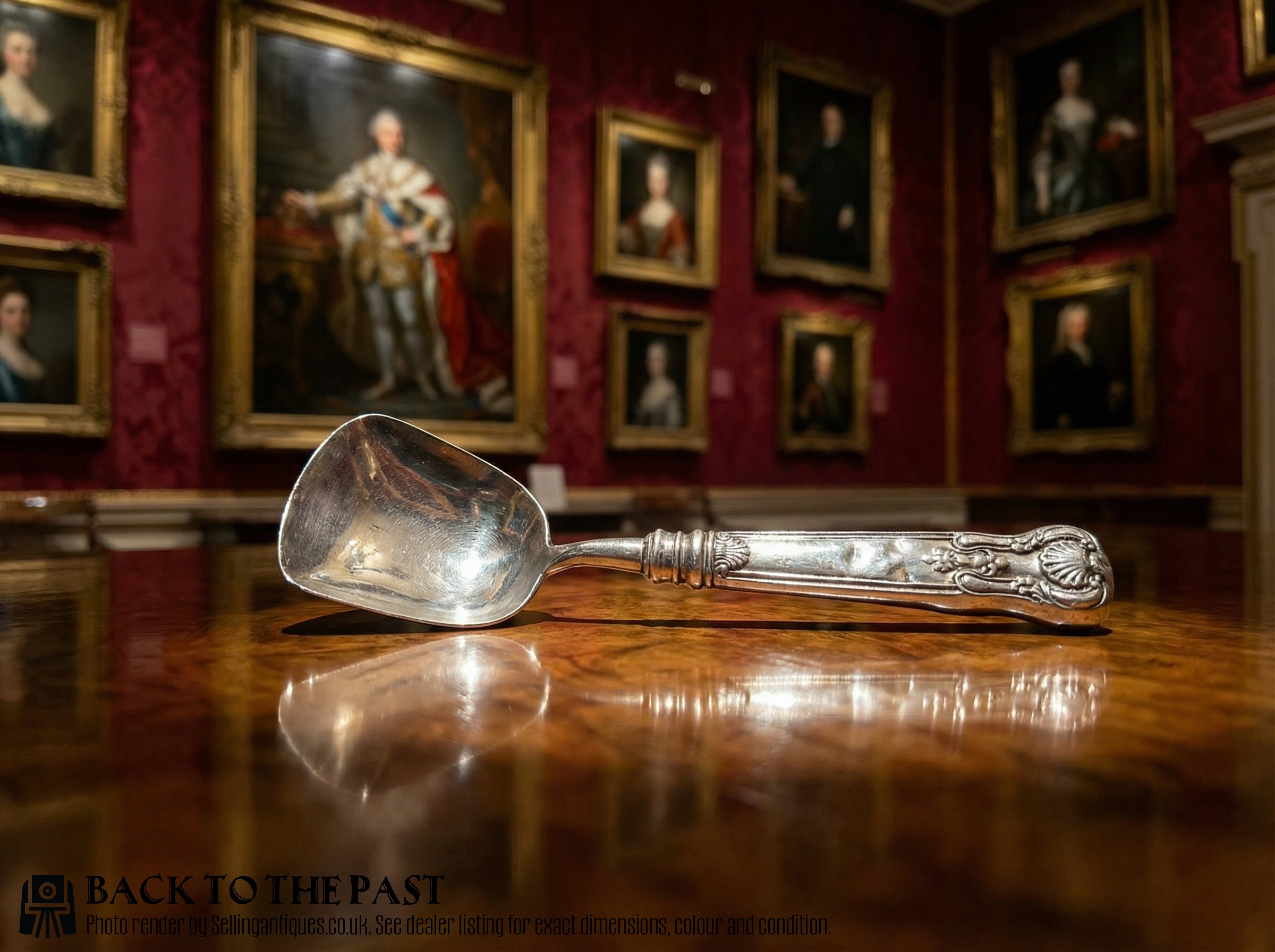
A solid silver sugar spoon brings tactile weight and bright reflection to the tea table.
Solid Silver Sugar Spoon
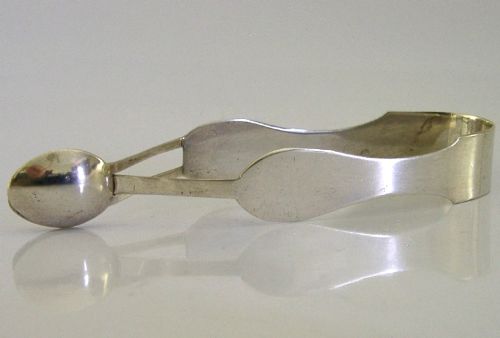
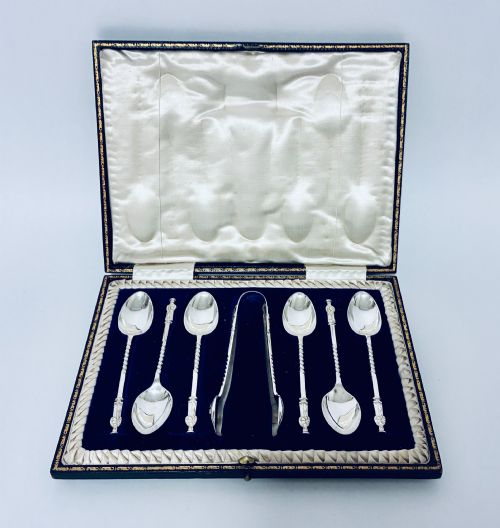
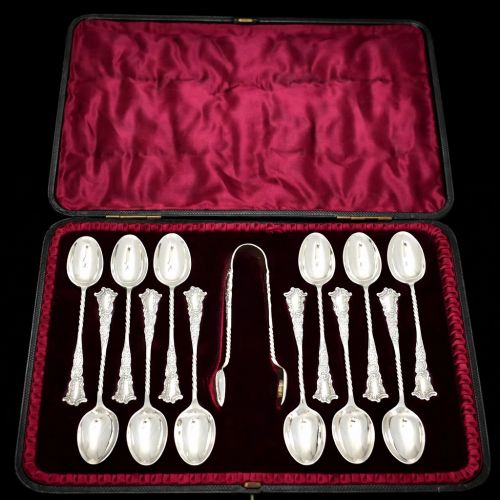
A solid silver sugar spoon serves the ritual of sweetening tea or sifting loose sugar across pastries and fruit. You will find these pieces appearing frequently in Victorian and Georgian designs, often paired alongside tongs or cased in fitted velvet boxes.
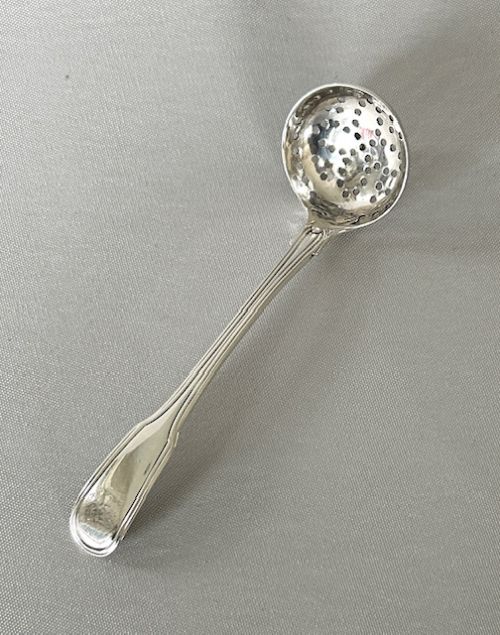
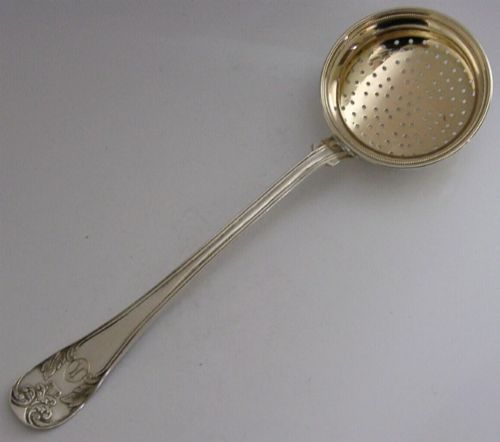
The form ranges from small bowls with pierced sifter plates to Apostle spoons with figural terminals and larger ladle profiles. Many examples emerge from English assay offices, alongside continental European origins from France, Russia, Sweden, and Norway.
Makers utilised these forms to showcase intricate piercing, grape vine motifs, and Rococo shell styling. Whether part of a larger cutlery set or standing alone as a sifter, each piece reflects the domestic dining habits of the nineteenth and early twentieth centuries.
Distinguishing quality
The distinction between standard utility items and exceptional silversmithing lies in the crispness of the piercing and the weight of the metal. Heavier gauge silver provides a reassuring balance in the hand and prevents bending during use.
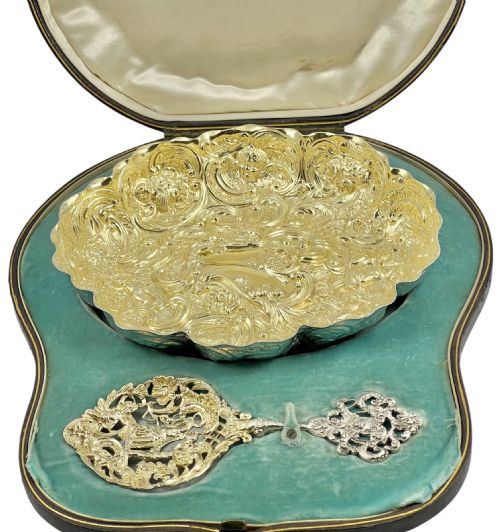
Superior examples display deeply chased ornamentation, such as realistic grape vine reliefs or detailed figural terminals, rather than shallow stamping. The integrity of the original fitted case and the legibility of the hallmarks further elevate a piece's standing.
One exceptional antique sugar bowl takes the literal form of a Rococo giant clam.
Robert Stebbings·Francis Higgins·Taylor and Perry·A B Savory and Sons·Chawner and Co·Martin Hall and Co·Aldwinckle and Slater
The Solid Silver Sugar Spoon Glossary
- Sterling silver
- An alloy consisting of pure silver and other metals to ensure structural durability. This standard is verified by official hallmarks stamped onto the metal.
- Silver gilt
- Silver that has been coated with a thin layer of gold on its surface. This technique protects the underlying metal and offers a contrasting golden interior to the bowl.
- Sifter spoon
- A utensil featuring a pierced bowl designed to sprinkle powdered sugar evenly over food. The perforations form geometric or floral patterns.
- Apostle spoon
- A spoon featuring the figure of an apostle or saint cast at the terminal of the handle. These historic designs were frequently revived during the Victorian era.
- Hallmark
- A series of official marks stamped onto precious metals indicating the maker, standard of purity, assay office, and year of testing. These marks provide the definitive history of the object.
Solid Silver Sugar Spoon: Frequently Asked Questions
What is a solid silver sugar spoon used for?
These spoons were traditionally used to dispense loose loaf sugar or sprinkle castor sugar over desserts and beverages. Sifter variants include pierced bowls specifically designed to filter powdered sugar.
Over time, their roles expanded within formal dining sets, often accompanying cased sugar bowls, tea services, and matching sugar tongs.
How do I date an antique silver spoon?
Dating relies heavily on the official hallmarks stamped into the metal, which include specific letters corresponding to the year of assay. Stylistic clues, such as Georgian plainness versus Victorian Rococo ornamentation, also point to the era of production.
Matching the maker's mark against historical records confirms the active workshop years and narrows the timeline of creation.
Were these spoons sold in sets?
Many spoons appear alongside matching sugar tongs, tea spoons, or within larger cutlery sets housed in fitted presentation boxes. Retailers packaged these combinations for gifting or formal household use.
Single sifter spoons were also common, designed to sit independently beside sugar bowls on the dining table.
How should I care for antique silver?
Regular, gentle dusting with a soft microfibre cloth preserves the natural patina built up over centuries. When cleaning becomes necessary, use a specialised silver polish designed for antiques, applying it sparingly without scrubbing crisp hallmarks.
Store pieces away from high humidity, ideally inside lined boxes or anti-tarnish cloth bags to prevent rapid oxidation.