


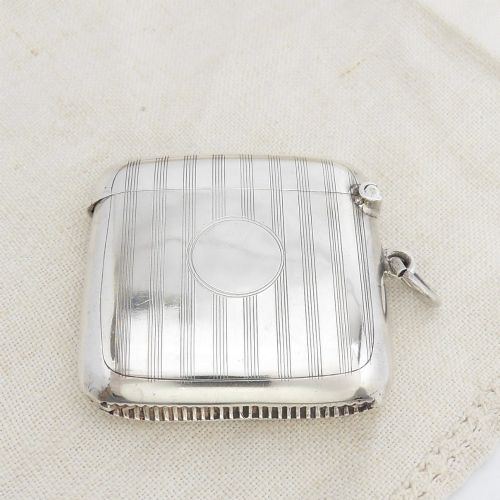


Solid Silver Pocket Vesta
A solid silver pocket vesta is a small, hinged container for matches that fits the waistcoat and carries the marks of Victorian, Edwardian, and Georgian metalworking.
Solid Silver Pocket Vesta
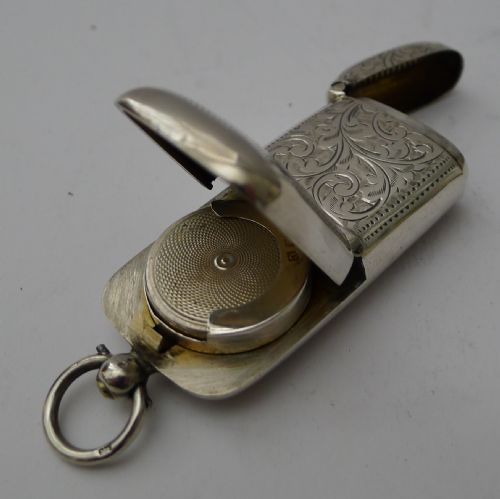
When you search for a solid silver pocket vesta, you encounter personal match safes and snuff boxes made in sterling silver. These portable containers reflect the smoking and snuff-taking habits of the nineteenth and early twentieth centuries.
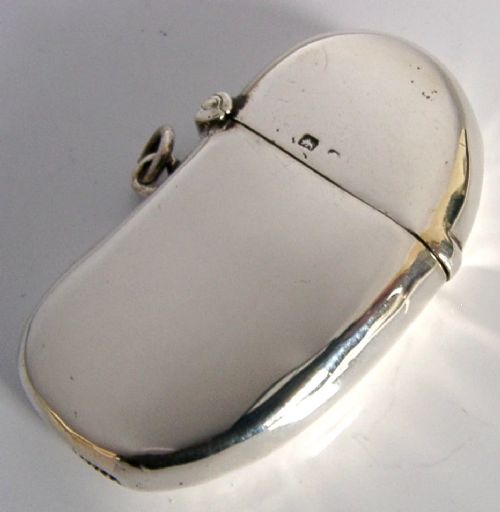
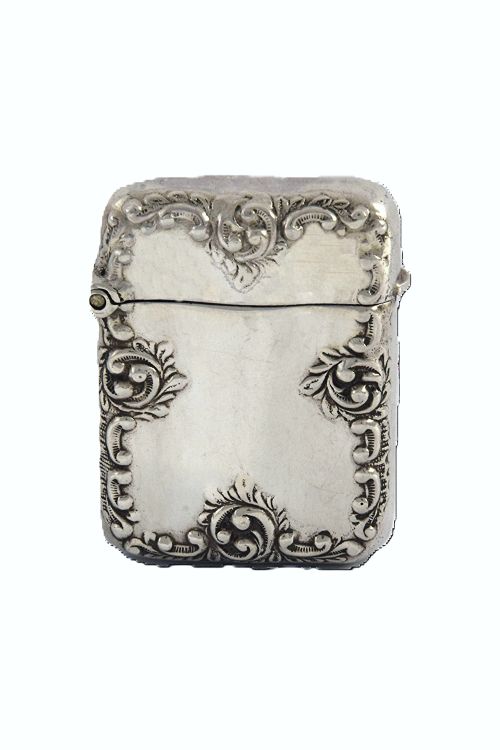
The versions you meet most frequently on this page date from the Victorian and Edwardian eras, alongside George V and Georgian examples. Forms range from standard rectangular shapes to kidney bean contours, novelty animal motifs, and combined sovereign cases.
Originating largely from Birmingham and London workshops, these pieces combine practical pocket utility with decorative engraving, coin edges, and flip-top lids. They span periods from George III through to the Art Deco years of the early twentieth century.
How they were made
Silversmiths utilised sterling silver and cast silver to form the bodies, lids, and internal compartments of each vesta and snuff box. Heavier items relied on cast silver techniques, while standard cases employed sheet silver folded and soldered to shape.
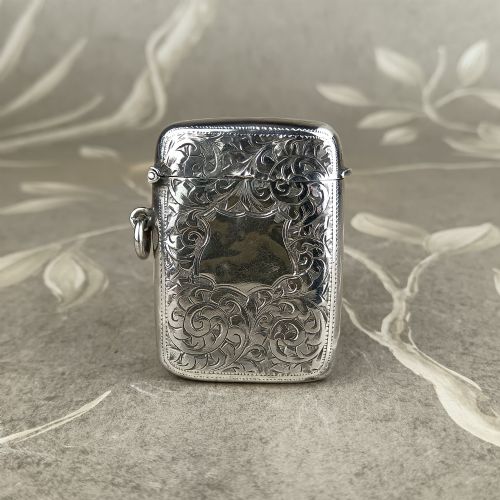
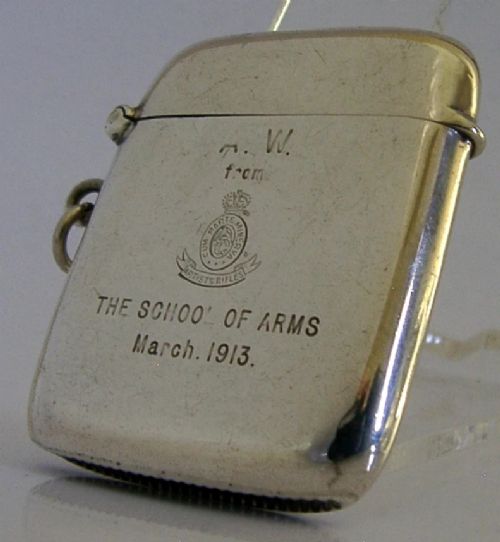
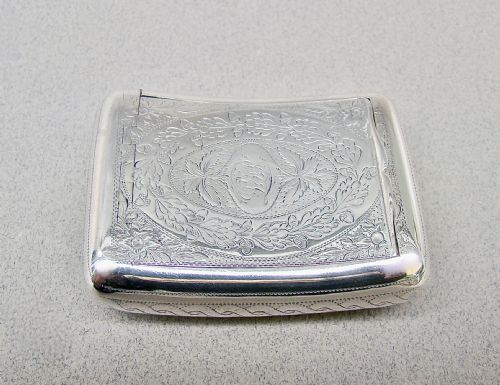
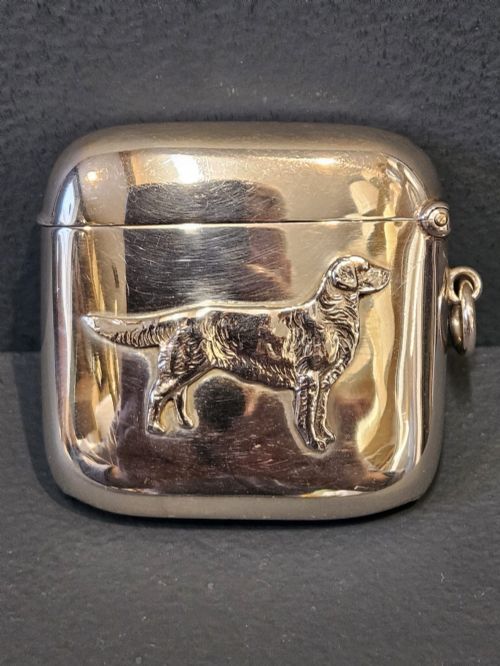
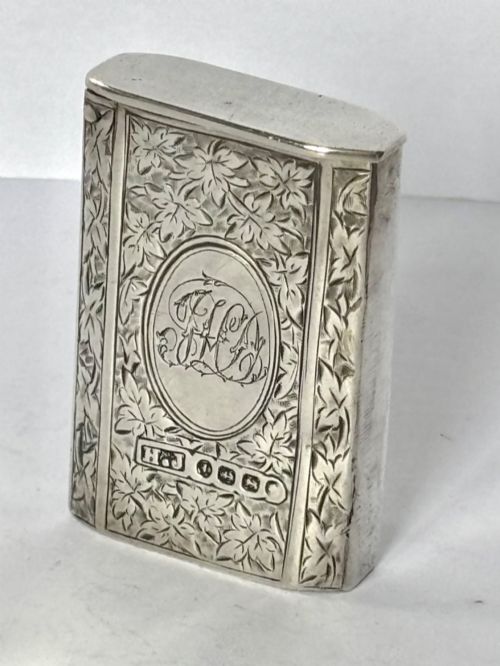
Decoration was applied through hand engraving, leaf and scroll motifs, and applied novelty elements such as retriever or boar figures. Hallmarks were stamped directly into the metal to record the town, year, and sterling standard.
Solid Silver Pocket Vesta Retail Price Guide 2026
Typical asking prices for solid silver pocket vesta among the pieces listed under this phrase on Sellingantiques today, from the lower quarter to the upper quarter. They describe what is for sale here now, not the wider market.
Some Victorian owners tucked away tiny metal boars and sporting dogs in their pockets, proving that match safes could double as miniature menageries.
What varies in quality
The distinction between standard production and finer work rests on the crispness of the hand engraving and the precision of the hinge mechanism. Superior pieces exhibit deeply cut leaf and scroll designs that remain sharp across the surface.
Specialised forms, such as novelty animal shapes or combined sovereign cases, demand greater skill from the silversmith. Maker attributions, such as pieces by Joseph Willmore or Matthew Linwood, elevate the standing of a box above anonymous workshop production.
Joseph Willmore·Howard James·Matthew Linwood
The Solid Silver Pocket Vesta Glossary
- Hallmark
- An official stamp struck into precious metal to indicate the silver standard, assay office, and year of manufacture. These marks provide the primary evidence for dating an antique.
- Sovereign case
- A small circular pocket holder made to fit gold sovereign coins, often combined with a vesta compartment for matches. These dual-purpose items were carried by gentlemen during the Edwardian period.
- Snuff box
- A small hinged box utilised for holding dry powdered tobacco. Examples date back to the Georgian period and display refined silversmithing techniques.
- Sterling silver
- The standard alloy of silver containing a fixed proportion of pure metal by weight. British pieces bear the lion passant mark to denote this composition.
Solid Silver Pocket Vesta: Frequently Asked Questions
How do I use a pocket vesta?
A pocket vesta holds matches safely in a waistcoat or jacket pocket while keeping the heads dry until needed.
The hinged lid pops open via a spring release, and matches are struck against the serrated base integrated into the bottom of the case.
What is the difference between a vesta and a snuff box?
A vesta case is specifically built to hold matches and includes a striking surface for ignition. They date predominantly from the Victorian and Edwardian periods.
Snuff boxes pre-date most vestas, originating in the Georgian era, and were built to hold loose tobacco powder rather than matches.
How do I date a silver vesta?
Dating relies upon the assay office hallmarks stamped into the sterling silver surface. Each year letter corresponds to a specific cycle recorded by British assay offices.
Style also offers clues, shifting from plain Georgian boxes to ornate Victorian scrollwork and later Art Deco geometric forms.
How should I clean silver match safes?
Silver match safes require gentle cleaning with a soft cloth to preserve the fine hand engraving and hallmarks. Avoid harsh dips that strip the natural dark oxidation from recessed areas.
Store them dry in a stable environment to prevent tarnishing on the sterling surface.