





Solid Silver Ornament
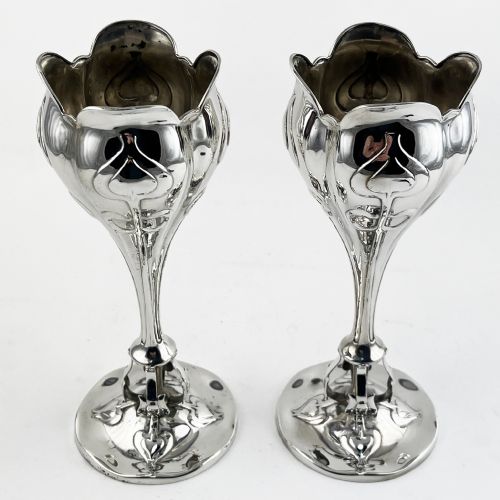
Solid silver ornament pieces bring character to a room through finely worked figures, animals, and models made across the Victorian, Edwardian, and mid-century periods.
Solid Silver Ornament
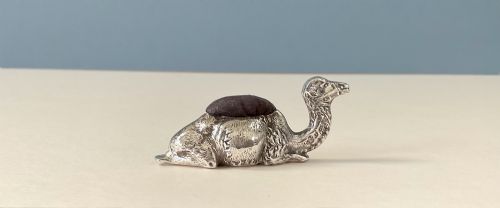
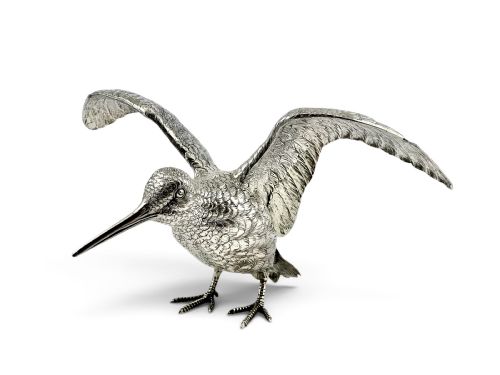
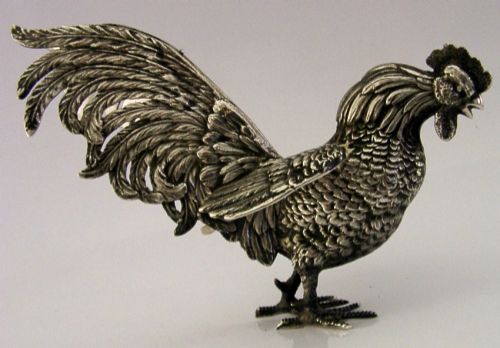
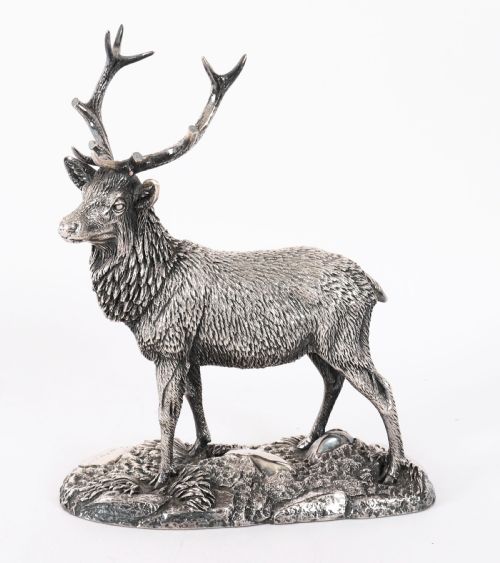
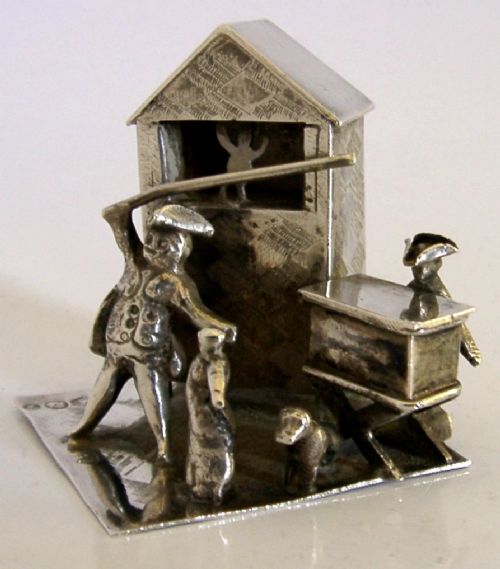
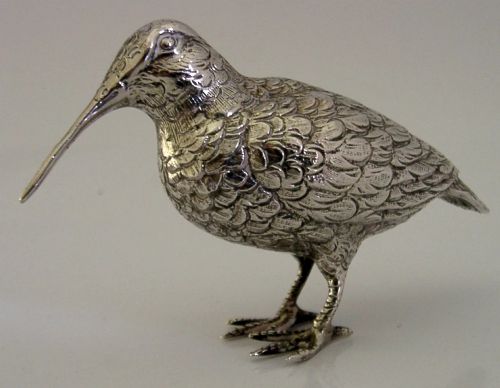
You are most likely to meet animal figures on this page, ranging from birds such as woodcocks, cockerels, and pheasants to larger beasts like stags, foxes, and horses. Novelty items such as miniature Punch and Judy shows, Viking ships, sedan chairs, and vehicles also appear frequently among the listings.
The origins span British workshops alongside Continental European centres, notably Germany, the Netherlands, Norway, and Italy. Periods stretch from late Victorian examples through Edwardian designs into the mid-century modern era.
Methods and materials
Makers utilised sterling silver, 833 silver, and 830 silver, occasionally incorporating wood, glass, fabric, or gold gilt to add contrast and texture to the primary metal. Many animal figures and complex models employ casting techniques to achieve realistic feather, fur, and structural detail.
Miniatures and novelty pieces often combine cast components with hand-chased surface work to define facial expressions, plumage, and decorative motifs. Enamel highlights and mounted wooden plinths or inkstand bases provide structural support and visual depth.
Solid Silver Ornament Retail Price Guide 2026
Typical asking prices for solid silver ornament among the pieces listed under this phrase on Sellingantiques today, from the lower quarter to the upper quarter. They describe what is for sale here now, not the wider market.
Animal models on this page include woodcocks, stags, foxes, cockerels, tortoises, and a Rolls Royce.
Quality variations
The degree of anatomical accuracy and crispness in the chasing separates exceptional models from simpler productions. Master modellers capture the tension in a fighting cockerel or the texture of a bird's wing with precision.
The weight and substance of the metal relative to the scale of the object indicate the tier of manufacture. Heavier castings with fully articulated parts and clear hallmarks demonstrate superior craftsmanship compared to hollow, lighter pressings.
Tom Mackie·Edward and John Barnard·Boaz Moses·Mario Bucellati
The Solid Silver Ornament Glossary
- Animalier
- A style dedicated to the realistic portrayal of animals, particularly prevalent in sculptures and decorative figures from the nineteenth and twentieth centuries.
- Sterling silver
- A standard alloy consisting of silver and other metals, typically copper, maintaining a purity proportion of ninety-two point five percent.
- Silver gilt
- Silver objects coated with a thin layer of gold on the surface, creating a two-tone decorative effect seen on specific statues and ornamental pieces.
- Hallmark
- Official stamps applied to precious metal items indicating the standard of purity, the assay office, and the year of manufacture.
- Chasing
- A metalworking technique where the artisan punches the front of the metal to sink it and create low-relief surface designs without removing material.
Solid Silver Ornament: Frequently Asked Questions
What is a solid silver ornament used for?
These pieces served as desk accessories, paperweights, pen wipes, inkstands, or decorative cabinet displays in period interiors.
Today, collectors place them on bookshelves, desks, and side tables as focal points of interest.
How do I identify an Edwardian silver ornament?
Edwardian examples typically align with the reign of King Edward VII, featuring distinct stylistic traits from the early twentieth century.
Checking the hallmarks for date letters corresponding to this decade provides confirmation of the period.
What does animalier mean for silver figures?
Animalier describes sculptures and models focused entirely on realistic animal forms in natural poses.
This style highlights the maker's observation of anatomy, muscle structure, and texture.
Are foreign silver ornaments marked differently?
Continental pieces often bear purity numbers such as 833 or 830 rather than British sterling marks like the lion passant.
Imports and foreign workshops relied on local standard marks that reflect the regulations of countries like Germany, the Netherlands, and Norway.