

Solid Silver Centrepiece
When you search for a solid silver centrepiece, you are looking for a striking table focal point shaped by Victorian, Edwardian, and mid-century silversmiths.
Solid Silver Centrepiece
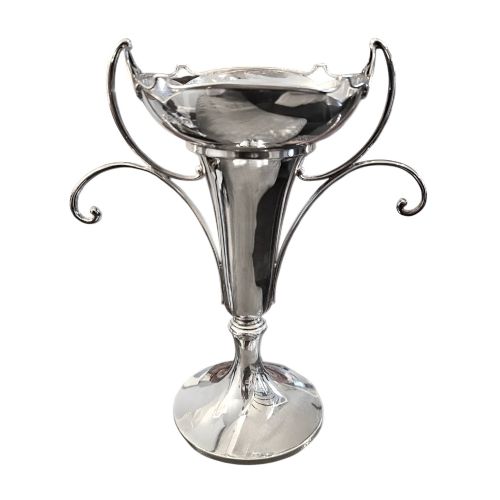
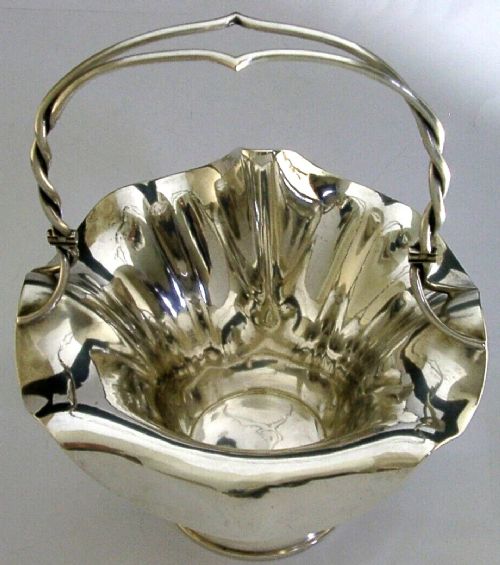
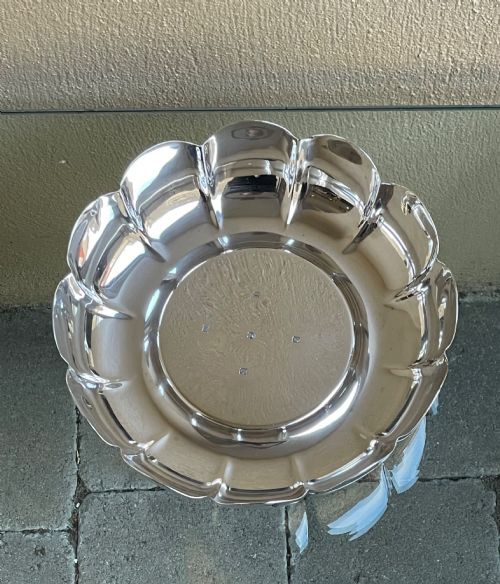
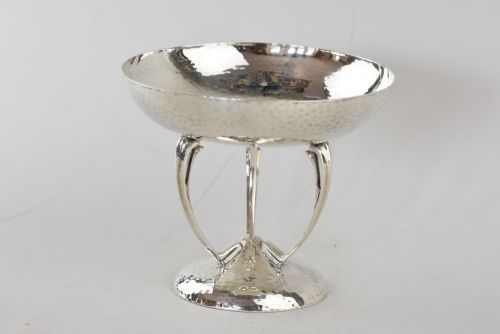
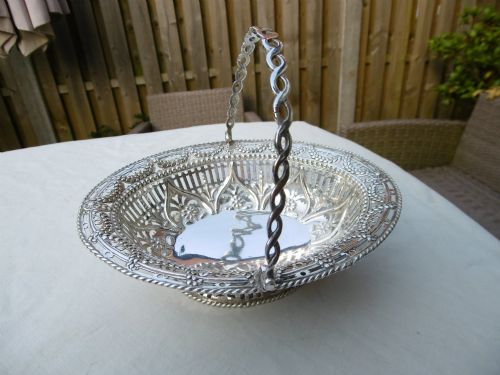
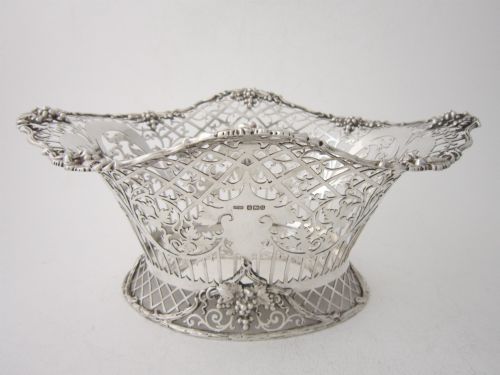
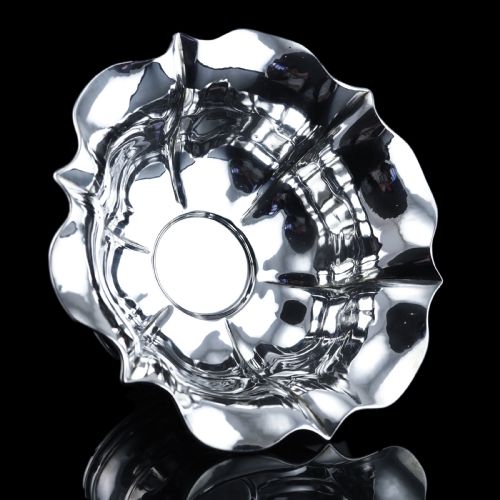
A solid silver centrepiece commands the middle of a dining table, taking the form of large bowls, pierced baskets, tazzas, and multi-branched candelabras. These objects served as ornamental displays or functional vessels for fruit, flowers, and sweets during formal dining across the nineteenth and twentieth centuries.
You will frequently encounter Edwardian and Victorian examples on this page, alongside Georgian pieces and twentieth-century interpretations. Forms range from heavy pedestal dishes and handled fruit bowls to elaborate figural compositions and low lattice baskets.
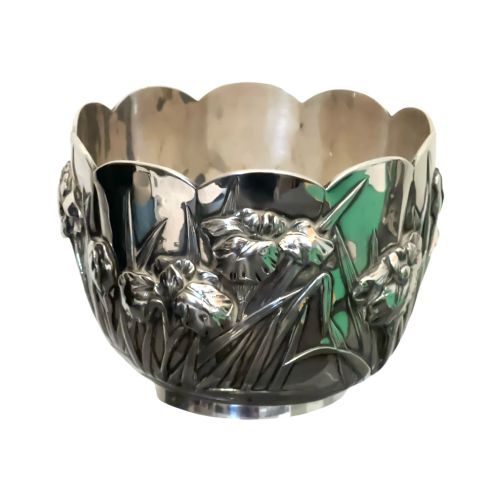
Origin and stylistic influence vary widely among these items, encompassing domestic British workshops in London and Sheffield alongside Continental makers, American studios, and intricate Anglo-Indian, Thai, and Japanese silverwork.
Materials and construction methods
The objects are principally formed from sterling silver, solid silver, and silver-gilt, occasionally incorporating contrasting elements such as green glass liners. Silversmiths employed techniques including hammering, planishing, and wirework to shape the metal bodies.
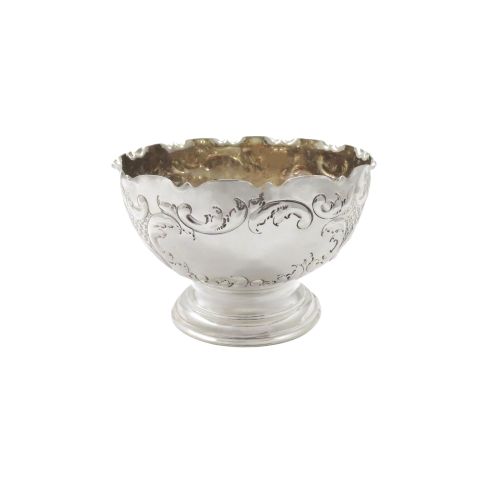
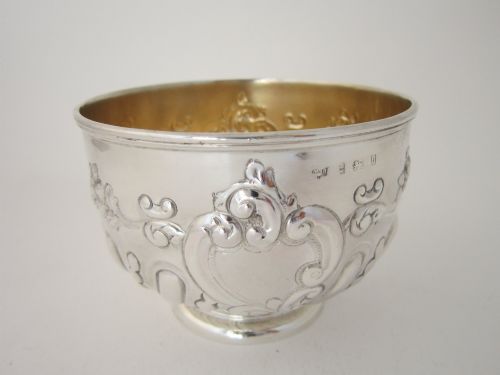
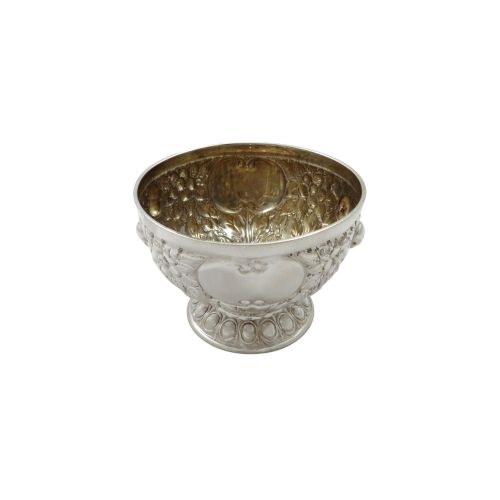
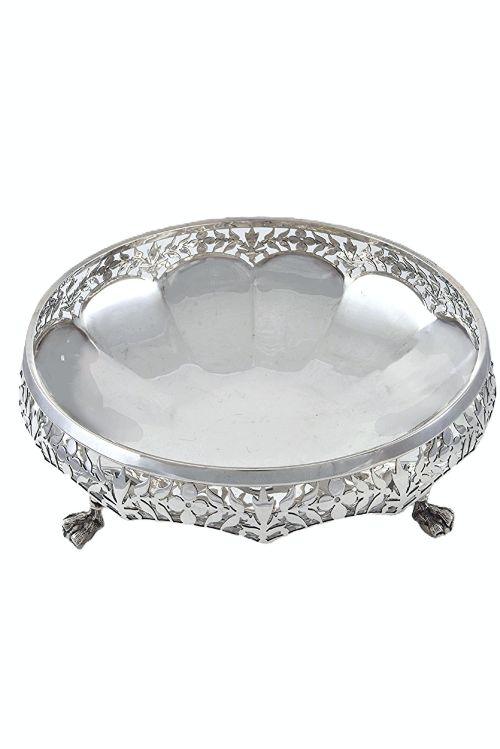
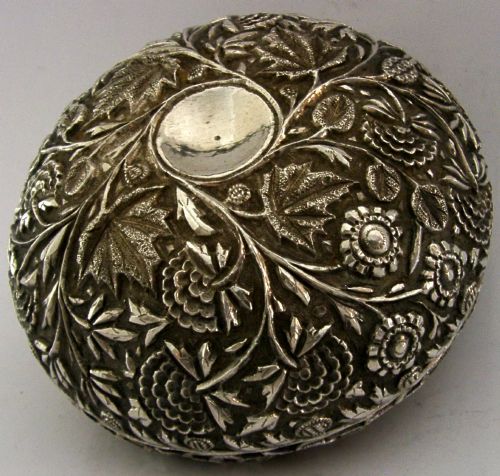
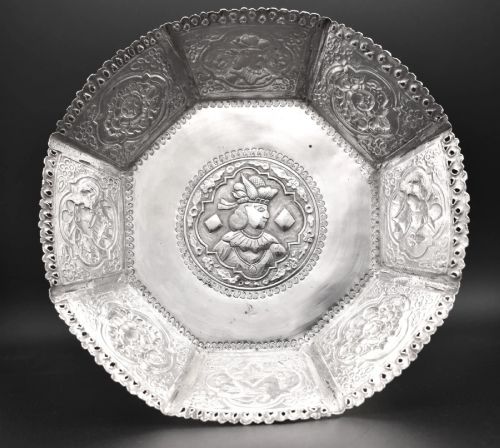
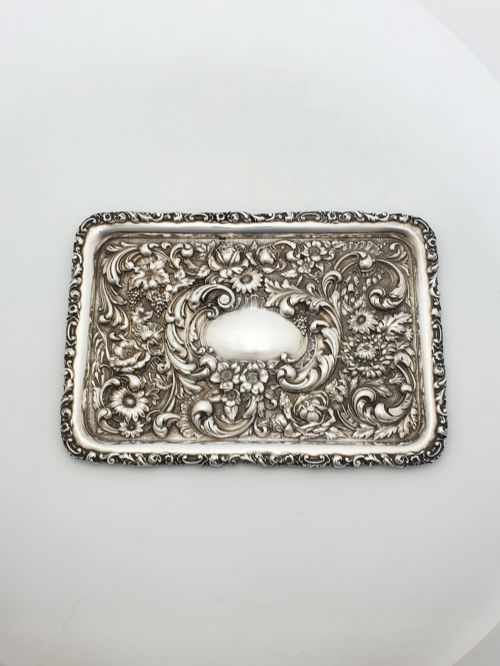
Ornamentation relied heavily on repoussé and hand-chased detailing, creating high-relief floral motifs, rococo scrolls, and figurative friezes. Piercing and fretwork were also utilised to achieve delicate lattice designs on baskets and fruit dishes.
Solid Silver Centrepiece Retail Price Guide 2026
Typical asking prices for solid silver centrepiece among the pieces listed under this phrase on Sellingantiques today, from the lower quarter to the upper quarter. They describe what is for sale here now, not the wider market.
Listings span the Victorian, Edwardian, and mid-century periods, utilising sterling silver, silver-gilt, glass inserts, and base metal plating.
Distinctions in craftsmanship and design
Quality rests upon the weight of the metal and the depth of the silversmith's hand-chased execution. Substantial gauge silver and crisp, high-relief repoussé separate ambitious presentation pieces from simpler production items.
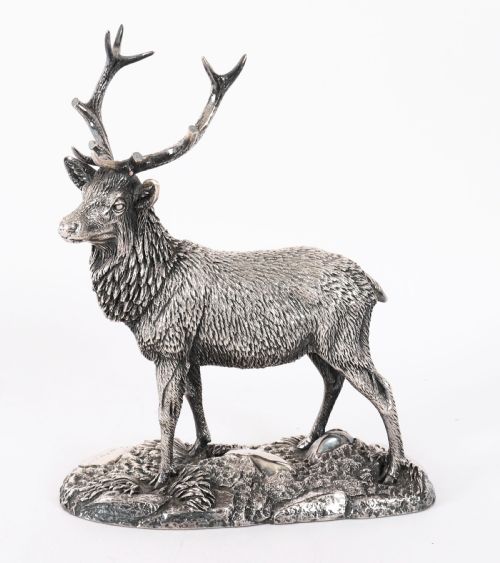
The distinction also lies in the ambition of the form, moving from standard pierced bowls to complex figural sculptures, multi-branch candelabras, and fully articulated epergnes produced by notable makers.
Goldsmiths and Silversmiths Company·Joseph Rodgers·William Comyns·Walker and Hall·Elkington·Horace Woodward and Co Ltd
The Solid Silver Centrepiece Glossary
- Repoussé
- A metalworking technique where the silversmith hammers the design from the reverse side to form a raised pattern on the front. This process creates high-relief floral and figural scenes.
- Tazza
- An ornate shallow bowl or cup mounted on a foot and a pedestal stem. These pieces were traditionally used to serve fruit or confections at the centre of a table.
- Epergne
- A large table centrepiece featuring a central bowl with multiple subsidiary arms, baskets, or dishes branching outwards. They were designed for elaborate dining displays.
- Planishing
- A hammering technique used to smooth and finish metal surfaces while leaving subtle, rhythmic facets. This process hardens the silver and catches the light.
- Silver-gilt
- Sterling silver that has been coated with a thin layer of gold on its surface. This treatment produces a rich yellow-gold finish while retaining a solid silver structure.
Solid Silver Centrepiece: Frequently Asked Questions
What is a centrepiece used for?
These large silver vessels were placed in the middle of dining tables to anchor the tablescape during formal meals. They held fruit, flowers, or sweetmeats, serving as both decorative displays and functional serving pieces.
Over time, their role shifted toward pure ornamentation, showcased on sideboards or dining tables as focal points of fine metalwork.
How do I identify an Edwardian centrepiece?
Edwardian pieces often display lighter, airier designs influenced by neoclassical revivals and floral motifs, frequently featuring pierced lattice work and swing handles. Assay office marks and date letters stamped on the silver will confirm the exact year of manufacture.
Examining the maker's mark alongside the city hallmark helps place the object precisely within the Edwardian period.
What is the difference between a bowl and an epergne?
A bowl is a single vessel designed for holding items like fruit or flowers, standing directly on a base or foot. An epergne is a much more complex centrepiece featuring a central receptacle with multiple attached arms and hanging baskets.
Epergnes allowed hosts to display various foods or floral arrangements simultaneously from one multi-tiered structure.
How should I clean solid silver?
Solid silver requires gentle cleaning with a specialist silver cloth or a mild, non-abrasive polish to remove tarnish without wearing down the chasing or repoussé work. Avoid harsh chemical dips, which can strip away the original patina and damage softer details.
Regular, careful dusting and minimal polishing preserve the crispness of the maker's hand-chased designs and hallmarks.