
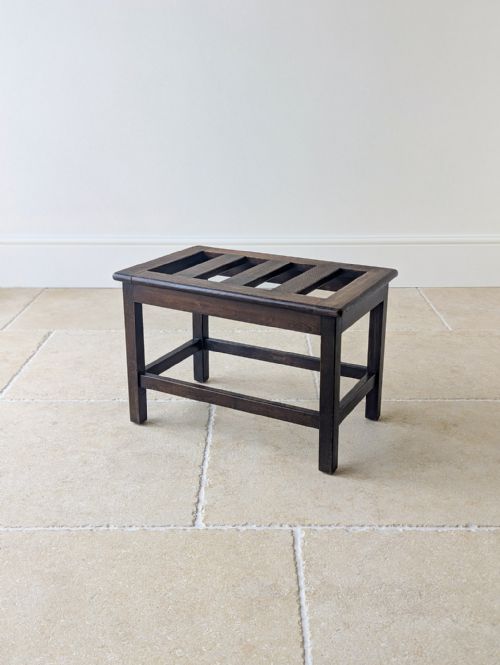
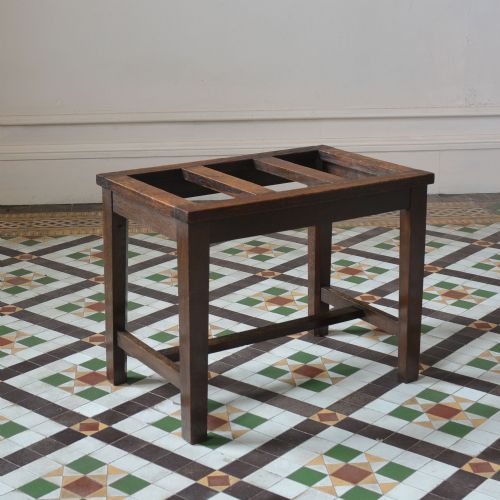




Solid Oak Wooden Bench
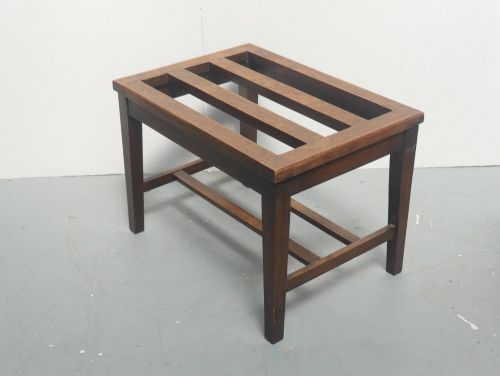
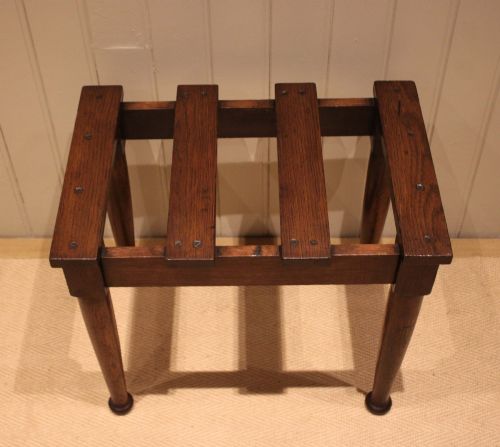
A solid oak wooden bench brings substantial timber and honest domestic utility straight into a hallway, kitchen or dining space.
Solid Oak Wooden Bench
When searching for a solid oak wooden bench, buyers encounter a utilitarian form rooted in centuries of domestic and institutional use. The selections span vernacular country seating and architectural pieces designed for specific interior settings.
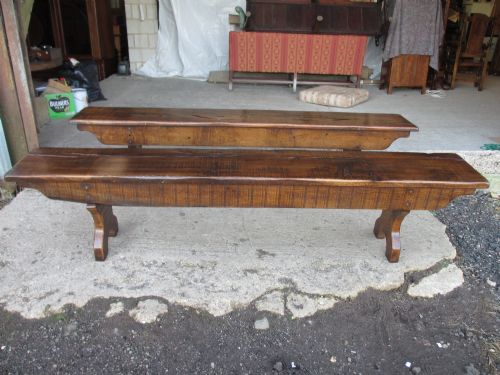
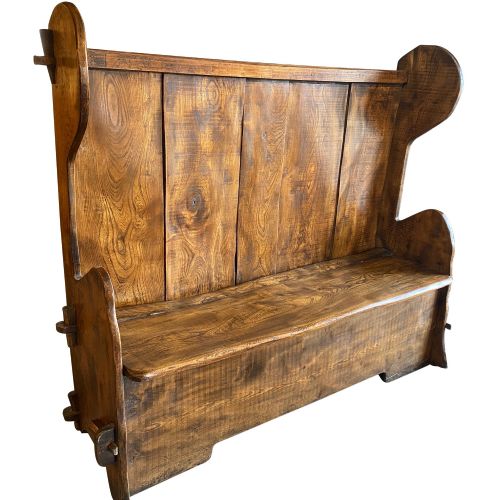
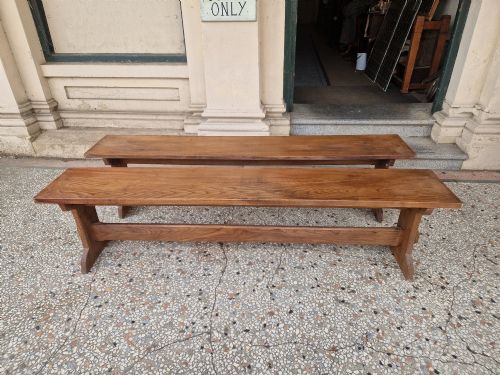
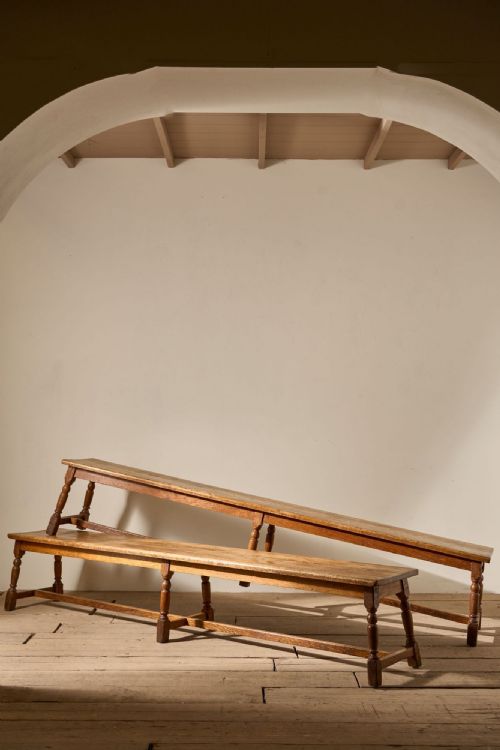
The pieces appearing most frequently range from Edwardian heavy trestle forms and pairs of dining benches to earlier Georgian and 18th century settles. Makers utilised sturdy native timbers to construct seating meant to withstand daily household traffic.
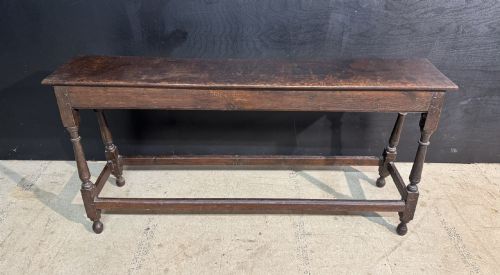
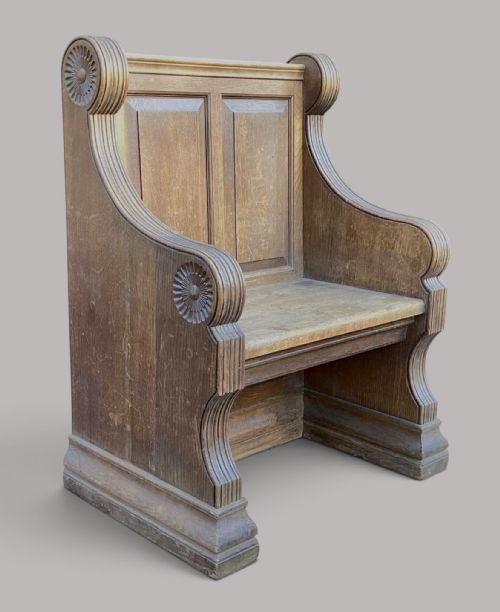
Beyond standard benches, the inventory encompasses related forms such as hall seats, box settles with storage, and long tavern refectory seating. Each variant offers a direct connection to traditional woodworking methods and robust domestic furnishings.
How they were made
Makers constructed these pieces predominantly from solid oak, frequently paired with secondary native timbers such as elm or sycamore for panels and structural supports. Carpenters relied on traditional jointing techniques, pegging heavy boards together to create rigid frames without relying on metal fixings.
Surface finishing remained straightforward, relying on natural wax or oil to nourish the grain of the wood over generations of use. Structural ironwork or brass hardware appears on specific utilitarian examples, securing hinges, cleats, and architectural elements.
Some settles hid spare firewood and wet boots away inside their seats while keeping weary travellers warm by the hearth.
What varies in quality
The standard of a solid oak wooden bench depends upon the integrity of its timber selection and the retention of its original surface patination. Pieces retaining their initial thickness in boards and seat tops demonstrate superior preservation against centuries of wear.
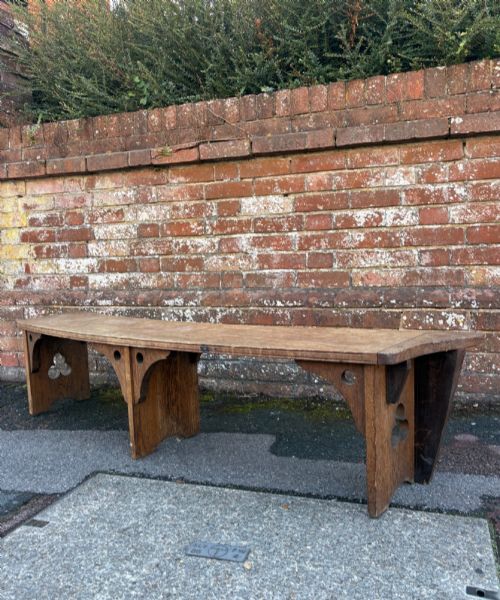
Proportion and architectural detailing distinguish vernacular utility from more considered craftsmanship, such as trefoil carved supports or shaped trestle ends. Authenticity of construction, including period jointing methods, separates enduring examples from later adaptations.
Waring and Gillow
The Solid Oak Wooden Bench Glossary
- Settle
- A wooden bench featuring a high back to block draughts, often incorporating a box base with lift-up storage beneath the seat. These pieces frequently stood near hearths in traditional domestic interiors.
- Refectory
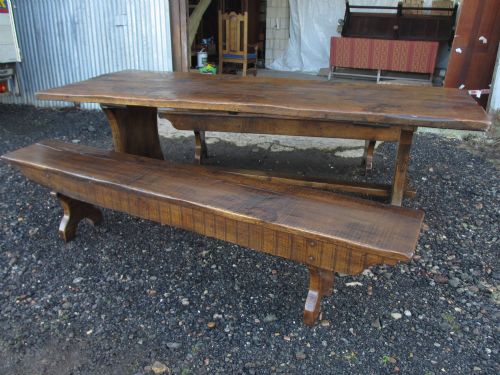
- A long, narrow table format historically used in communal dining halls, typically accompanied by matching long benches or trestle forms. The design prioritises unobstructed legroom along the entire length of the timber top.
- Trestle
- A structural support consisting of a horizontal beam fixed to two splayed vertical feet, providing stable load-bearing capacity for long benches and tables. This method allows heavy seating to remain rigid without bulky corner legs.
- Joint Stool
- A low, sturdy wooden seat constructed with mortise and tenon joints pegged together, predating the widespread use of glued upholstery chairs. These items served multi-purpose utility roles within early households.
- Patination
- The surface sheen and colour developed by wood over prolonged periods through handling, light exposure, and polishing. It serves as an indicator of age and continuous use.
Solid Oak Wooden Bench: Frequently Asked Questions
Where should I place a solid oak wooden bench?
These pieces suit narrow hallways, long farmhouse dining tables, or large kitchens where substantial seating is required.
Keep them away from direct heat sources and radiators to prevent the solid timber from drying out and splitting over time.
How do I care for solid oak furniture?
Maintain the finish by applying natural beeswax periodically and buffing the surface with a soft, dry cloth.
Avoid using silicone-based polishes or placing wet items directly onto the bare wood to preserve the natural grain and patination.
How can I tell the period of a bench?
Examine the construction methods, tool marks on the underside, and the way joints are pegged together.
Earlier examples from the 18th century often display hand-sawn board widths and pegged mortise and tenon joinery distinct from later factory output.
What is the difference between a settle and a bench?
A bench provides open seating on a flat top supported by legs or trestle ends without vertical back protection.
A settle incorporates a solid timber back and arms designed to shield occupants from draughts in older homes.